Yellow Limestone Supplier in India: A Practical Guide to Quality, Pricing & Trusted Sources
There’s a certain moment every builder, architect, or homeowner experiences.
You run your hand across a stone sample — cool, textured, slightly grainy — and something inside you pauses. It feels natural. Solid. Familiar in a way only old materials do. That’s the charm of yellow limestone. It isn’t loud. It doesn’t try to show off. It’s just… timeless.
India has been supplying this stone to the world for decades, yet most people still don’t know what matters when choosing a yellow limestone supplier in India. The ads are shiny, the photos are edited, and most websites look like they were written by someone who has never held a stone slab in their life.
So let’s do this properly.
A real guide. From the ground up.
A guide written the way a seasoned industry professional would speak after 10+ years in the trade — a little blunt, a little warm, but always honest.
What Makes Indian Yellow Limestone Special?
To understand the supplier, you first understand the stone.
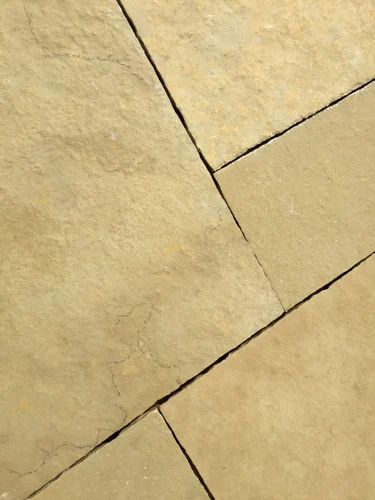
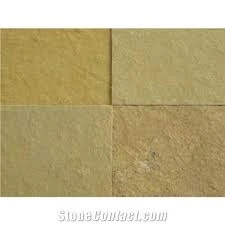
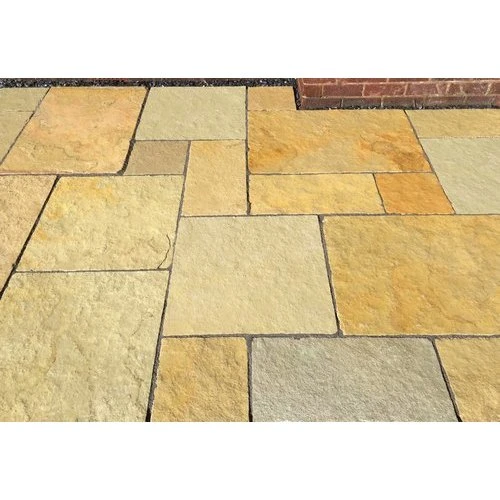
Yellow limestone, especially the variants quarried from Rajasthan, has a personality of its own. It’s warm in tone — soft gold in some areas, deeper mustard in others. Touch it, and you’ll feel a powdery matte texture. Look closer, and you’ll notice tiny fossil marks, pinholes, and subtle shade waves that make each piece slightly different.
No two blocks are the same. And that’s the beauty.
Its charm lies in five things:
- Natural Earthy Color Tone
- The shade works in almost any architectural theme — modern, rustic, Mediterranean, desert-themed villas, traditional Indian courtyards.
- Excellent Thermal Behavior
- It stays cool even under scorching heat. Architects in Dubai, Abu Dhabi, and Rajasthan swear by it for outdoor flooring.
- Slip-Resistant Surface
- Gritty, authentic, safe. Perfect for patios, pool decks, garden paths, and verandahs.
- Long Life span
- Limestone doesn’t shout for maintenance. A little sealing, occasional cleaning, and it sits beautifully for decades.
- Consistency in Supply
- India has some of the largest limestone belts in the world, which means exporters can provide consistent bulk quantities.
These qualities are exactly why companies around the world keep returning to Indian yellow limestone suppliers instead of shifting to Turkey, Vietnam, or Egypt.
Where Does the Best Yellow Limestone Come From in India?
Let’s clear the confusion — most premium-grade yellow limestone is extracted from:
- Jaisalmer
- Kota region
- Dholpur belt
- Hamirgarh
- Nimbahera
Each quarry belt gives a slightly different variation:
RegionTextureColor ToneCommon UsesJaisalmerFine grainSunny yellowFacades, heritage buildingsKotaMedium grainMustard + subtle grey tonesFlooring, claddingDholpurSmoothLight golden beigeInterior flooringNimbaheraRusticDeep yellowOutdoor pathways
A good supplier will tell you which quarry they source from. A bad supplier will only say “Rajasthan.”
Signs of a Genuine Yellow Limestone Supplier in India
No fancy words here. Just field experience.
1. They Share Actual Quarry Photos
Not Pinterest-like images. Real quarry shots with workers, machinery, dust, and cut blocks visible.
2. They Show You Raw Slab Videos
A trustworthy supplier always shares unedited warehouse videos, not overly filtered catalogue images.
3. Their Thickness Tolerance Is Honest
If a supplier promises “100% accurate 22mm always” — run.
Natural stone doesn’t behave like ceramic tiles. Realistic tolerance is:
- +/- 2 mm for machine-cut slabs
- +/- 3 mm for hand-cut tiles
Anyone who claims absolute perfection either hasn’t worked with stone or is lying.
4. Pricing Isn’t Suspiciously Low
Cheap stone is usually:
- undercut
- unprocessed
- filled with cracks
- from leftover blocks
And trust me, cracked limestone arrives looking nice but breaks during installation.
5. They Know the Difference Between Desert Yellow & Jaisalmer Yellow
Two shades. Two qualities. Two completely different markets.
An experienced supplier won’t treat them as the same product.
Applications: Where Yellow Limestone Truly Shines
1. Outdoor Landscaping
There’s something peaceful about stepping barefoot on cool limestone early in the morning. The stone has a calming temperature; it feels almost like walking on natural clay.
Best uses:
- Driveways
- Courtyards
- Walkways
- Garden seating areas
Its natural anti-slip nature makes it dependable, even during monsoons.
2. Villa Exteriors & Facades
Architects use yellow limestone to create warm, desert-style exteriors. When sunlight hits the stone at 5 PM, the surface glows like burnt gold — it’s stunning.
A good supplier will recommend the right thickness (usually 25–30mm) to prevent cracks.
3. Pool Surroundings
Because it doesn’t heat up easily, it’s one of the best stones for pool areas.
4. Interior Flooring
Polished yellow limestone gives a soft, earthy, Mediterranean feel to living rooms and open spaces.
5. Cladding for Heritage Projects
Many government and restoration projects prefer Indian yellow limestone because it ages gracefully, developing slight patina lines that look beautiful rather than worn out.
How to Choose the Right Yellow Limestone Variant
Every project has different needs. Think of it like choosing paint — the wrong shade feels off.
Here’s a simple breakdown:
If you want…
A warmer, traditional look:
→ Choose Jaisalmer Yellow
A sophisticated modern vibe:
→ Go for Kota Yellow
A softer pastel look for interiors:
→ Pick Dholpur Beige-Yellow
A rugged, earthy outdoor stone:
→ Use Nimbahera Rustic Yellow
Understanding the Pricing (Honest Breakdown)
Price fluctuates based on:
- quarry distance
- thickness
- finish (Honed / Sawn / Brushed / Sandblasted / Tumbled)
- bulk quantity
- export packing standards
But REALISTIC pricing (not fantasy pricing) is:
- Tiles: ₹45 – ₹90 per sq ft
- Cut-to-size slabs: ₹80 – ₹150 per sq ft
- Premium export quality (FOB): $12 – $22 per sqm
- Cubes & cobbles: ₹18 – ₹35 per piece
If someone gives a quote way below this range, they either:
- use inferior blocks,
- compromise thickness,
- or skip proper curing/drying.
In stone, cheap becomes very expensive later.
How a Professional Indian Supplier Handles Export Orders
Here’s the workflow you should expect if the supplier is truly experienced:
Step 1: Sample selection
Delivered via courier with finish options.
Step 2: Quarry confirmation
Supplier shares quarry images + block numbers.
Step 3: Production updates
Weekly photos/videos from the factory floor.
Step 4: Quality inspection
Random slab checking, side-by-side color matching.
Step 5: Packaging
Fumigated wooden crates, plastic wraps, edge protectors.
Step 6: Loading report
Photos + video + weight slip.
Step 7: Shipping documents
BL, Invoice, Packing List, Certificate of Origin.
This is the difference between amateurs and genuine industry professionals.
The Psychological Reason Yellow Limestone Feels So “Comforting”
Here’s something most people never think about:
Yellow limestone creates a sense of calmness.
There’s real psychology behind it — soft yellow tones naturally signal warmth and stability to the human brain. It’s the color of clay, sand, sunrise, and natural light. When used in homes, it gives a gentle vibe, like the walls are quietly holding everything together.
No flashy noise. Just a peaceful, grounded feeling.
This is why high-end resorts and villas choose it.
Why Indian Suppliers Dominate the Yellow Limestone Market Globally
Three reasons, each backed by decades of industry patterns:
1. Quarry Depth & Consistency
Indian limestone belts are deep and stable, meaning suppliers can deliver for years without color deviation.
2. Skilled Processing Units
Factories in Rajasthan have mastered:
- brushing
- leathering
- bush hammering
- sandblasting
- edge tumbling
These finishes give Indian stone a unique signature.
3. Superior Packaging Standards
Years of exporting to Europe, US, and GCC forced suppliers to master wooden crate packing — something new countries still struggle with.
Mistakes People Make When Hiring a Supplier
Let’s be brutally honest. Most issues happen because buyers fall for shortcuts.
Mistake 1: Choosing purely based on lowest price
Limestone is delicate. Cheap quality cracks during installation — and repairing stonework is far more expensive.
Mistake 2: Not checking shade variation
Yellow limestone has natural shade waves. Without proper matching, your floor looks patchy.
Mistake 3: Ignoring finishing quality
A badly sandblasted surface feels sharp.
A poorly brushed finish looks dull.
Finishing is 60% of the final look.
Mistake 4: Skipping written agreements
Verbal commitments lead to disputes about thickness and finishes.
What a Truly Reliable Yellow Limestone Supplier in India Provides
You’ll notice consistent traits:
- Transparent communication
- Real factory proofs
- Exact thickness tolerance
- Ability to handle both small and large volume orders
- Clear export documentation
- Replacement guarantee for genuinely defective pieces
- No unrealistic promises
A good supplier never tries to oversell.
They simply guide, inform, and keep you updated.
Future of Yellow Limestone in Global Architecture
We’re entering a design era where natural materials are returning in a big way. People want breathable homes, earthy colors, and timeless exteriors.
Yellow limestone fits perfectly into:
- eco-friendly projects
- minimalistic architecture
- traditional restoration work
- luxury resorts
- farmhouse-style villas
The demand is only going up — especially in UAE, Europe, and Southeast Asia.
Final Thoughts: Choosing the Right Supplier Changes Everything
Yellow limestone has a quiet power. When used right, it transforms spaces — from ordinary to warm, inviting, and deeply natural.
But the supplier you choose can make or break your project.
A professional yellow limestone supplier in India isn’t just selling stone. They’re helping you shape a space that will stand for decades… maybe even generations.
If you’re patient, ask the right questions, and verify the quarry source, you’ll end up with stone that ages beautifully and forever feels like a part of nature.
And that’s something very few materials can offer.




























Sign in to leave a comment.