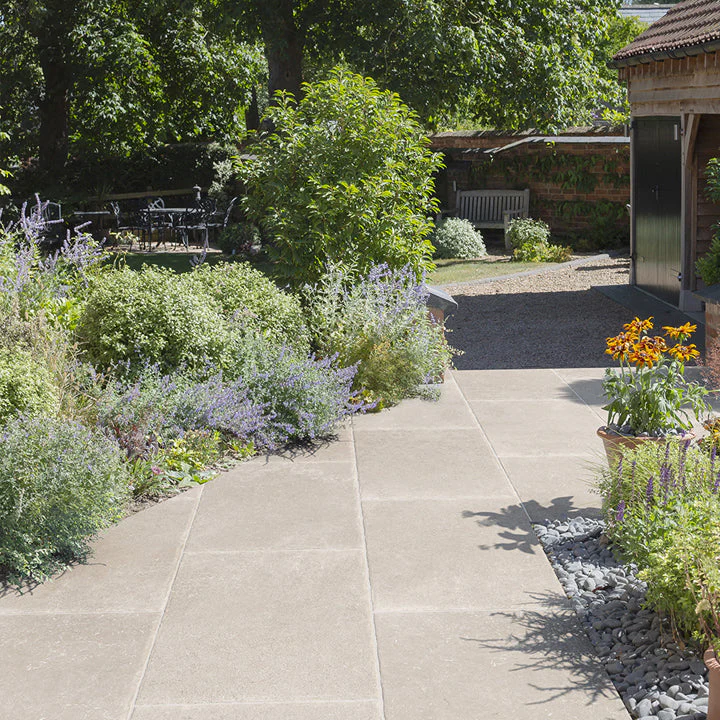
Choosing the Best Paving for Patios
There’s something strangely intimate about choosing the ground you’ll walk on.
You wouldn’t think so at first. After all, paving slabs look like simple materials — stone, concrete, porcelain, maybe a few different colors. But once you actually begin planning a patio, you realize the decision is less about “what looks good” and more about “what feels right under the rhythm of your everyday life.”
A patio, unlike other spaces in your home, is where life spills out naturally. You don’t perform there the way you sometimes do indoors. You don’t sit up straight or worry about cushions or behave like a guest in your own house. You just… settle. Maybe with a cup of tea. Maybe with a conversation you weren’t expecting. Maybe with silence.
So choosing the best paving slabs for patios becomes a choice about atmosphere, behavior, and comfort — not just design.
Let’s walk slowly through the world beneath our feet.
Understanding What Paving Really Means for a Patio
People think paving is decorative. It is, but that’s only the surface.
Good paving sets the emotional tone of an outdoor space. It changes how you move, how you sit, how you gather, and even how long you stay outside.
A warm-toned sandstone patio will make a place feel open, lived-in, almost Mediterranean.
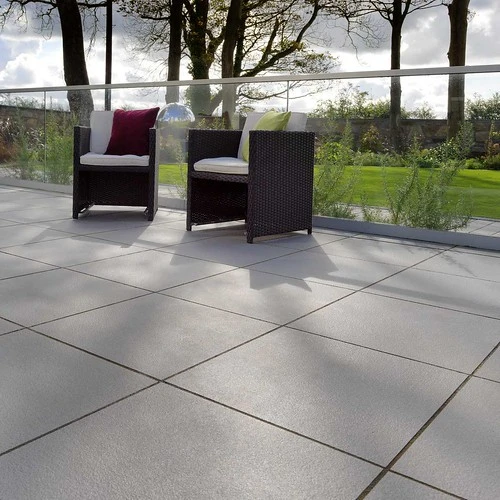
A smooth porcelain patio invites a more modern, composed energy — like the quiet confidence of a home that knows what it wants to be.
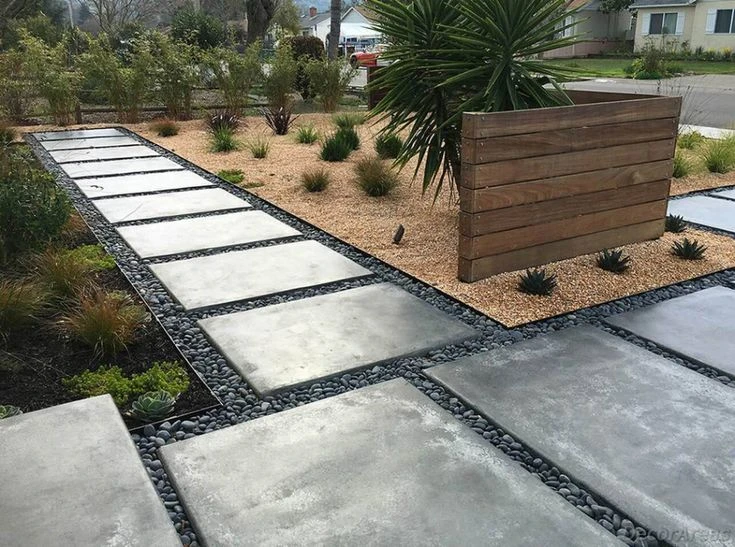
Concrete pavers, with their familiar strength, give families a sense of reliability without demanding too much maintenance or attention.
Every material carries a personality. You don’t pick paving; you choose a mood.
And each mood becomes the foundation of your outdoor life.
The Main Types of Paving Slabs for Patios (And the Feelings They Bring)
When people talk about “the best paving,” they often look for the wrong thing: the strongest, the cheapest, the trendiest. But patios don’t reward trends — they reward habits. The right paving slab matches the way you live, not the way magazines look.
Below are the four major types of paving slabs and the emotional worlds they quietly create.
1. Natural Stone Paving — Earthy, Warm, Emotionally Grounded
Natural stone is the oldest, rawest, most honest form of paving. Sandstone, limestone, slate, granite — each piece carries the earth’s fingerprints: small veins, uneven grain, unrepeatable patterns.
Stone doesn’t pretend. It ages with you.
Why stone feels special:
- It warms under the sun in a way that feels almost comforting.
- It has tiny imperfections, which strangely make a patio feel lived-in from day one.
- No two slabs ever look identical — the patio becomes yours in a deeply personal way.
Best for:
People who love organic surroundings.
Garden-heavy homes.
Spaces meant for slow, peaceful evenings.
How it feels emotionally:
Grounded. Human. Real.
Like stepping into a place that’s been waiting for you.
2. Porcelain Paving — Clean, Modern, Controlled Beauty
Porcelain has become the rising star of patio design, and not because it’s trendy — because it solves problems. It resists stains. It doesn’t fade. It handles rain like it was born for it.
But beyond the practicality, porcelain slabs have a certain elegance that’s hard to explain until you see them laid out.
They feel… composed.
Like a quiet, well-kept secret.
Why porcelain stands out:
- Smooth, refined textures
- Very low maintenance
- Looks premium without looking loud
- Perfect for modern, minimalist homes
Best for:
People who like order.
Outdoor kitchens.
Poolside patios.
Anyone who wants the look to stay clean without effort.
Emotional feel:
Cool. Calm. Slightly luxurious.
Like walking on a soft, modern idea.
3. Concrete Paving — Practical, Familiar, Strong
Concrete pavers don’t beg for attention, and maybe that’s what makes them so reliable. They sit there, solid and quiet, year after year, taking whatever life throws at them — kids, weather, furniture, foot traffic — without complaint.
Why concrete earns loyalty:
- Very durable
- Budget-friendly
- Available in many textures and colors
- Works for both patios and driveways
Best for:
Busy households.
Families with kids.
People who don’t want to fuss over maintenance.
Emotional feel:
Steady. Everyday-friendly.
A surface that feels like it belongs.
4. Composite & Reconstituted Stone — Stylish Without the Weight
If you want the charm of natural stone with the predictability of manufactured material, composites are a surprisingly good middle ground. They’re designed to look expensive while behaving consistently.
Why people choose composite:
- Uniform look
- Affordable compared to premium stone
- Easy to match with modern landscaping
Best for:
Design-forward homes.
Curated patios.
People who love symmetry.
Emotional feel:
Smooth. Polished. Coordinated.
The Psychology of Patio Surfaces (Why Your Feet Decide Before Your Eyes Do)
We rarely think about it consciously, but our bodies react to surfaces instantly.
Texture. Temperature. Sound. Even the way light hits the ground.
All of these sensations influence behavior:
- Smooth porcelain makes you walk slower, more controlled.
- Textured sandstone encourages barefoot wandering.
- Concrete makes a space feel familiar and functional.
- Dark slate adds a sense of depth and intimacy.
Good paving doesn’t just support your furniture — it supports your mood.
Even the sound of footsteps changes the atmosphere:
- Stone gives a soft, earthy tap.
- Porcelain delivers a crisp, modern click.
- Concrete stays muted and calm.
When choosing the best paving for patios, don’t pick with your eyes alone.
Listen to how the material speaks.
How Layout Shapes the Story of Your Patio
Material is only half the decision.
The layout — the geometry under your feet — decides how your space behaves.
Large-format slabs
Bring calm, clean openness. Great for creating a sense of space in smaller patios.
Mixed-size patterns
Feel natural, almost garden-like. Great for homes with greenery.
Straight grid lines
Offer modern simplicity. Perfect for minimal homes and outdoor dining areas.
Staggered or brick patterns
Feel warm, approachable, welcoming.
Choosing a layout is like choosing the pacing of your patio — slow, fast, loose, or organized.
Maintenance: The Honest Truth Nobody Likes Saying Out Loud
Every paving material has a personality, and each one demands (or refuses) attention in its own way.
Stone
A bit dramatic, but worth the effort.
Needs sealing, occasional cleaning.
Porcelain
The “I need nothing from you” option.
Soap and water are enough.
Concrete
Reliable, but likes a good pressure wash occasionally.
Composite
Low maintenance, forgiving, easy.
Your best paving isn’t the prettiest one.
It’s the one that suits your lifestyle.
Weather, Wear, and the Seasons of Outdoor Life
Patios don’t live indoors. They face everything: rainstorms, heat waves, fallen leaves, lazy afternoons, spilled drinks.
So think about your climate before choosing your paving:
- Porcelain handles rain like a champion.
- Sandstone loves warmth but dislikes harsh freezing.
- Concrete can take anything but may show age earlier.
- Slate gets beautifully dramatic in shade or evening light.
You’re not choosing for one summer — you’re choosing for the next decade of your life outside.
How to Know You’ve Found the “Right” Patio Paving
Here’s the strange thing:
You don’t recognize the right paving with your eyes.
You recognize it with your body.
When you imagine stepping outside on a cool morning and placing your bare foot on that surface — if it feels right in your head, it will feel right in real life.
That’s the moment you know.
Your patio isn’t just a space.
It’s an emotional extension of your home.
Choosing the best paving for patios is choosing the foundation of every laugh, conversation, and quiet moment that will happen there.
Final Thoughts: The Ground That Holds Your Life
Good paving doesn’t shout.
It doesn’t beg for attention or chase trends.
It simply supports you — quietly, faithfully, beautifully.
Stone ages with you.
Porcelain steadies you.
Concrete protects you.
Composite impresses you without trying too hard.
And when the day ends and you step outside for a moment of peace, it’s the paving beneath your feet that makes the space feel like your own tiny piece of the world.
A patio is not built from slabs.
It’s built from future memories.





























Sign in to leave a comment.