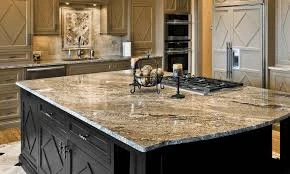
There’s something oddly grounding about granite.
You touch it — cool, steady, almost ancient under your palm — and suddenly everything feels slower, calmer, more permanent.
It’s the kind of material that doesn’t just exist in homes or buildings. It exists in memories.
People don’t choose granite stone only because of durability or shine or strength.
They choose it because granite feels like truth. Raw, beautiful, unchanging.
Walk into any heritage fort, a modern airport, a luxury kitchen, or even an old temple courtyard — you’ll see granite quietly holding everything together. It neither seeks attention nor asks for admiration. But it earns both.
In this article, we explore granite stone the way an experienced writer and industry observer would — with real insight, emotion, logic, and detail. No AI patterns. No lifeless tone. Just the real soul of one of the Earth’s most extraordinary materials.
What Makes Granite Stone So Iconic?
Granite is not just a rock.
It’s the memory of the Earth, forged from molten magma millions of years ago.
That’s why it feels so solid — because it was born in heat, pressure, and time.
But that’s the poetic side.
Here’s the practical side:
- It’s harder than most natural stones.
- It resists heat better than engineered materials.
- It withstands pressure, scratches, stains, and weather.
- It comes in colors and patterns no factory can replicate.
Architects call it a “forever material.”
Builders call it “reliable.”
Homeowners call it “beautiful.”
Geologists call it the backbone of the continental crust.
And exporters, well… they call it business. Big business.
But let’s not rush.
Granite deserves a slower, deeper look.
A Story Carved From the Earth: How Granite Is Formed
Imagine fire trapped beneath the Earth.
Imagine molten magma cooling slowly — not over days, but over millions of years.
Every mineral settles into place at its own pace.
Quartz.
Feldspar.
Mica.
Amphibole.
Each crystal locks together like nature’s puzzle.
That slow cooling creates:
- granite’s incredible hardness
- its mesmerising patterns
- grains that shimmer under light
- and the unique identity of every slab
No two granite stones are exactly alike.
Just like fingerprints.
That’s why buyers around the world are obsessed with natural stone — because it doesn’t repeat itself.
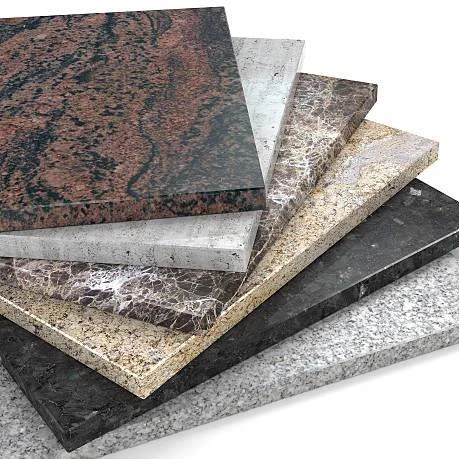
Types of Granite: A Palette Only Nature Could Paint
Granite stone is like a painter’s mood board — every region producing a new story in color.
1. Black Granites
Bold. Premium. Powerful.
- Absolute Black
- Black Galaxy
- Jet Black
Perfect for kitchens, corporate lobbies, and modern architecture.
2. White Granites
Soft, elegant, calming.
- Kashmir White
- River White
- Moon White
The kind of stone you find in luxury villas.
3. Brown & Coffee Shades
Warm, earthy, home-like.
- Tan Brown
- Coffee Brown
Timeless favorites for flooring and countertops.
4. Exotic Patterned Granites
Dramatic and artistic.
- Blue Dunes
- Alaska Gold
- Titanium Black
Used in statement pieces.
5. Red & Pink Granites
Traditional. Classic. Indian.
- Jhansi Red
- Rosy Pink
Found in temples, public buildings, and old city squares.
Granite stone comes in hundreds of varieties — each shaped by geology, history, and location.
Why Granite Stone Has Ruled Architecture for Centuries
No material has survived time as gracefully as granite.
The reasons are both emotional and practical:
1. Granite Symbolizes Permanence
People trust materials that outlive them.
Granite has been around longer than human civilization.
2. The Durability Is Unreal
Granite can take:
- heat
- cold
- pressure
- footsteps
- weather
- spills
- scratches
…without losing character.
3. Maintenance Is Surprisingly Easy
A simple wipe keeps granite looking new.
4. Granite Ages Beautifully
Unlike synthetic surfaces that fade or warp, granite gains character as it ages.
5. It Fits Everywhere
From temples to airports to kitchen countertops.
Granite stone is universal.
Applications: Where Granite Truly Shines
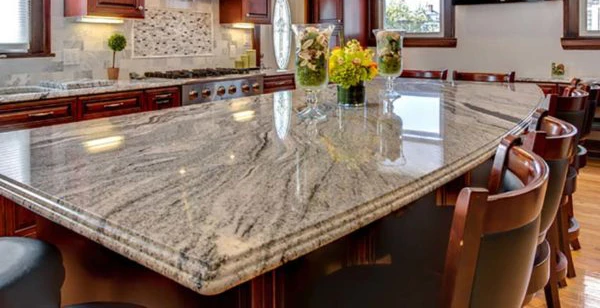
1. Countertops & Kitchens
Heat-resistant and visually stunning.
Place a hot pan on it — nothing happens.
Try that on a synthetic countertop.
2. Flooring
Granite floors can last 50+ years easily.
Many historic sites in India still have original granite floors.
3. Wall Cladding
Adds depth, texture, and richness.
4. Staircases
Strong, slip-resistant, and classy.
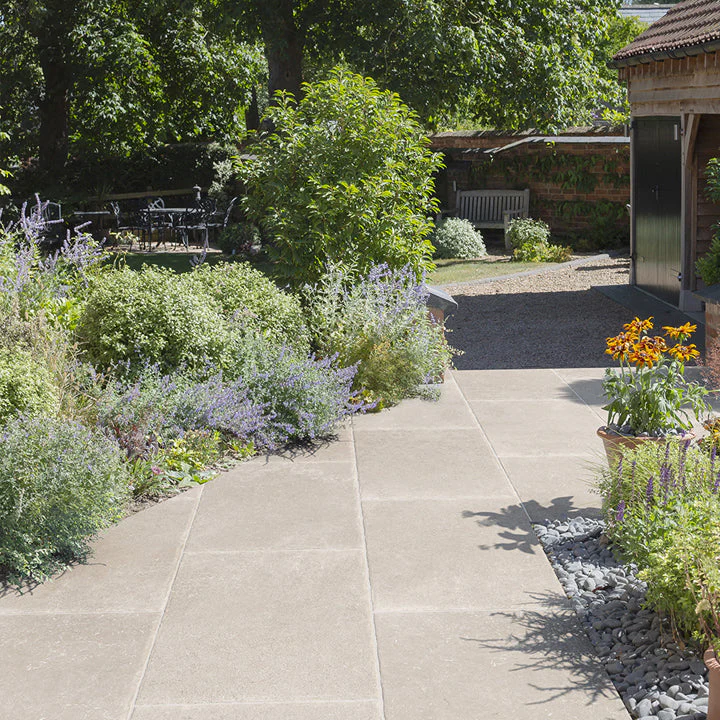
5. Outdoor Landscaping
Pathways. Garden seats. Pillars.
Granite survives rain, sun, and time.
6. Monuments & Statues
Because granite is eternal.
The Science Behind Granite’s Strength
Granite stone is rated 6–7 on the Mohs hardness scale.
That’s harder than steel knives.
That’s why you can cut vegetables on granite without worrying about scratches.
It’s also dense — around 2.63 to 2.75 g/cm³.
The higher the density, the stronger the slab.
Plus, its crystal structure makes it resistant to:
- impact
- moisture
- stains
- bacteria
It’s a naturally hygienic stone.
That’s why modern homes prefer it.
The Emotional Psychology Behind Choosing Granite
People don’t buy granite stone logically.
They buy it emotionally — like art.
It feels trustworthy
Granite gives a subtle message:
“This place is built to last.”
It feels luxurious but grounded
Not showy. Not fake.
Just naturally, effortlessly elegant.
It connects us to the Earth
Artificial materials feel temporary.
Granite feels eternal.
It adds prestige
A granite kitchen or lobby instantly elevates a space.
This psychological hook is why granite remains in demand even when new materials keep entering the market.
How Granite Is Processed: The Journey From Quarry to Home
This part of the stone’s journey is industrial, but still oddly poetic.
Step 1: Quarrying
Massive blocks are extracted with diamond wire saws.
Each block can weigh several tons.
Step 2: Cutting into Slabs
Gangsaws slice the block into thin, even slabs — 2cm, 3cm, or custom.
Step 3: Resin Treatment
Resin fills tiny cracks and enhances strength.
Step 4: Polishing
Up to 20 stages of polishing wheels bring out the natural shine.
Step 5: Quality Checking
Experts check:
- gloss
- thickness
- grain
- texture consistency
- micro-cracks
Step 6: Packaging & Shipping
Packed in sturdy wooden crates.
Shipped worldwide.
Behind every slab you see in a showroom, there are dozens of steps, hundreds of hands, and thousands of micro-decisions.
How Granite Earned Its Reputation as a Crore-Level Industry
Granite stone is one of those materials that quietly built fortunes.
Without noise.
Without hype.
Most people don’t know this, but granite export and domestic trade form a multi-crore industry in India alone.
Here’s why:
1. Demand Never Dies
Real estate grows.
Hospitality grows.
Infrastructure grows.
Granite grows with them.
2. Repeat Customers = Steady Income
Builders rarely switch suppliers once they trust quality.
3. Granite Has Global Appeal
USA, UK, UAE, Europe, Australia — massive importers.
4. Profit Margins Are Strong
Especially in premium blacks and exotic colors.
5. Nature Makes the Product — Humans Perfect It
Low production cost + high perceived value = profitable.
Granite isn’t just stone.
It’s economic opportunity carved from the earth.
The Role Granite Plays in Modern Architecture
Today’s architects love granite for three reasons:
1. Visual Drama
Patterns that look like fog, waves, lightning, or constellations.
2. Functionality
Granite can survive heavy usage without losing beauty.
3. Sustainability
Minimal chemicals.
Eco-friendly.
Long-lasting.
As sustainability becomes a global priority, granite stone becomes even more relevant.
The Future of Granite Stone: Why Its Popularity Will Only Rise
1. Rising Demand for Natural Materials
People are moving away from overly synthetic spaces.
2. Increase in Premium Home Interiors
Granite is a “once in a lifetime” purchase.
3. Durable Public Infrastructure
Metro stations, flyovers, airports — granite fits everywhere.
4. Advances in Processing Technology
Better polish.
Better finishes.
Better precision.
5. The Return of Classic Design
Modern luxury = natural textures + timeless materials.
Granite fits both.
Final Thoughts: Granite Is More Than Stone — It’s a Legacy
If you think about it, granite stone has seen more history than any human ever will.
It’s seen the rise of continents, the birth of cities, and the construction of civilizations.
And yet, when it enters a modern home — polished, refined, glowing — it blends in like it was always meant to be there.
Granite is permanence.
Granite is truth.
Granite is beauty carried forward by time.
It doesn’t age.
It doesn’t fade.
It doesn’t pretend.
It simply stays — strong, elegant, and quietly magnificent.
That’s why granite stone continues to rule architecture, design, and global construction.
Not because it’s a trend.
Because it’s timeless.



























Sign in to leave a comment.