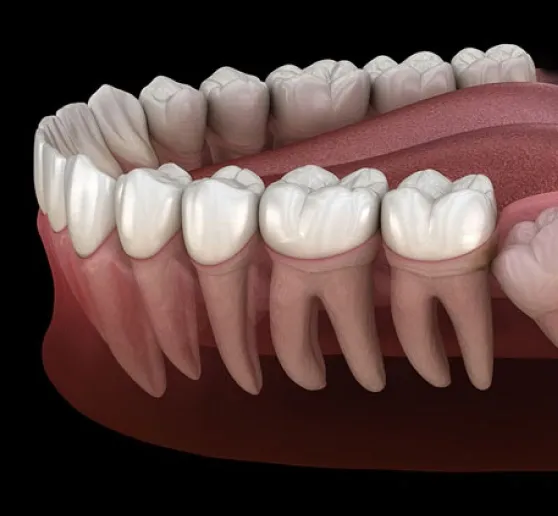
Wisdom teeth—also known as third molars—are the last set of teeth to emerge, typically between the ages of 17 and 25. While some people never experience issues with them, many patients require wisdom teeth removal due to complications that can impact oral health.
This comprehensive guide will help you understand why wisdom teeth need removal, what to expect after surgery, and how to manage your diet and recovery effectively.
Why Do Wisdom Teeth Need to Be Removed?
Not all wisdom teeth need extraction. However, removal is often recommended when they cause problems or are likely to do so in the future.
1. Impaction (Lack of Space)
One of the most common reasons for removal is impaction, which occurs when there isn’t enough space in the jaw for the tooth to fully erupt. Impacted wisdom teeth may grow sideways, remain trapped in the jaw, or partially emerge through the gums.
This can lead to:
- Pain and swelling
- Difficulty opening the mouth
- Infection in surrounding tissues
2. Infection and Gum Disease
Partially erupted wisdom teeth create pockets where bacteria and food particles accumulate. These areas are difficult to clean, increasing the risk of infection (pericoronitis) and gum disease.
If left untreated, infection can spread and cause:
- Facial swelling
- Fever
- Difficulty chewing or swallowing
3. Damage to Nearby Teeth and Bone
Impacted wisdom teeth can press against adjacent molars, potentially damaging them or causing bone loss. In some cases, they may even lead to cysts or other serious conditions.
4. Tooth Decay (Cavities)
Because wisdom teeth are located at the back of the mouth, they are harder to clean properly. This makes them more prone to cavities and decay, which can also affect neighboring teeth.
5. Crowding and Alignment Issues
Wisdom teeth can push against other teeth, contributing to crowding or shifting. This is especially concerning for patients who have had orthodontic treatment.
Key Takeaway
Dentists typically recommend removal when wisdom teeth are:
- Impacted
- Causing pain or infection
- Damaging nearby teeth
- Difficult to maintain
Early evaluation helps prevent complications later in life.

What to Eat After Wisdom Teeth Removal
Diet plays a crucial role in healing. Choosing the right foods can reduce discomfort and prevent complications like dry socket.
First 24 Hours After Extraction
During the first day, your mouth is sensitive, and blood clots are forming at the extraction sites. Stick to soft, cool, and easy-to-swallow foods.
Recommended Foods:
- Smoothies (without a straw)
- Yogurt
- Applesauce
- Mashed potatoes
- Broths and soups (lukewarm, not hot)
- Ice cream or pudding
Important Tips:
- Stay hydrated
- Avoid hot foods and drinks
- Do not use straws (can dislodge the clot)
Diet for the First 7 Days
As healing progresses, you can gradually introduce slightly firmer foods, but still avoid anything hard or crunchy.
Safe Options:
- Scrambled eggs
- Soft pasta
- Oatmeal
- Soft rice
- Steamed vegetables
- Tender fish or chicken (finely chopped)
Continue to:
- Chew away from the extraction site
- Maintain gentle oral hygiene
Foods to Avoid After Wisdom Teeth Removal
Certain foods can irritate the surgical site, delay healing, or cause complications.
Avoid:
- Hard foods (nuts, chips, raw vegetables)
- Crunchy snacks
- Sticky foods (caramel, chewing gum)
- Spicy foods (can irritate tissues)
- Acidic foods (citrus, soda)
- Seeds or grains (can get stuck in the socket)
These foods may disrupt healing or increase the risk of infection.
Smoking and Wisdom Teeth Removal
Smoking after extraction is strongly discouraged.
Why Smoking is Harmful:
- It can dislodge the blood clot
- Increases the risk of dry socket (a painful condition)
- Slows down healing
- Raises infection risk
Most dental professionals recommend avoiding smoking for at least 72 hours, though longer is better for optimal healing.
Recovery Tips for a Smooth Healing Process
To ensure a comfortable recovery, follow these essential tips:
- Rest adequately for the first 24–48 hours
- Apply ice packs to reduce swelling
- Take prescribed medications as directed
- Avoid strenuous activities
- Maintain oral hygiene (without disturbing the surgical site)
When to Contact Your Dentist
While mild discomfort is normal, seek professional help if you experience:
- Severe or worsening pain
- Persistent bleeding
- Signs of infection (fever, swelling, pus)
- Difficulty opening your mouth
Final Thoughts
Wisdom teeth removal is a common and safe procedure that helps prevent serious dental issues. While not everyone needs extraction, many patients benefit from early intervention—especially when wisdom teeth are impacted or causing complications.
Understanding why removal is necessary, following a proper post-surgery diet, and avoiding harmful habits like smoking can make a significant difference in your recovery.
If you suspect issues with your wisdom teeth, consult a qualified dental professional for a personalized evaluation and treatment plan.
























Sign in to leave a comment.