
There’s a special kind of magic in a confident smile. It’s the first thing people notice in a conversation, a silent hello that speaks volumes. But for many, feeling truly good about their smile can feel just out of reach. Maybe it’s a chip from an old accident, a stubborn gap, or teeth that have dulled over time. The thought of a smile makeover often brings to mind lengthy procedures and a significant investment. That’s where the search for composite veneers near me begins—a journey towards a radiant smile that might be simpler and more accessible than you think.
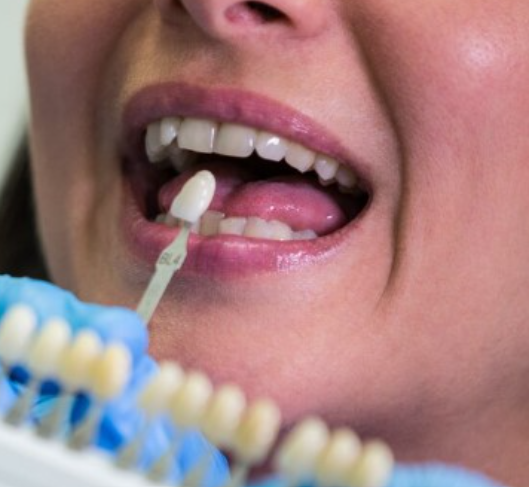
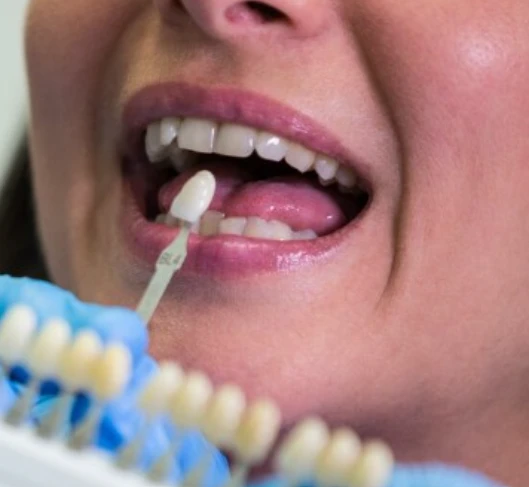
Composite veneers are a modern dental artistry, offering a transformative solution without the need for extensive preparation. Think of them as a skilled application of a tooth-colored, resin material directly onto the tooth's surface. Unlike their porcelain counterparts, which are fabricated in a lab and require at least two visits, composite veneers are often called "direct veneers" because they are sculpted, layer by layer, by the dentist right there in the chair. This hands-on approach allows for incredible customization and, in many cases, a stunning result in just a single appointment.
Understanding the Art and Science of Composite
To appreciate why someone might search for this treatment, it helps to understand what composite resin is. It’s a durable, plastic-based material that has been the cornerstone of modern tooth-colored fillings for decades. The technology and artistry behind it have evolved tremendously. Today’s composites come in a vast palette of shades and opacities, allowing a skilled dentist to mimic the natural translucency, depth, and subtle characteristics of real enamel.
The process itself is a blend of science and aesthetic finesse. After a thorough consultation to discuss your goals, the dentist will lightly prepare the tooth surface—often removing little to no enamel—to create a perfect bonding canvas. Then, using adhesives and the composite material, they begin sculpting. This is where the artist’s eye comes in. They’ll shape the material to correct chips, close small gaps, reshape teeth, or mask discoloration. Each layer is cured with a special light, hardening it instantly. Finally, the veneer is meticulously contoured and polished to a high, natural-looking shine that feels seamless against your lips and tongue.
Why Choose Composite? Weighing the Pros and Cons
Like any dental procedure, composite veneers come with their own set of advantages and considerations, making them a perfect fit for some, but not necessarily for all.
The Upsides:
- Conservative Approach: The most significant benefit is preservation. Because minimal enamel is removed (sometimes none at all), the procedure is largely reversible. This is a major plus for younger patients or those who want to test-drive a new smile.
- Speed and Convenience: The ability to achieve dramatic changes in one visit is a game-changer. There’s no waiting for a lab, no temporary restorations. You walk in with one smile and leave with another.
- Repairability: If a composite veneer chips or wears over time, it can almost always be repaired easily right in the office, often in minutes.
- Cost-Effectiveness: Generally, composite veneers are a more budget-friendly option upfront compared to porcelain, making cosmetic dentistry accessible to a wider range of people.
Points to Ponder:
- Longevity and Staining: While durable, composite resin is not as stain-resistant as porcelain. It can be susceptible to discoloration from coffee, red wine, tobacco, and certain foods over a period of 5-7 years, after which they may need refurbishing or replacement.
- Strength: They are strong, but not as fracture-resistant as porcelain. For individuals with heavy bite forces or habits like nail-biting, this is an important discussion to have with the dentist.
- The Artist’s Hand: The result is exceptionally dependent on the dentist’s skill as a cosmetic artist. The final look relies on their eye for shape, color blending, and light dynamics.
The Search for "Near Me": It’s About More Than Geography
When you type composite veneers near me into a search bar, you’re understandably looking for convenience. But the "near me" part should represent more than just a short drive. It should signify finding a trusted professional in your community—a dentist whose expertise you can rely on and whose chair you can sit in comfortably.
This search is about finding a practice with a proven track record in esthetic dentistry. Look for a dentist who showcases a gallery of their actual cosmetic work, particularly before-and-after photos of composite veneer cases. Read patient reviews that specifically mention cosmetic work, noting comments about the dentist’s attention to detail and patience.
The consultation is your most important tool. A good cosmetic dentist will listen intently to your desires, perform a thorough examination of your oral health, and discuss all your options—not just composite. They should use tools like digital smile design or even a simple wax-up to help you visualize the potential outcome. They’ll also be upfront about the maintenance required, such as avoiding stain-causing substances and committing to excellent oral hygiene and regular professional cleanings.
It’s also wise to inquire about their approach to dental bonding techniques. The longevity of composite veneers depends heavily on the bonding protocol and the quality of materials used. Don’t hesitate to ask questions about their experience and the brands of composite they prefer.
A Smile That Feels Like You
The ultimate goal of any cosmetic dental procedure isn’t to give you a generic, Hollywood smile. It’s to enhance your natural features in a way that boosts your confidence and feels authentically you. Composite veneers excel at this subtle artistry. They can be used on a single tooth to fix an isolated flaw or across several teeth to create harmony.
For someone wanting to close a small diastema (gap), mask tetracycline stains, or repair worn edges, composite resin can be a brilliant, minimally invasive solution. It’s a partnership between you and your dentist to create a smile you’re excited to share—a smile that reflects your personality, not just a technical procedure.
Starting the search locally is a great first step. By finding a skilled professional nearby who specializes in this art form, you’re not just investing in a procedure; you’re investing in a relationship with a dental artist who can help you reveal the best version of your smile, one careful layer at a time.
Frequently Asked Questions (FAQs)
1. How long do composite veneers last?
With proper care, they typically last between 5 to 7 years before they may need significant refurbishment or replacement. Their lifespan greatly depends on your oral habits, diet, and the skill of the initial placement.
2. Do they damage your natural teeth?
One of the biggest advantages is their conservative nature. Little to no enamel is removed, especially compared to porcelain veneers. This makes the process much less invasive and often reversible.
3. Can I whiten my teeth after getting composite veneers?
It’s best to whiten your teeth before having composite veneers placed. The composite material does not respond to whitening agents. Your dentist will match the veneers to your newly whitened shade. If you whiten afterwards, your natural teeth may brighten, but the veneers will not, leading to a mismatch.
4. Are they prone to staining?
Yes, more so than porcelain. Composite is a porous material and can absorb pigments from dark beverages like coffee, tea, and red wine, as well as from smoking. Using a straw for dark drinks and maintaining excellent hygiene can help minimize this.
5. What’s the difference between composite veneers and dental bonding?
The terms are often used interchangeably, as they use the same material. However, “bonding” often refers to smaller repairs (like fixing a chip), while “composite veneers” usually implies a more comprehensive covering of the front surface of the tooth for cosmetic enhancement.
6. How do I care for them?
Care is straightforward: brush twice daily with a non-abrasive toothpaste, floss regularly, and see your dentist for check-ups and cleanings. Avoid using your teeth as tools (to open packages, etc.) and be mindful of very hard foods.
7. What if I don’t like the result?
Because so little enamel is altered, composite veneers can be adjusted, added to, or even removed entirely by a dentist, leaving your natural tooth largely intact. This adjustability is a key safety net of the procedure.


























Sign in to leave a comment.