
Introduction
In 2025, retail supply chains don't just respond to change; they plan for it. AI is driving this change by letting people make decisions in real time, plan for changing demand, and keep track of supplies using data. AI has become the most important part of a strong retail plan as customer standards rise and global disruptions become the norm.
Here are 10 powerful AI apps that are changing the way store supply chains work.
1. Demand Forecasting with Machine Learning
AI models can now predict product demand with incredible precision by analyzing historical sales, weather patterns, seasonal trends, and real-time market signals.
Also read: Why businesses cant ignore Data Reporting Tools
2. Real-Time Inventory Optimization
AI dynamically adjusts inventory levels based on sales velocity, shelf life, and vendor performance. This minimizes both stockouts and overstock situations.
Also read: Yodaplus Blog Inventory Optimization How To Reduce Costs and Improve Efficiency
3. Intelligent Supplier Selection and Evaluation
AI systems can evaluate supplier reliability, delivery performance, and cost efficiency using structured and unstructured data ensuring smart, risk-aware sourcing.
Related blog: How AI Transforms Vendor and Partner Evaluation
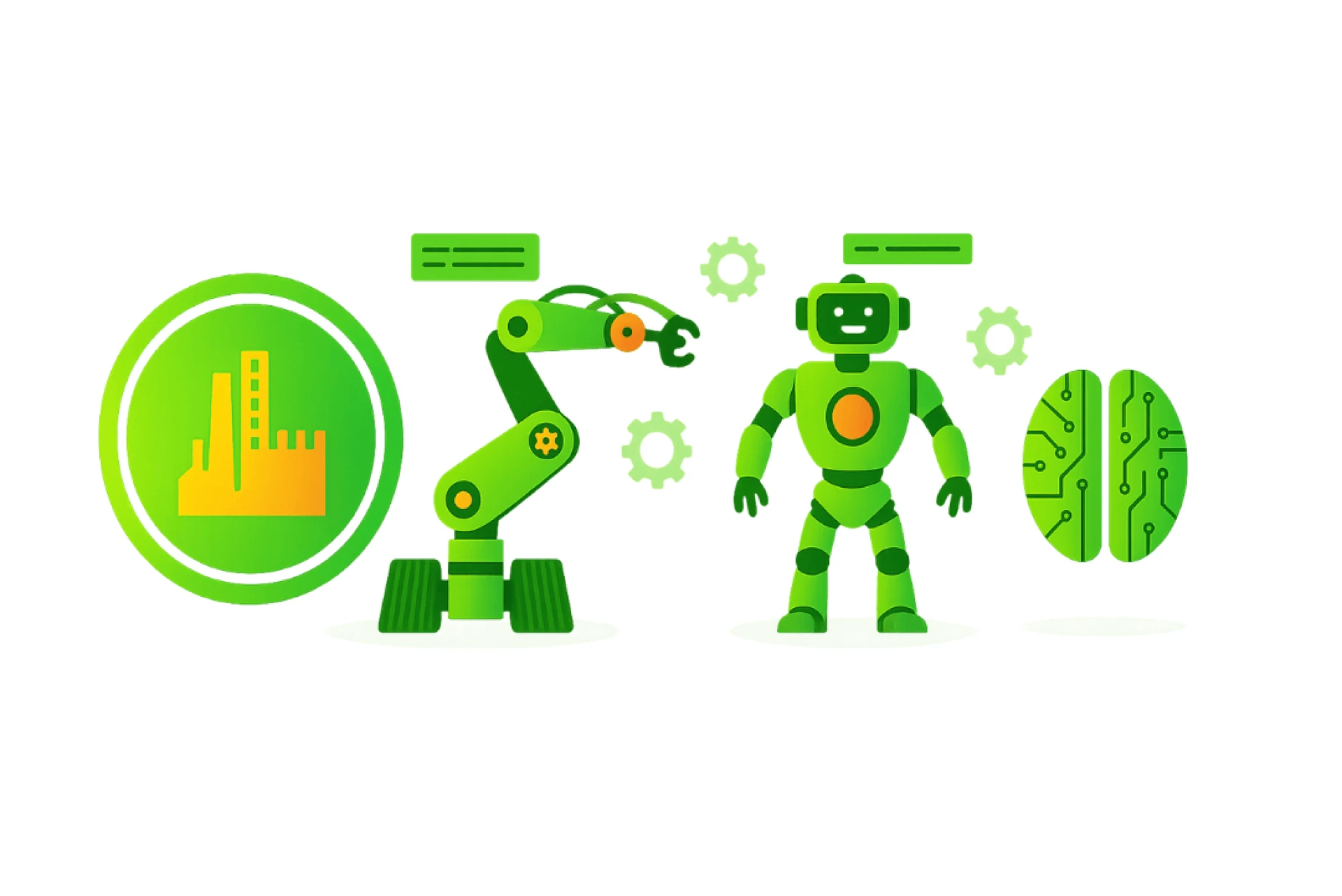
4. Warehouse Automation and Robotics
AI-powered robotics and vision systems automate picking, packing, and sorting, significantly increasing speed and accuracy in fulfillment centers.
Explore more: AI in Warehouse Automation: Where We Are and What’s Next
5. AI-Based Route Optimization in Last-Mile Delivery
Retailers use AI to plan delivery routes based on traffic, weather, and customer availability—reducing delivery times and improving customer satisfaction.
6. Anomaly Detection in Supply Chain Data
AI identifies anomalies like unexpected delays, incorrect shipments, or fraud by constantly monitoring logistics data for deviations from expected patterns.
7. Personalized Promotions Linked to Inventory Availability
AI systems tailor discounts and marketing campaigns based on product availability and location-specific stock, optimizing conversions without risking stockouts.
8. Automated Return and Reverse Logistics Management
AI analyzes return trends and customer feedback to automate return approvals, restocking decisions, and identify issues with SKUs or vendors.
9. Predictive Maintenance for Logistics Equipment
AI-enabled IoT systems monitor warehouse equipment and vehicles, predicting failures before they happen minimizing downtime and avoiding fulfillment disruptions.
Also read: The Role of IoT in Enhancing Supply Chain Visibility
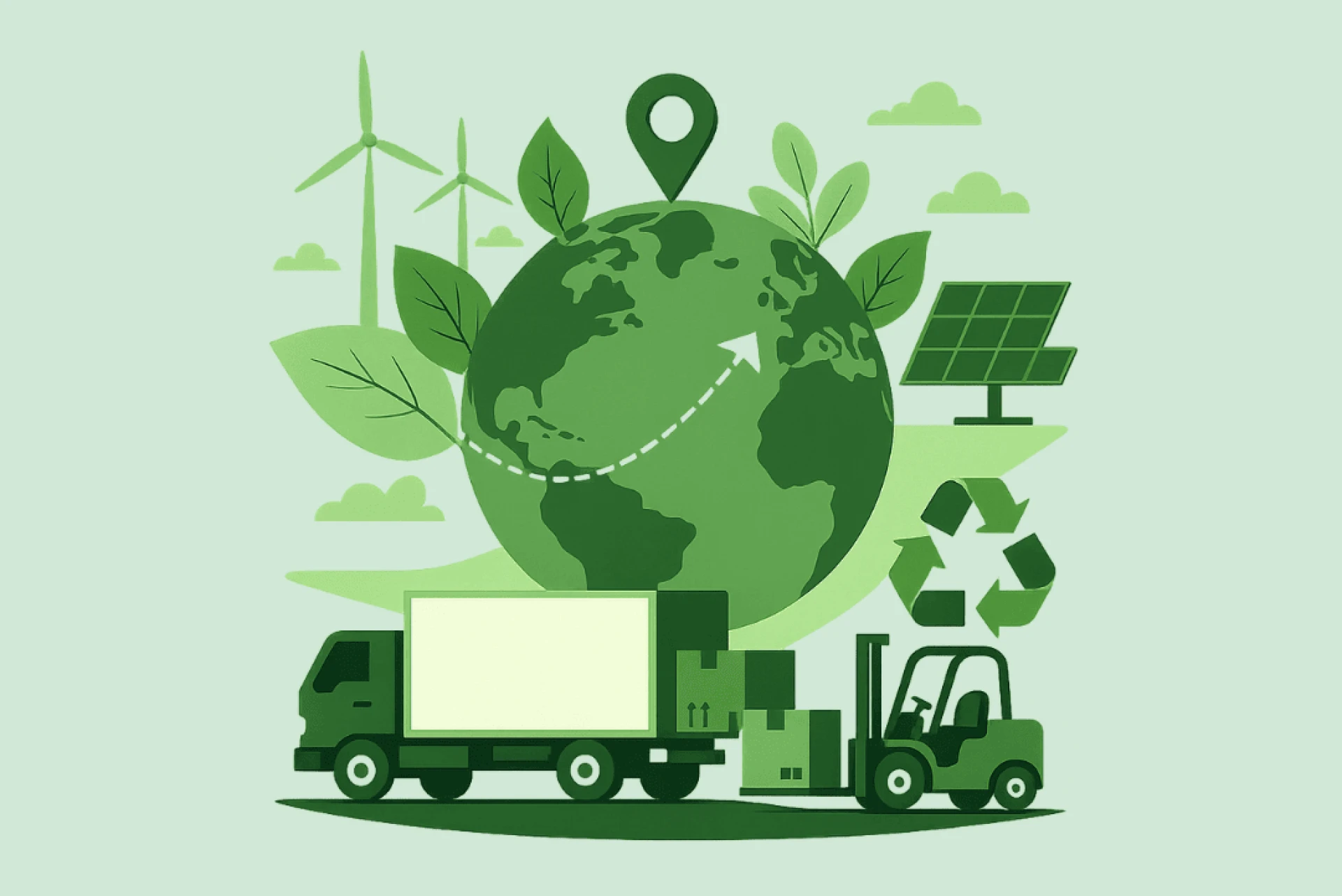
10. Sustainable Logistics and Carbon Footprint Optimization
AI helps retailers choose greener routes, optimize packaging, and track emissions, aligning supply chains with sustainability goals.
Final Thoughts
AI is not merely a tactical addition; it is the strategic brain of the next iteration of retail supply chains. Every facet of the retail supply chain is being reimagined, from sustainable logistics to demand sensing.






















Sign in to leave a comment.