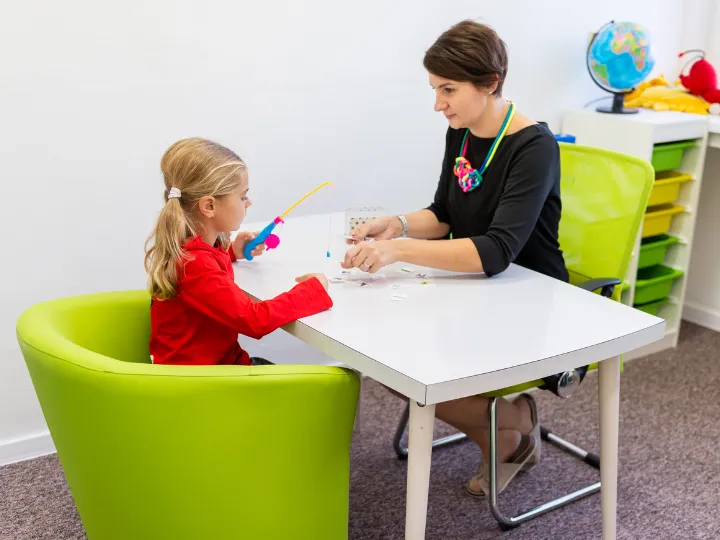

Early childhood is a critical time for growth, learning, and development. During these formative years, children build essential physical, cognitive, and social skills that shape their future. For many families searching for support, terms like kids occupational therapy near me often come up as they look for ways to help their child thrive. Occupational therapy focuses on helping children develop the skills they need for everyday activities, from playing and learning to socialising and self-care.
What Is Kids Occupational Therapy?
Occupational therapy for children is a specialised approach that supports developmental milestones through play-based and structured activities. It is designed to improve fine motor skills, sensory processing, coordination, and independence. Therapists work closely with children to address challenges in a way that feels engaging and natural.
10 Key Benefits of Kids Occupational Therapy
1. Improves Fine Motor Skills
Fine motor skills are essential for tasks like writing, drawing, and using utensils. Occupational therapy helps strengthen hand muscles and coordination, making these everyday tasks easier and more enjoyable for children.
2. Enhances Sensory Processing
Some children may feel overwhelmed by sounds, textures, or lights. Therapy helps them process sensory information more effectively, allowing them to respond appropriately to their environment.
3. Builds Independence in Daily Activities
From dressing to brushing teeth, children learn practical life skills that promote independence. This builds confidence and reduces reliance on caregivers over time.
4. Supports Emotional Regulation
Children often struggle to express and manage their emotions. Occupational therapy introduces strategies to help them cope with frustration, anxiety, and changes in routine.
5. Boosts Social Skills
Through guided interaction and play, children learn how to communicate, share, and build relationships. These skills are essential for school and everyday life.
6. Encourages Better Focus and Attention
Therapy activities are designed to improve concentration and task completion. This can be especially helpful for children who find it difficult to stay engaged in school settings.
7. Develops Hand-Eye Coordination
Activities that involve catching, drawing, or assembling objects help improve coordination. This skill is important for both academic tasks and physical activities.
8. Assists with School Readiness
Occupational therapy prepares children for classroom environments by improving their ability to follow instructions, sit for longer periods, and participate in group activities.
9. Strengthens Gross Motor Skills
Gross motor skills involve larger muscle movements such as running, jumping, and balancing. Therapy helps improve strength and coordination, making physical activities more accessible.
10. Builds Confidence and Self-Esteem
As children achieve small milestones, they gain a sense of accomplishment. This positive reinforcement encourages them to take on new challenges with confidence.
How Occupational Therapy Supports Early Development
Individualised Approach
Each child is unique, and therapy sessions are tailored to their specific needs and goals. This personalised approach ensures that progress is meaningful and sustainable.
Play-Based Learning
Children learn best through play. Occupational therapy uses games and fun activities to teach important skills without making the process feel like a chore.
Family Involvement
Parents and caregivers are often included in the process. They receive guidance on how to support their child’s development at home, creating a consistent and supportive environment.
When Should You Consider Occupational Therapy?
Parents may consider occupational therapy if they notice delays in development, difficulty with coordination, challenges in social interaction, or trouble completing everyday tasks. Early intervention can make a significant difference in a child’s progress and overall wellbeing.
Final Thoughts
Kids occupational therapy plays a vital role in supporting early development by helping children build essential life skills in a supportive and engaging way. From improving coordination to boosting confidence, the benefits extend far beyond the therapy sessions themselves. With the right guidance and support, children can overcome challenges and reach their full potential at their own pace.
FAQs
1. What age can a child start occupational therapy?
Children can begin occupational therapy as early as infancy if developmental concerns are identified. Early intervention often leads to better outcomes.
2. How long does occupational therapy take to show results?
The timeline varies depending on the child’s needs and consistency of therapy. Some improvements may be seen within weeks, while others take longer.
3. Is occupational therapy only for children with disabilities?
No, it supports a wide range of children, including those with developmental delays, learning difficulties, or sensory challenges.
4. How often should a child attend therapy sessions?
Frequency depends on individual needs, but many children attend sessions once or twice a week.
5. Can parents support therapy at home?
Yes, therapists often provide activities and strategies that parents can use at home to reinforce skills and encourage progress.





























Sign in to leave a comment.