

Signs Your Child May Be Finding It Hard to Concentrate
Children who struggle with focus often show consistent patterns that go beyond occasional distraction. You may notice incomplete schoolwork, difficulty following instructions, or a tendency to daydream during lessons. Some children may appear restless, frequently shifting in their seats or seeking stimulation in other ways. Others might seem quiet but mentally disengaged.
In many cases, parents begin searching for support options such as paediatric occupational therapy near me when these behaviours start affecting academic progress and confidence. Early observation plays a key role in identifying whether the issue is temporary or requires structured intervention.
Everyday Factors That Can Impact Attention
Sleep and Routine
A consistent sleep schedule is essential for cognitive performance. Children who do not get enough rest may struggle with memory, attention, and emotional regulation. Establishing a calming bedtime routine can significantly improve daytime focus.
Nutrition and Hydration
Balanced meals rich in protein, whole grains, and healthy fats support brain function. Skipping meals or consuming excessive sugar can lead to energy crashes, making it harder for children to stay attentive in class.
Screen Time and Stimulation
Excessive screen exposure can reduce attention span over time. Fast-paced digital content often conditions the brain to expect constant stimulation, making classroom environments feel slow and less engaging.
Practical Strategies to Improve Focus at Home
Create a Structured Environment
Children thrive in environments where expectations are clear. Set designated times for homework, play, and rest. A predictable routine reduces mental overload and helps children stay on task.
Break Tasks into Smaller Steps
Large tasks can feel overwhelming. Dividing assignments into manageable chunks makes it easier for children to maintain focus and experience small wins along the way.
Use Visual Aids
Visual schedules, charts, and checklists can help children stay organised. These tools act as reminders and reduce the need for constant verbal instructions.
Encourage Active Breaks
Short movement breaks between tasks can refresh the mind. Activities such as stretching, jumping, or a quick walk can improve concentration when returning to work.
Support Within the School Environment
Communicate With Teachers
Open communication with teachers helps you better understand your child’s challenges. Teachers can provide insights into classroom behaviour and suggest strategies that work within the school setting.
Classroom Adjustments
Simple changes such as seating arrangements, reduced distractions, or additional time for tasks can make a significant difference. Some children benefit from sitting closer to the teacher or away from high-traffic areas.
Individual Learning Plans
If focus issues persist, schools may develop tailored learning plans. These plans address specific needs and outline strategies to support academic progress.
When to Consider Professional Support
Identifying Persistent Challenges
If your child continues to struggle despite consistent support at home and school, it may be time to seek professional guidance. Signs include ongoing difficulty completing tasks, low academic performance, or frustration related to learning.
Role of Occupational Therapy
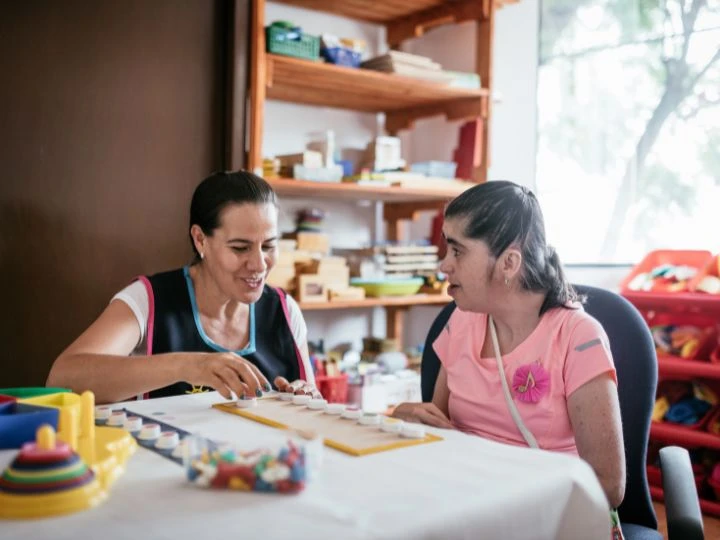
Occupational therapy focuses on improving a child’s ability to perform daily activities, including school-related tasks. Therapists assess areas such as sensory processing, fine motor skills, and attention control.
Parents often explore options like paediatric occupational therapy near me to find tailored support that addresses their child’s unique needs. Therapy sessions may include activities designed to strengthen focus, improve coordination, and build self-regulation skills.
Building Long-Term Skills
Professional support does not just address immediate challenges. It equips children with strategies they can use throughout their academic journey. These skills promote independence and confidence in managing tasks.
Encouraging Positive Behaviour and Mindset
Reinforce Effort Over Outcome
Recognising effort rather than results helps build resilience. Children are more likely to stay engaged when they feel their attempts are valued.
Set Realistic Expectations
Every child develops at their own pace. Setting achievable goals prevents frustration and keeps motivation levels high.
Celebrate Small Achievements
Acknowledging progress, no matter how small, reinforces positive behaviour. This encouragement can boost a child’s willingness to stay focused and try again.
Creating a Balanced Daily Routine
Combine Learning and Play
A balanced routine that includes both structured learning and free play supports overall development. Play encourages creativity and provides a mental break from academic tasks.
Limit Over Scheduling
Too many activities can overwhelm a child and reduce their ability to focus. Ensure there is enough downtime for relaxation and recovery.
Encourage Outdoor Activities
Spending time outdoors has been shown to improve attention and reduce stress. Activities such as walking, cycling, or playing sports can enhance overall wellbeing.
FAQs
What are common reasons children struggle with focus in school?
Children may struggle due to lack of sleep, poor nutrition, high screen time, or developmental differences that affect attention and behaviour.
When should I seek professional help for my child’s focus issues?
If difficulties persist for several months and impact school performance or daily life, it is advisable to consult a professional for assessment and guidance.
How can I support my child’s concentration at home?
You can create a structured routine, minimise distractions, break tasks into smaller steps, and encourage regular breaks to maintain focus.
Does occupational therapy really help with focus?
Yes, occupational therapy can help children develop attention, self-regulation, and organisational skills through personalised strategies and activities.
Cloud Nine
Towers/17 Patrick St,
Blacktown NSW 2148, Australia
+61296211772
































Sign in to leave a comment.