
Children grow and learn at different rates, and it’s completely normal for them to face small hurdles along the way. However, when everyday activities such as writing, getting dressed, focusing in class, or playing with other children become difficult, professional support can make a meaningful difference. This is where a paediatric occupational therapist plays an important role.
A paediatric occupational therapist specialises in helping children develop the skills they need for daily life. Through targeted therapy, creative activities, and personalised strategies, these specialists support kids in building independence, confidence, and stronger developmental abilities.
Understanding the Role of a Paediatric Occupational Therapist
A paediatric occupational therapist works with children who experience challenges related to motor skills, sensory processing, coordination, attention, and daily routines. Their goal is to help children participate fully in everyday activities at home, school, and in social environments.
Rather than focusing only on medical treatment, therapy is designed to improve practical life skills such as:
- Holding a pencil correctly
- Buttoning clothes or tying shoelaces
- Improving hand-eye coordination
- Managing sensory sensitivities
- Strengthening focus and organisation skills
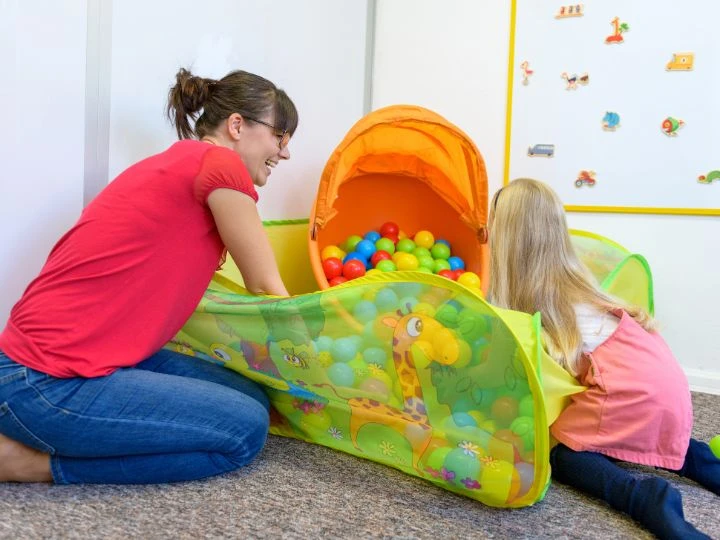
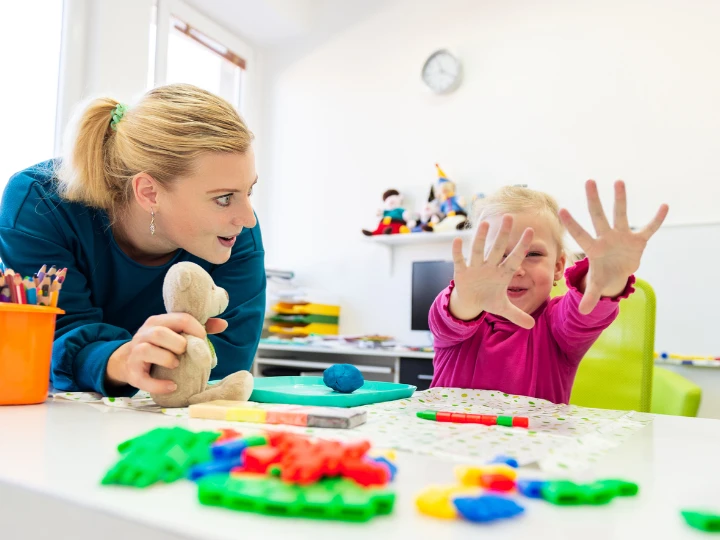
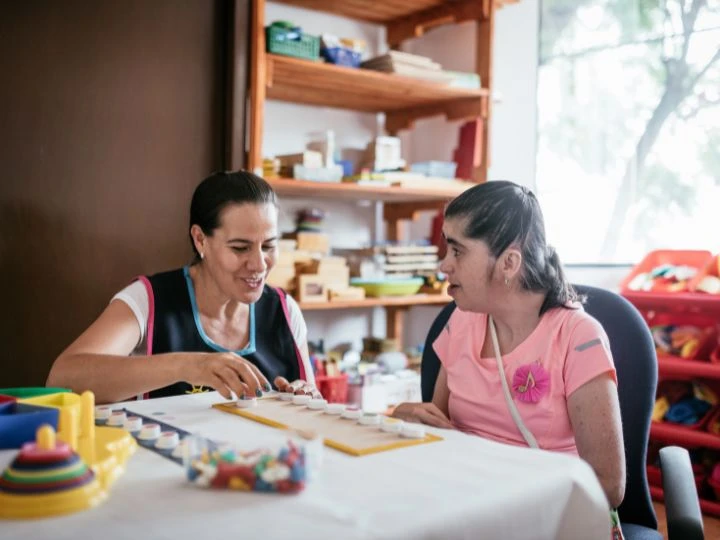
Sessions are typically designed to feel fun and engaging, often incorporating games, puzzles, movement activities, and creative play.
Common Everyday Challenges Children Face
Children may struggle with different tasks at different developmental stages. A qualified occupational therapist carefully assesses each child’s abilities and creates personalised strategies to help them progress.
Fine Motor Skill Difficulties
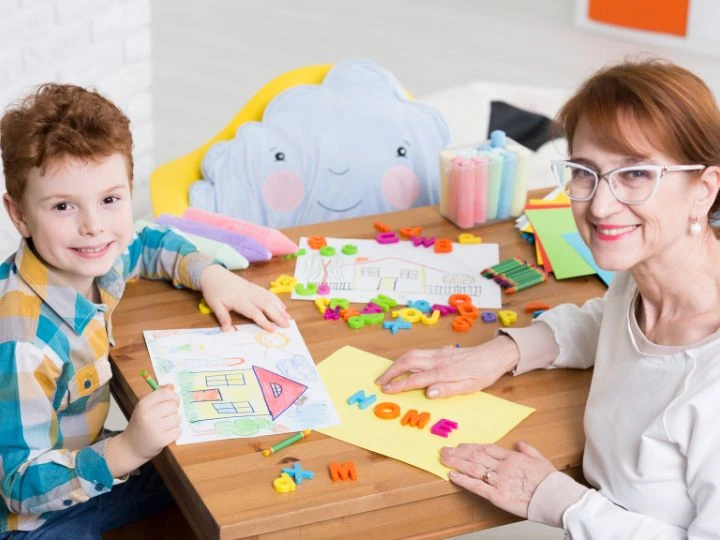
Fine motor skills involve small muscle movements, particularly in the hands and fingers. These skills are essential for tasks like drawing, writing, and using scissors.
Children who experience difficulty in this area may:
- Avoid colouring or drawing activities.
- Struggle with handwriting
- Find it difficult to manipulate small objects.
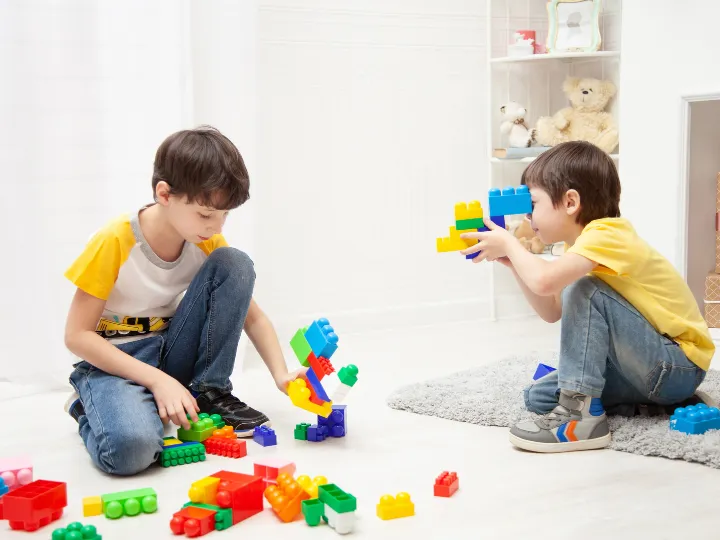
Therapy activities may include building blocks, craft tasks, and strengthening exercises that improve hand control.
Sensory Processing Challenges
Some children are extremely sensitive to sounds, textures, lights, or movement. Others may seek constant sensory input.
A paediatric occupational therapist helps children regulate these responses through structured sensory activities, allowing them to feel calmer and more comfortable in daily environments.
Coordination and Balance Issues
Children who struggle with coordination may find sports, playground activities, or even basic movements challenging.
Therapists use movement-based activities to improve:
- Balance and body awareness
- Core strength
- Gross motor coordination
These exercises help children become more confident when participating in physical activities with peers.
How Therapy Supports Learning and Independence
The ultimate aim of therapy is not just skill improvement but greater independence in everyday life. A skilled occupational therapist works closely with families, teachers, and caregivers to ensure strategies are consistent across environments.
Support may include:
- Classroom adaptations for better focus
- Home routines that encourage independence
- Strength-building and coordination exercises
- Sensory regulation strategies
Because therapy is tailored to each child, progress often occurs gradually but steadily. Over time, children gain the skills they need to manage daily activities more comfortably.
The Importance of Early Support
Early intervention can significantly improve developmental outcomes. When challenges are identified early, therapy can help children build foundational skills before difficulties affect school performance or confidence.
Parents might consider consulting a paediatric occupational therapist if their child:
- Avoids tasks requiring coordination or fine motor skills
- Appears unusually sensitive to textures, noise, or movement
- Struggles with everyday self-care routines
- Has difficulty concentrating or staying organised
With the right support, many children quickly gain confidence and develop stronger abilities.
In summary, every child deserves the opportunity to grow, learn, and participate fully in daily life. When developmental challenges arise, a paediatric occupational therapist provides practical support to help children overcome obstacles and build essential life skills.
Through personalised assessments, engaging therapy sessions, and collaboration with families and educators, these specialists empower children to become more independent and confident. Whether improving motor skills, sensory regulation, or coordination, the guidance of a qualified occupational therapist can make a lasting difference in a child’s development and wellbeing.






























Sign in to leave a comment.