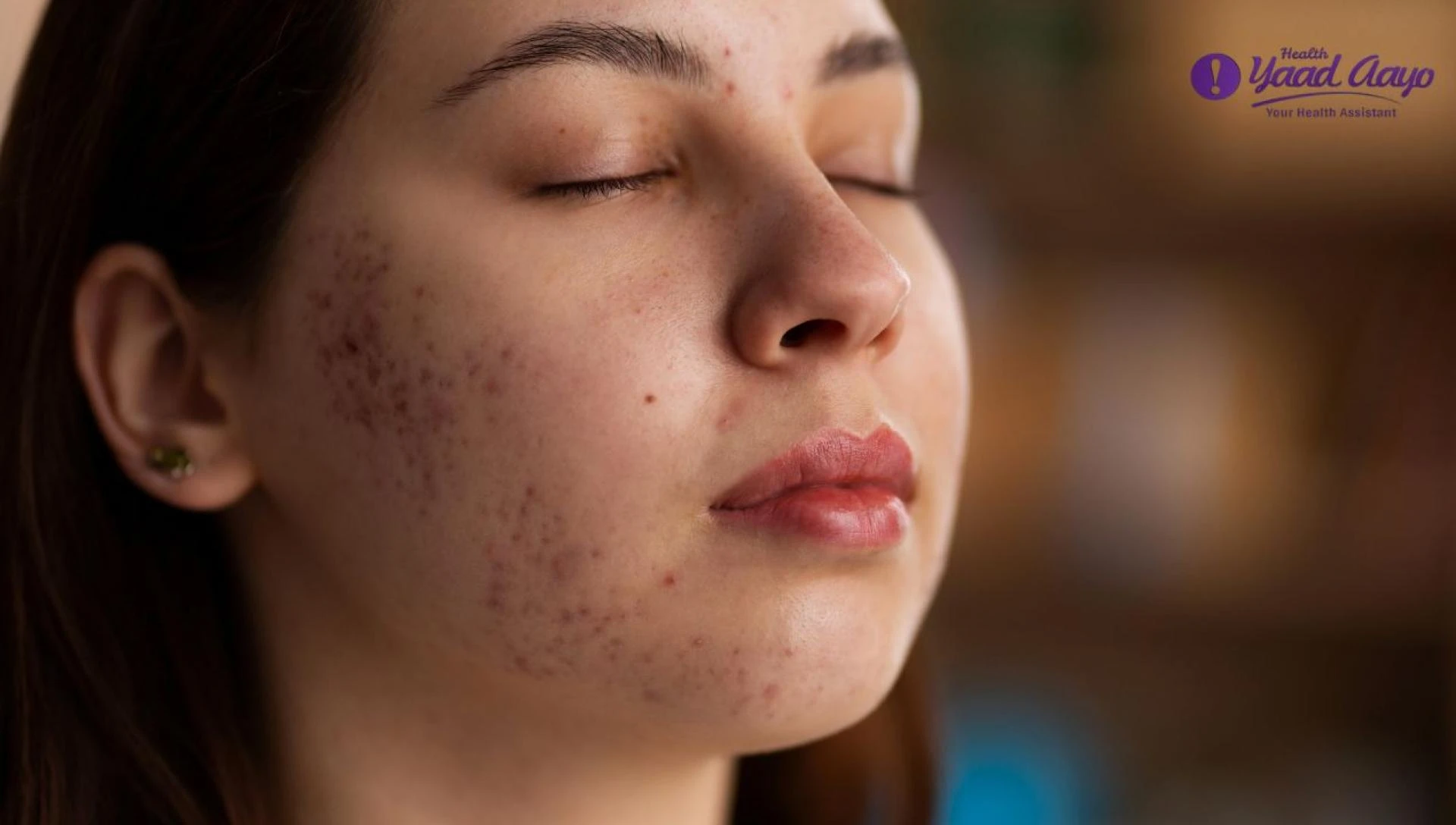

Acne is often related with adolescence, but it can continue or even begin in adulthood. Adult acne can be frustrating and challenging to manage, especially when it seems to appear out of nowhere. Understanding the causes of acne breakouts in adults is the first step toward achieving clearer skin. Here are 10 common causes of adult acne and tips on how to avoid them.
1. Hormonal Fluctuations
Hormonal changes are one of the leading causes of adult acne, particularly in women. Fluctuations in hormones like estrogen, progesterone, and testosterone can trigger excess oil production, leading to clogged pores and breakouts. This often occurs during menstruation, pregnancy, menopause, or due to conditions like polycystic ovary syndrome (PCOS).
How to Avoid It:
- Consult a healthcare provider to address hormonal imbalances.
- Maintain a consistent skincare routine to manage oil production.
- Consider birth control pills if prescribed.
2. Stress
Stress triggers the release of cortisol, a hormone that can increase oil production in the skin. This excess oil can clog pores and lead to acne breakouts.
How to Avoid It
- Practice stress management techniques like meditation, yoga, or deep breathing exercises.
- Get regular exercise to reduce stress levels.
- Prioritize sleep to help your body recover and regulate hormones.
3. Poor Skincare Habits
Using harsh or comedogenic (pore-clogging) products can irritate the skin and worsen acne. Similarly, not cleansing properly can lead to a buildup of dirt, oil, and bacteria.
How to Avoid It:
- Use gentle, non-comedogenic skincare products.
- Cleanse your face twice daily to remove impurities.
- Exfoliate 1-2 times a week to prevent dead skin cell buildup.
- Avoid over-washing, which can strip the skin of natural oils and cause irritation.
4. Dietary Choices
Certain foods, such as those high in sugar, dairy, or refined carbohydrates, may contribute to acne in some individuals. These foods can increase insulin levels, leading to increased oil production and inflammation.
How to Avoid It:
- Limit your intake of sugary and processed foods.
- Reduce dairy consumption if you notice it triggers breakouts.
- Include anti-inflammatory foods like fruits, vegetables into your diet.
5. Using Dirty Pillow Cover
Using unwashed pillowcases can contribute to skin irritation and inflammation, potentially leading to acne breakouts. Pillowcases can accumulate oils, dirt, and bacteria from your skin and hair, which may clog pores and cause marks.
How to Avoid It:
- Wash Pillowcases Regularly
- Maintain Clean Hair
- Replace Pillows Periodically
6. Genetics
If your parents had adult acne, you may be more prone to it due to genetic factors that influence oil production, skin cell turnover, and inflammation.
How to Avoid It:
- While you can’t change your genetics, you can manage acne with a consistent skincare routine and professional treatments like retinoids or chemical peels.
7. Environmental Factors
Pollution, humidity, and exposure to irritants can clog pores and trigger acne. Additionally, UV radiation can damage the skin and worsen breakouts.
How to Avoid It:
- Cleanse your skin thoroughly after being outdoors.
- Use a non-comedogenic sunscreen daily.
- Consider using an antioxidant serum to protect against environmental damage.
8. Makeup and Hair Products
Heavy or oil-based makeup and hair products can clog pores, especially along the hairline and forehead. This is known as "pomade acne."
How to Avoid It:
- Choose non-comedogenic, oil-free makeup and skincare products.
- Wash your face before bed to remove all traces of makeup.
- Keep hair products away from your face and cleanse your hairline thoroughly.
9. Touching Your Face
Frequently touching your face can transfer bacteria, dirt, and oil from your hands to your skin, leading to breakouts.
How to Avoid It:
- Avoid touching your face throughout the day.
- Wash your hands regularly, especially before applying skincare products.
- Keep your phone screen clean to prevent bacteria transfer during calls.
10. Improper Sleep
Lack of sleep can disrupt hormone levels, increase stress, and damage the skin’s ability to repair itself, which can contribute to acne.
How to Avoid It:
- Sleep for at least 7-9 hours each night.
- Start a bedtime routine to improve sleep hygiene.
Conclusion
Adult acne can be caused by a combination of factors, including hormones, lifestyle choices, and environmental influences. By identifying the root cause of your breakouts and adopting healthy habits, you can significantly reduce acne and improve your skin’s overall health. If you still have acne breakouts, don’t worry! You can download the Health Yaad Aayo app to consult a doctor and get instant advice. HYA offers physical consultations, teleconsultations, and virtual services.



























Sign in to leave a comment.