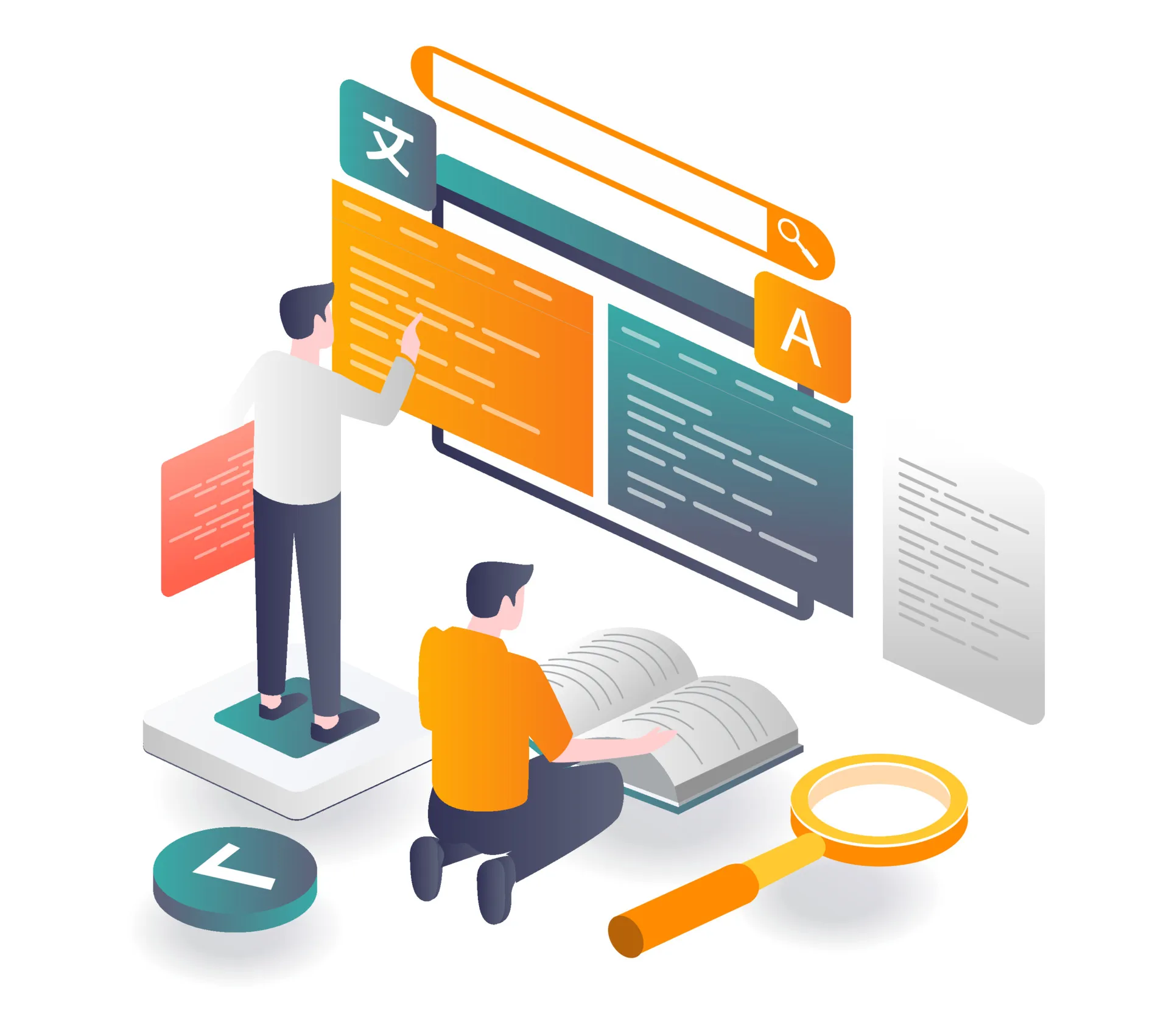

Technical manuals help people install, operate, repair, and maintain products safely and correctly. These documents are used in industries such as manufacturing, healthcare, engineering, information technology, and electronics. When a manual is translated into another language, every instruction must remain clear and accurate. A small translation mistake can lead to confusion, equipment damage, or safety risks. High-quality technical translation ensures that every user receives the same reliable information, no matter which language they speak.
Why Technical Manual Translation Deserves Special Attention
Unlike marketing brochures or general business documents, technical manuals contain detailed instructions that users depend on every day. These manuals often include:
- Operating procedures
- Safety warnings
- Troubleshooting steps
- Maintenance schedules
- Product specifications
- Installation instructions
Because these documents guide real-world tasks, accuracy is more important than creative writing. Many companies trust professional technical document translation in Phoenix to make sure every instruction remains correct and easy to understand.
1. Start With a Well-Written Source Manual
A good translation begins with a clear original document. Before sending a manual for translation:
- Remove unclear wording.
- Use short and direct sentences.
- Avoid unnecessary technical jargon where possible.
- Keep terminology consistent.
If the original manual is confusing, the translated version is likely to be confusing as well. Well-organized source content allows translators to focus on accuracy instead of trying to interpret unclear instructions.
2. Use Translators With Industry Knowledge
Technical manuals often contain specialized information. For example, manuals may relate to:
- Industrial machines
- Medical devices
- Software systems
- Electrical equipment
- Automotive components
A translator who understands the industry can choose the correct technical terms and explain complex processes accurately. Industry knowledge helps prevent costly translation mistakes.
3. Create a Technical Terminology Glossary
Many technical words appear repeatedly throughout a manual. Examples include:
- Control panel
- Sensor
- Pressure valve
- Cooling system
- Circuit board
Every occurrence should use the same translated term. Creating a glossary before translation helps maintain consistency across the entire document. It also makes future updates easier because approved terminology has already been established.
4. Keep Safety Instructions Easy to Understand
Safety information is one of the most important parts of any technical manual. Warning messages should always be:
- Clear
- Direct
- Simple
- Easy to recognize
Avoid complicated wording that may confuse users.
Readers should immediately understand what action they need to take to avoid accidents or equipment damage. Professional technical document translation in Phoenix helps ensure that safety messages remain accurate across every language version.
5. Preserve the Original Layout
Technical manuals contain much more than paragraphs of text. They often include:
- Tables
- Diagrams
- Numbered procedures
- Flowcharts
- Warning symbols
- Product illustrations
Maintaining the original layout helps users find information quickly. It also allows technicians to compare translated manuals with the original when necessary. A well-formatted manual improves both usability and professionalism.
6. Translate Every Visible Element
Sometimes only the main text is translated while labels inside diagrams or illustrations are forgotten. Remember to translate:
- Figure labels
- Image captions
- Warning boxes
- Button names
- Screen messages
- Table headings
Leaving these elements untranslated can confuse users and reduce the effectiveness of the manual. Every piece of information should support the reader in completing a task successfully.
7. Review Measurements and Technical Data Carefully
Technical manuals contain many numbers that must remain accurate. Pay close attention to:
- Dimensions
- Temperatures
- Pressure values
- Voltage ratings
- Time intervals
- Product model numbers
Even a small error in technical data can create operational problems. Quality review should always include a detailed comparison of numerical information against the original manual.
8. Think About the End User
Different manuals are written for different audiences. Some readers may be:
- Engineers
- Maintenance technicians
- Machine operators
- Customers
- First-time users
The translated language should match the reader's level of technical knowledge. Simple language helps users understand instructions more quickly without changing the technical meaning. This improves the overall user experience.
9. Never Skip the Quality Review Process
Translation should always be followed by careful proofreading. A complete quality review checks for:
- Terminology consistency
- Grammar
- Spelling
- Missing text
- Formatting
- Technical accuracy
Many professional translation providers use multiple reviewers to improve document quality before delivery. This extra step helps eliminate errors that might otherwise go unnoticed.
Businesses often select technical document translation in Phoenix because experienced providers include thorough quality assurance as part of the translation process.
10. Avoid Relying Only on Machine Translation
Machine translation tools have become more advanced, but technical manuals still require human expertise. Automated systems may:
- Translate technical terms incorrectly.
- Ignore industry context.
- Produce inconsistent wording.
- Misinterpret safety instructions.
Human translators understand how products work and can choose language that accurately reflects the original meaning. This reduces ambiguity and improves user safety.
Common Mistakes to Avoid
Even well-prepared manuals can suffer from avoidable translation problems. Some common mistakes include:
- Inconsistent terminology
- Missing diagram labels
- Incorrect units of measurement
- Poor formatting
- Literal translation of technical phrases
- Ignoring the target audience
Avoiding these mistakes helps create manuals that users can trust.
Benefits of High-Quality Technical Manual Translation
Investing in professional translation offers several long-term advantages. Some important benefits include:
- Better product safety
- Fewer user errors
- Lower customer support requests
- Stronger international communication
- Higher customer satisfaction
- Improved brand reputation
- Easier product adoption in global markets
These benefits support both customers and businesses by improving the overall quality of technical communication.
Final Thoughts
A technical manual is only useful when readers can understand every instruction clearly and follow it with confidence. Accurate translation requires industry knowledge, consistent terminology, careful formatting, and detailed quality checks to ensure that every section reflects the original document correctly. By following these best practices and working with professionals who specialize in technical document translation in Phoenix, businesses can create reliable multilingual manuals that improve product safety, reduce misunderstandings, and support successful operations in international markets.
























Sign in to leave a comment.