Your smile is one of your most valuable assets, yet many people unknowingly damage their teeth through simple daily habits. While brushing twice a day is important, certain routines can quietly harm your dental health. If you've been searching for a dentist near me to address unexpected tooth problems, understanding these common mistakes can help you protect your smile between visits.
1. Brushing Too Hard
The Problem: Many people think scrubbing harder means cleaner teeth. This aggressive approach actually wears down enamel and irritates gums, leading to sensitivity and recession.
Better Alternative: Use a soft-bristled toothbrush and gentle circular motions. Let the bristles do the work. Your teeth need cleaning, not scouring. Think of it like washing a delicate dish rather than scrubbing a dirty pot. Your Glendale dentist can show you the proper brushing technique during your next visit.
2. Using Your Teeth As Tools
The Problem: Opening packages, tearing tags, or cracking nuts with your teeth puts extreme pressure on enamel. This habit frequently causes chips, cracks, and even breaks that require emergency dental work.
Better Alternative: Keep scissors, bottle openers, and nutcrackers handy. Your teeth are designed for eating, not functioning as a Swiss Army knife. This simple switch can save you from costly repairs.
3. Snacking Throughout The Day
The Problem: Constant snacking means your teeth are repeatedly exposed to acids and sugars. Each snack creates an acid attack that lasts about 20 minutes, preventing your mouth from naturally restoring its pH balance.
Better Alternative: Stick to three main meals and limit snacks to once or twice daily. When you do snack, choose tooth-friendly options like cheese, nuts, or vegetables. Drink water afterward to help rinse away food particles. Timing your eating patterns can significantly reduce cavity risk.
4. Sipping Sugary Or Acidic Drinks All Day
The Problem: Slowly drinking soda, juice, sports drinks, or sweetened coffee throughout the day bathes your teeth in sugar and acid for hours. This creates the perfect environment for decay.
Better Alternative: Drink these beverages with meals rather than sipping them constantly. Use a straw to minimize contact with teeth. Better yet, switch to water as your main beverage. Your Glendale dentist will notice the difference at your next checkup.
5. Chewing Ice Cubes
The Problem: Ice is hard and brittle, just like your tooth enamel. Crunching ice can cause microscopic cracks that eventually lead to major fractures or breaks.
Better Alternative: If you love the cold, crunch sensation, try frozen grapes or sugar-free ice pops instead. Let ice melt in your drink naturally rather than treating it as a snack.
6. Grinding Your Teeth At Night
The Problem: Nighttime grinding, also called bruxism, wears down enamel and can cause jaw pain, headaches, and tooth damage. Many people don't even realize they're doing it.
Better Alternative: Talk to a dentist in Glendale about getting a custom night guard. These protective devices cushion your teeth and prevent damage. Managing stress through exercise or meditation can also help reduce grinding.
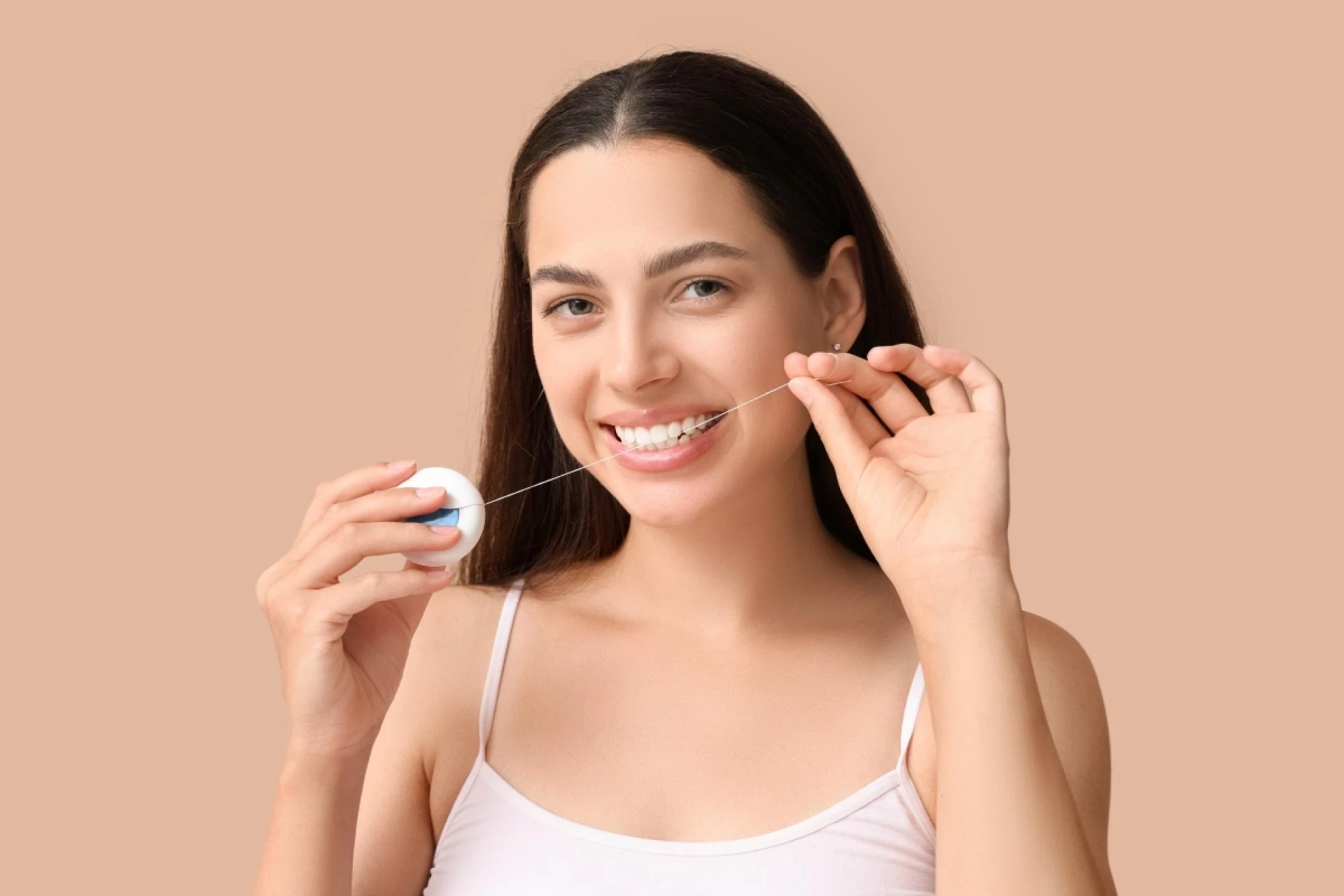
7. Skipping Flossing
The Problem: Your toothbrush only reaches about 60% of tooth surfaces. The spaces between teeth harbor bacteria and food particles that cause cavities and gum disease.
Better Alternative: Floss once daily, preferably before bed. If traditional floss feels difficult, try floss picks, water flossers, or interdental brushes. Research shows that gum disease affects nearly half of adults over 30, making flossing critical for prevention.
8. Using A Toothbrush Too Long
The Problem: Worn toothbrush bristles become frayed and ineffective. They can't properly clean teeth and may even damage gums. Bacteria also build up on old brushes.
Better Alternative: Replace your toothbrush every three months or sooner if bristles look worn. Set a reminder on your phone or buy a new brush each season. This small investment protects your dental health.
9. Ignoring Dry Mouth
The Problem: Saliva naturally washes away food and neutralizes acids. When your mouth stays dry due to medications, mouth breathing, or certain conditions, cavity risk increases dramatically.
Better Alternative: Stay hydrated by drinking plenty of water. Chew sugar-free gum to stimulate saliva production. Your Glendale dentist can recommend special rinses or products designed for dry mouth relief. Medical experts offer additional guidance on managing this condition
effectively.
10. Delaying Dental Visits
The Problem: Putting off routine checkups allows small issues to become major problems. Early decay or gum disease often causes no pain, so you won't know something's wrong until significant damage occurs.
Better Alternative: Visit your dentist near me every six months for cleanings and exams. These preventive appointments catch problems early when they're easier and less expensive to treat. Regular visits also include professional cleanings that remove buildup your toothbrush can't reach.
Frequently Asked Questions
Q1: How often should I really brush my teeth?
A: Brush twice daily for two minutes each time. Brushing more than three times daily can actually damage your enamel, so stick to morning and night.
Q2: Is it bad to rinse my mouth right after brushing?
A: Yes, rinsing immediately washes away the protective fluoride from your toothpaste. Spit out excess toothpaste but avoid rinsing for at least 30 minutes after brushing.
Q3: Can I reverse early tooth decay?
A: Early decay that hasn't broken through the enamel can sometimes be reversed through improved oral hygiene, fluoride treatments, and dietary changes. However, once a cavity forms, you'll need professional treatment.
Q4: Why do my gums bleed when I floss?
A: Bleeding gums usually indicate inflammation from plaque buildup. Continue flossing gently and consistently. If bleeding persists after two weeks, visit a dental professional to rule out gum disease.
Q5: Are electric toothbrushes better than manual ones?
A: Electric toothbrushes can be more effective at removing plaque, especially for people who tend to brush too quickly or with improper technique. However, a manual brush works fine if used correctly.
Q6: How can I tell if I grind my teeth at night?
A: Common signs include waking with jaw soreness, headaches, worn tooth surfaces, or a partner hearing grinding sounds. A dental professional can examine your teeth for telltale wear patterns.
Q7: What should I do if I chip a tooth?
A: Rinse your mouth with warm water, save any tooth fragments, and contact a dental office immediately. Avoid chewing on that side and take over-the-counter pain medication if needed.
Conclusion
Small changes in your daily routine can make a huge difference in your long-term dental health. By replacing these damaging habits with tooth-friendly alternatives, you'll save money, avoid painful procedures, and keep your smile bright for years to come.
Don't wait until a small problem becomes a major issue. If you're experiencing tooth sensitivity, pain, or other concerns, searching for a trusted dentist near me is your first step toward better oral health. Schedule a consultation with your Glendale dentist today. Ready to take the next step? Contact a local dental office to book your appointment and get personalized advice for your unique dental needs. Your future self will thank you for taking action now.



























Sign in to leave a comment.