
Your kid flashes a big smile, and you notice their teeth look a little crooked. Maybe their bite seems off. You might wonder if it's time to see an orthodontist, but your child is only six or seven. Is that too early? The answer might surprise you.
Timing matters when it comes to your child's teeth. Getting an early orthodontic screening can make a real difference in their smile's future. If you're a parent trying to figure out the right time to act, or you're searching for a Glendale dentist who specializes in child care, this post will help you understand what you need to know.
Why Early Screening Matters
Your child's teeth are always moving and growing. Bones in their face are still developing until their late teens. Catching problems early lets your dentist guide that growth in the right direction rather than fixing big problems later.
Early screenings can spot bite problems, crowding, and spacing issues before they become serious. A dentist in Glendale can watch your child's development and alert you if orthodontic help might be needed down the road. This kind of early look often saves money and avoids more complex treatments later.
Most kids have baby teeth until around age twelve. By age seven or eight, kids start losing these teeth and permanent teeth come in. This mixed teeth stage is the perfect time for screening because your dentist can see how permanent teeth are developing.
The Right Age for Your First Screening
The American Association of Orthodontists suggests that kids get their first orthodontic screening around age seven. This doesn't mean your child will need braces right then. It means a trained professional takes a look at their bite and tooth position to plan for the future.
At seven, your child has enough permanent teeth showing for a good evaluation. Baby teeth are still falling out, but the pattern of permanent teeth growth becomes clear. This gives your dentist room to guide development if needed.
Some kids might need to go in earlier if parents notice problems like severe crowding or a bad bite. Others might wait until closer to age eight or nine. Every child grows differently, so there's some flexibility here.
What Happens During a Screening
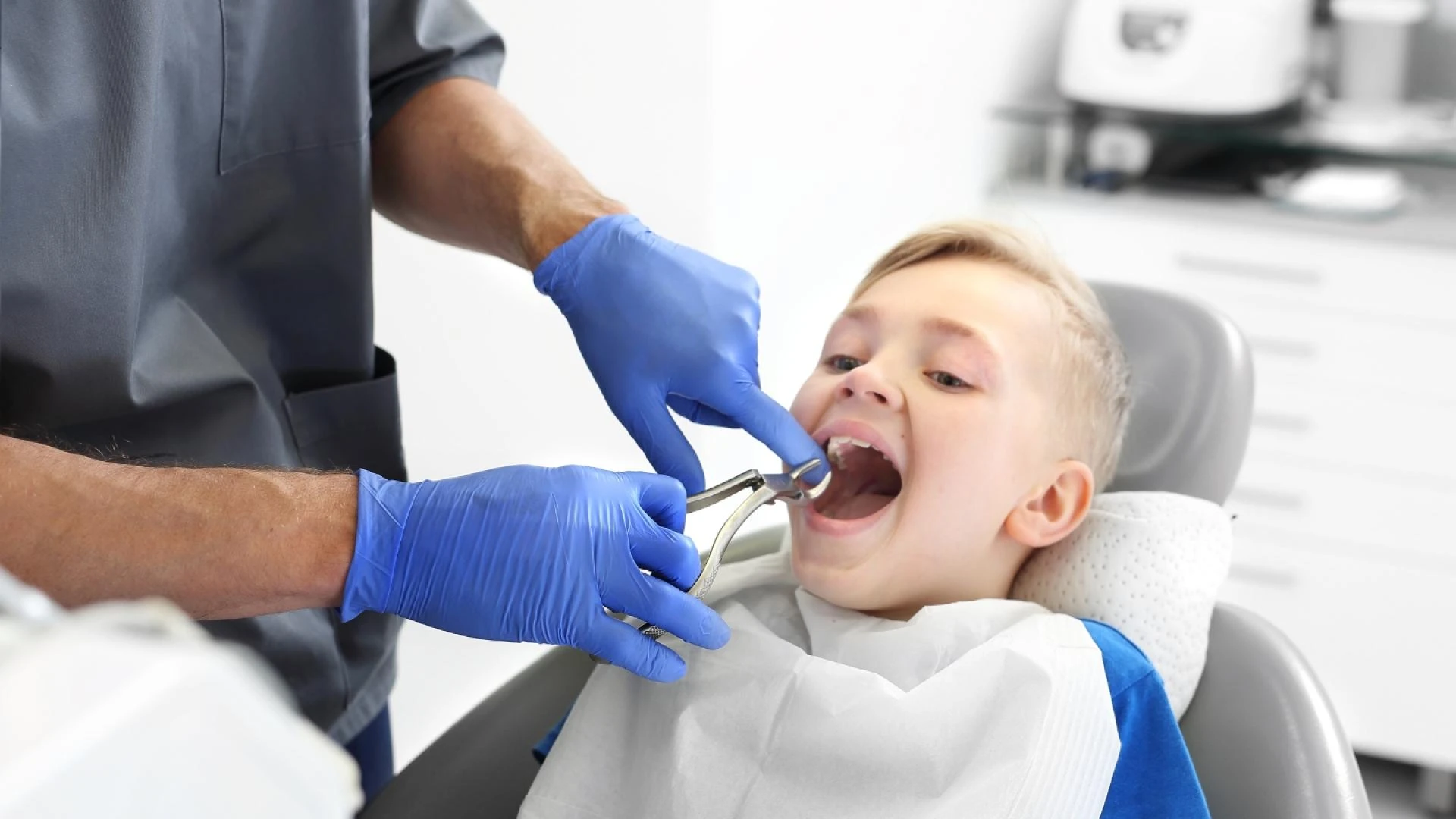
An orthodontic screening is simple and quick. Your child won't feel any pain. The orthodontist or a Glendale dentist will look at how teeth fit together when they bite down. They'll check how the upper and lower jaws line up.
X-rays might be taken to see how permanent teeth are growing under the gums. The dentist uses these images to spot potential problems early. They'll also look at spacing, crowding, and any teeth that might be sticking out too far.
The whole visit takes about thirty minutes. Your dentist will talk to you about what they see and whether your child might need treatment now or later. If everything looks normal, they'll recommend a follow-up visit in a year or so.
Signs Your Child Needs Early Screening Now
Some kids show clear signs that they might benefit from an early look. If your child has significant crowding, it's worth scheduling a visit. If their bite is very off, where the top teeth sit way ahead of the bottom teeth or vice versa, get them checked.
Other red flags include mouth breathing, problems chewing or speaking, or teeth that stick out noticeably. If your child had a thumb-sucking habit that lasted past age four or five, that can affect tooth position and bite.
Spacing problems matter too. If baby teeth have large gaps between them, sometimes permanent teeth won't have enough room. Finding this out early gives your dentist options for helping.
The Cost and Timeline Question
Parents often worry about timing because they think early treatment means years of braces. That's not usually how it works. Early screening identifies problems, but many kids don't need immediate treatment.
Some children benefit from early intervention with simple appliances or habit correction. Others just need monitoring. Your dentist will guide treatment only when it makes sense. Starting treatment too early can cause problems, so good dentists wait for the right moment.
Insurance often covers orthodontic screening, so the cost might be minimal. Some plans cover a portion of treatment if it's needed. Talk to your insurance company about coverage before your visit.
Finding the Right Professional
Look for a dentist in Glendale who has experience with young patients. Pediatric specialists understand how to work with kids and make them feel comfortable. Ask your family dentist for a referral if they don't handle orthodontics.
Check online reviews and ask other parents for recommendations. A good dentist will take time to explain what they see and answer your questions. They won't push treatment you don't need. A Glendale dentist with a solid reputation will focus on your child's long-term health.
Make sure whoever you choose is board-certified and has training in orthodontics. This training matters because evaluating young kids requires special skills.
What to Do Next
If your child hasn't had an orthodontic screening and they're around age seven, it's time to think about booking one. Don't wait until teeth are severely crowded or bite problems are obvious. Early action prevents bigger headaches later.
Most kids end up with better outcomes when they get screened early. Their treatment is often less intense, takes less time, and costs less money. That's the real benefit of starting young.
Common FAQs
1. When exactly should I book my child's first orthodontic screening?
Age seven is the ideal time, though anywhere from six to eight works fine depending on your child's development. Your family dentist can let you know if your specific child needs an earlier look.
2. Will my child definitely need braces if they get screened early?
No. Screening just evaluates where things stand. Many kids who get screened never need treatment or only need it years later.
3. Is early orthodontic treatment different from regular braces?
Yes. Early treatment might use spacers, habit-breaking devices, or light wire to guide growth. Full braces usually come later if needed.
4. What if I can't afford orthodontic treatment?
Discuss payment plans with your dentist. Some offices offer financing. Also check your insurance coverage. Starting with a screening is affordable and helps you plan financially.
5. Can early screening prevent future problems?
Early screening can't prevent all problems, but it catches issues early when solutions are simpler. Monitoring your child's development gives you more options.
6. What happens if I wait until my child is twelve?
You can always get screening at any age, but waiting until permanent teeth are all in limits options. Your dentist might recommend more complex treatment later.
7. How often does my child need follow-up appointments after screening?
Usually about once a year if no immediate treatment is needed. Your dentist will let you know the right schedule for your child.
Conclusion
Your child's smile is worth protecting. An early orthodontic screening is a simple, painless step that gives you real information about your child's dental future. You'll know exactly where things stand and what to expect ahead.
Don't put it off. If your child is approaching age seven or you've noticed tooth or bite issues, it's time to act. Schedule a consultation with an orthodontist or dentist in Glendale who works with young patients. You can also contact a local dental office to ask about pediatric orthodontic screenings and get recommendations for specialists in your area.
Your child deserves a healthy smile that lasts a lifetime. Start with that first screening and set them up for success.



























Sign in to leave a comment.