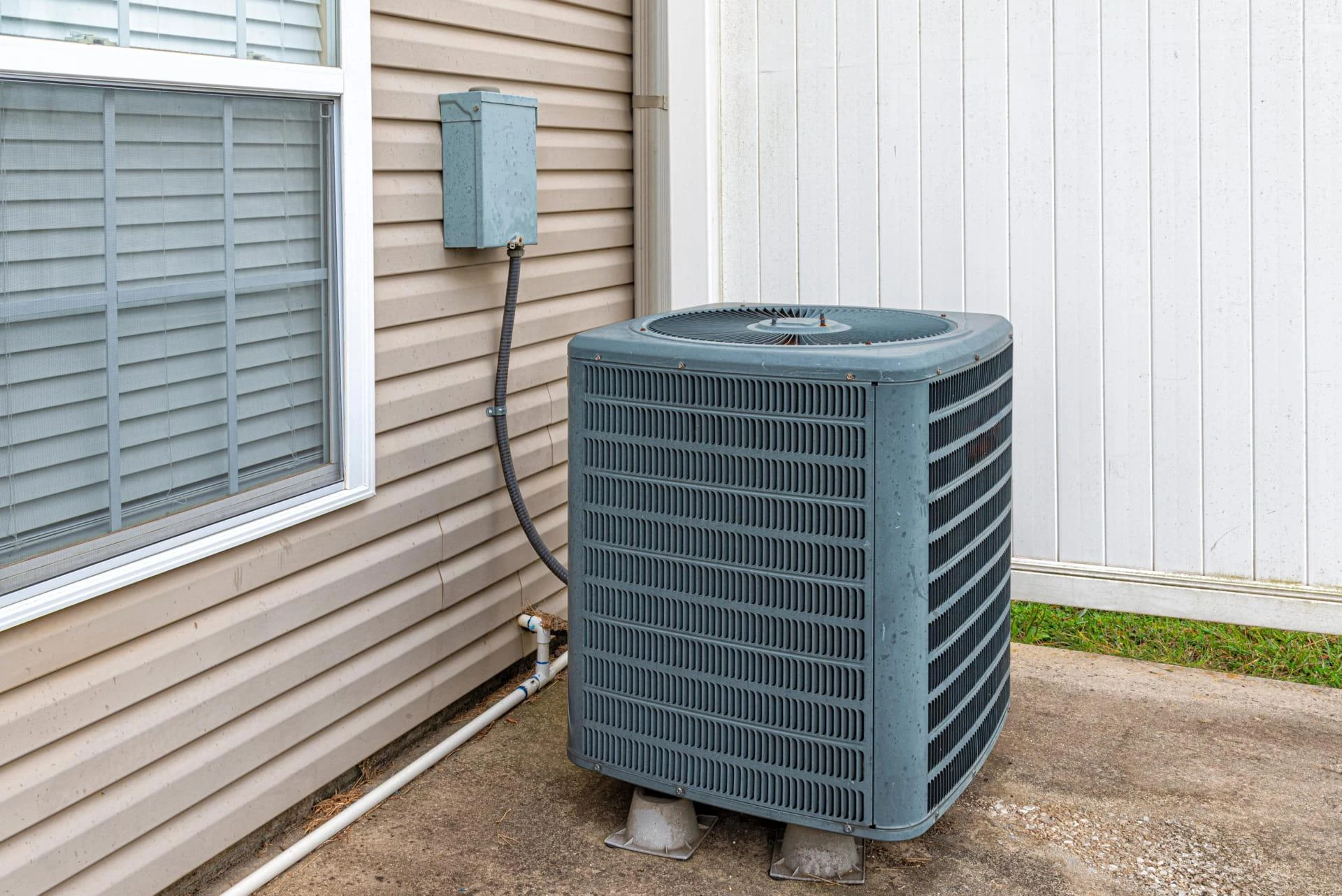

Cooling systems eventually reach a stage where simple fixes stop solving the real issue. Homeowners and business owners often reach a point where deciding whether to repair or replace an A/C system requires steady thinking instead of rushed action. Clear warning signs usually appear long before total failure happens. Tropical Air Kare often reminds property owners that confident choices come from comparing comfort, operating costs, and long-term dependability rather than reacting to one inconvenient breakdown.
Repair or Replace an A/C System Decisions
Real-world conditions usually clarify the decision faster than expected. A system that cools consistently but needs one targeted repair creates a very different situation than a unit that struggles every summer and requires repeated service visits. Many systems appear functional at first glance yet reveal deeper mechanical fatigue once tested. Careful evaluation prevents temporary fixes from turning into ongoing expenses.
- Short-term repairs compared to lasting outcomes
- Hidden wear discovered during professional inspections
- Repeating patterns that suggest internal decline
1. System Age Range
System age strongly influences whether repairs still make financial sense. Most residential A/C units operate for roughly 12 to 15 years, according to the U.S. Department of Energy, with efficiency slowly decreasing as parts age. Older systems can continue running but often lose reliability under heavy demand. Age alone does not require replacement, yet it shapes every future repair decision.
- Typical lifespan expectations
- Gradual efficiency reduction
- Higher likelihood of age-related failures
2. Repair Cost Threshold
Repair cost compared to overall system value provides a practical benchmark. Many technicians recommend pausing when a single repair approaches half the price of replacement. Larger fixes may restore cooling temporarily before another issue develops. Tracking repair patterns helps owners avoid spending more than the system can reasonably return.
- Repair expense versus equipment value
- Multiple costs within short time spans
- Difficulty forecasting future expenses
3. Frequency of Breakdowns
Breakdown frequency reveals more than the severity of a single failure. A system that needs service once every few years differs greatly from one that fails each cooling season. Repeated breakdowns usually indicate widespread wear rather than isolated problems. Consistent performance matters more than short bursts of operation.
- Ongoing service calls
- Shorter intervals between failures
- Reduced confidence in system reliability
4. Energy Efficiency Loss
Utility bills often reveal efficiency problems quietly. Rising air conditioning costs without lifestyle changes often point toward declining efficiency. The U.S. Department of Energy reports that aging cooling systems can consume noticeably more electricity than newer models. Rising costs without changes in daily habits often signal declining performance. Energy loss increases monthly expenses and places additional strain on internal components.
- Steady increases in power bills
- Reduced seasonal efficiency ratings
- Added workload on aging parts
5. Refrigerant Type Used
Refrigerant type plays a larger role in repair decisions than many realize. Older systems using phased-out refrigerants face limited availability and higher refill costs. The Environmental Protection Agency regulates refrigerant production and handling to protect air quality. Replacement becomes more reasonable once refrigerant sourcing becomes difficult or expensive.
- Outdated refrigerant classifications
- Limited supply availability
- Increasing refill expenses
6. System Performance Decline
Performance decline often appears gradually before becoming impossible to ignore. Uneven temperatures, longer cooling cycles, and weaker airflow signal reduced system capacity. Comfort suffers while mechanical stress increases. Repairs may offer short-term relief, yet ongoing decline often points toward replacement.
- Hot and cold spots indoors
- Longer run times to reach set temperatures
- Noticeably weaker airflow
7. Component Availability
Component availability affects both repair cost and downtime. Manufacturers eventually discontinue parts for older models, making repairs slower and more expensive. Limited access can leave systems offline longer during peak heat. Replacement often restores reliability when parts become scarce.
- Discontinued replacement components
- Extended repair wait times
- Increased labor difficulty
8. Home Cooling Needs
Cooling requirements change as properties evolve. Additions, renovations, or increased occupancy can push older systems beyond their original capacity. A unit sized years ago may struggle to meet current demands. Replacement allows cooling output to match today’s usage.
- Expanded living or working areas
- Changes in occupancy levels
- Higher comfort expectations
9. Installation Quality History
Installation quality affects lifespan more than many homeowners realize. Improper sizing, poor airflow design, or duct issues shorten system life and complicate repairs. Replacing the system often corrects long-standing performance problems. Installation history frequently explains repeated breakdowns.
- Incorrect equipment sizing
- Airflow design limitations
- Persistent operational concerns
10. Long-Term Cost Outlook
Long-term costs provide the clearest comparison. Air conditioner repair bills add up gradually, while replacement costs remain predictable. Maintenance demands increase as systems age and components weaken. Planning ahead often favors stability over ongoing short-term fixes.
- Accumulated repair spending
- Rising maintenance frequency
- Improved budget predictability
Repair or Replace an A/C System Review
Clear decisions come from understanding how these factors connect rather than viewing them individually. System age, efficiency loss, repair history, and performance trends work together. Evaluating patterns over time helps owners avoid emotional or rushed choices. Balanced analysis supports dependable comfort and stronger financial control.
Repair or Replace an A/C System Key Takeaways
- System age influences long-term repair value
- Frequent breakdowns often signal deeper wear
- Energy efficiency directly affects monthly costs
- Refrigerant type can limit repair options
- Long-term stability matters more than quick fixes













Sign in to leave a comment.