
Unusual noises above the ceiling or unfamiliar smells drifting through the home often suggest activity happening overhead. Wildlife frequently settles into attic spaces because the area offers warmth, darkness, and protection from predators, creating a sheltered refuge for animals searching for a quiet nesting spot. Recognizing early clues helps homeowners avoid expensive damage to insulation, electrical wiring, and wooden roof framing while also protecting indoor air quality. Seven signs wildlife might be living in your attic highlight patterns that wildlife specialists commonly encounter during inspections. Animal Round Up explains that early indicators often appear weeks before homeowners notice visible damage. “Soft scratching sounds, small roof gaps, or disturbed insulation typically appear long before the animal becomes visible,” their team says. “Recognizing those clues early allows humane removal to happen safely and prevents the situation from expanding.”
Early Clues of Wildlife in the Attic
Experienced wildlife removal technicians often encounter a similar situation during attic inspections. A homeowner hears faint scratching late at night and assumes the sound might be wind brushing the roof or wood shifting slightly with temperature changes, yet the noise gradually becomes louder until the source becomes difficult to ignore. A thorough attic inspection then uncovers nesting materials, droppings, and small roof openings that wildlife quietly used for several weeks before discovery. Wildlife entering attic spaces occurs more frequently than many homeowners expect. Data from the U.S. Census Bureau shows that a large percentage of American homes contain attic or crawlspace areas capable of attracting animals searching for sheltered nesting locations.
- Attics remain warm during cooler months and shaded during summer heat
- Roof vents and small structural gaps provide convenient entry points
- Insulation creates soft material that animals easily convert into nests
1. Scratching Noises in Attic
Soft scratching sounds often appear as the earliest signal that wildlife has settled overhead. Subtle movements may initially resemble tree branches brushing the roof or wooden framing adjusting with seasonal temperature changes, yet the pattern becomes clearer during nighttime hours when raccoons, squirrels, and rodents become active. The Centers for Disease Control and Prevention reports that rodents invade millions of homes each year while searching for food and protected shelter. Homeowners frequently hear quick scurrying followed by silence, then sudden scratching again as animals move through insulation and along attic rafters.
- Rapid scratching sounds may indicate squirrels or rats
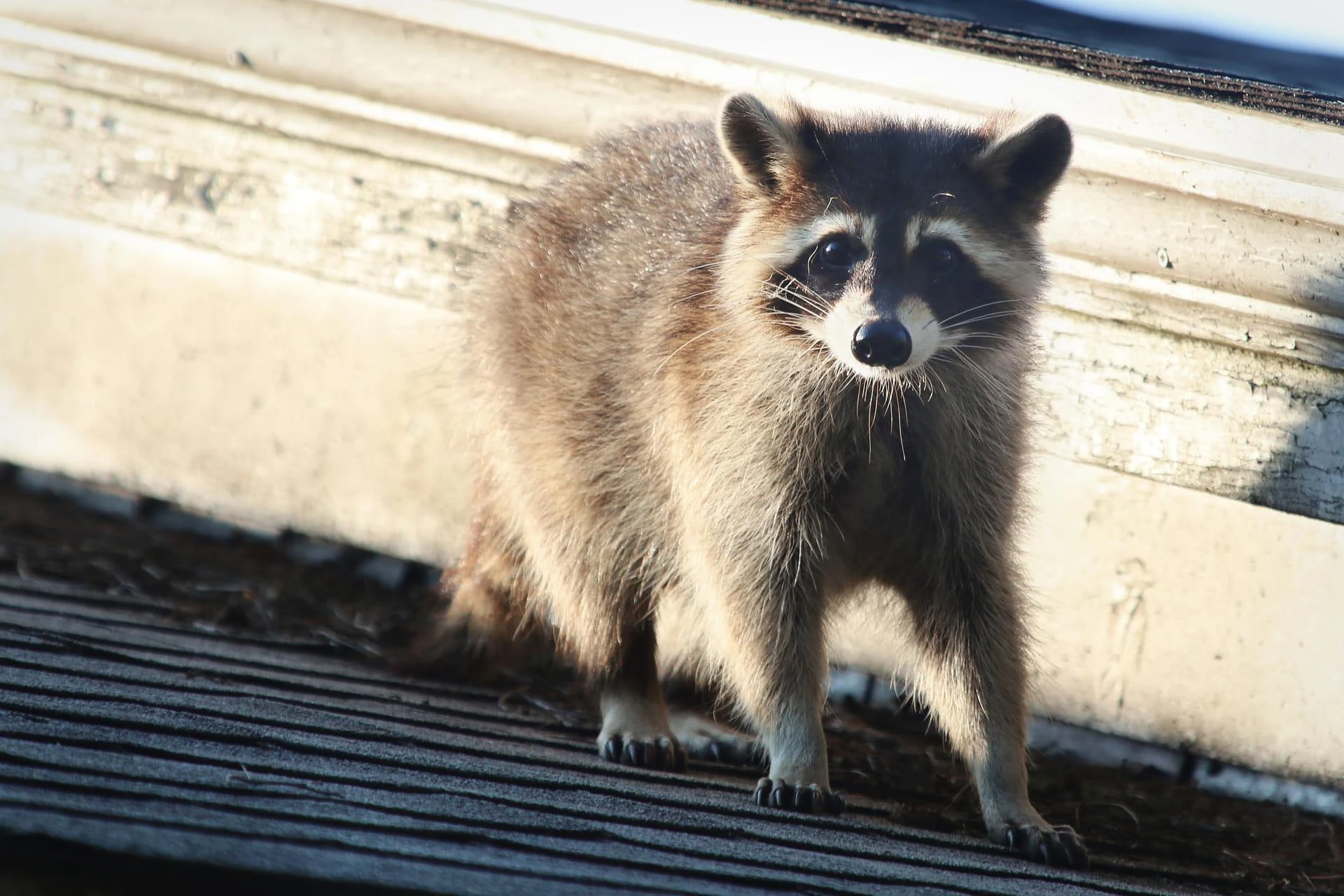
- Slow dragging noises sometimes suggest raccoon movement
- Nighttime activity increases with nocturnal wildlife species
2. Noticeable Movement Above Ceiling
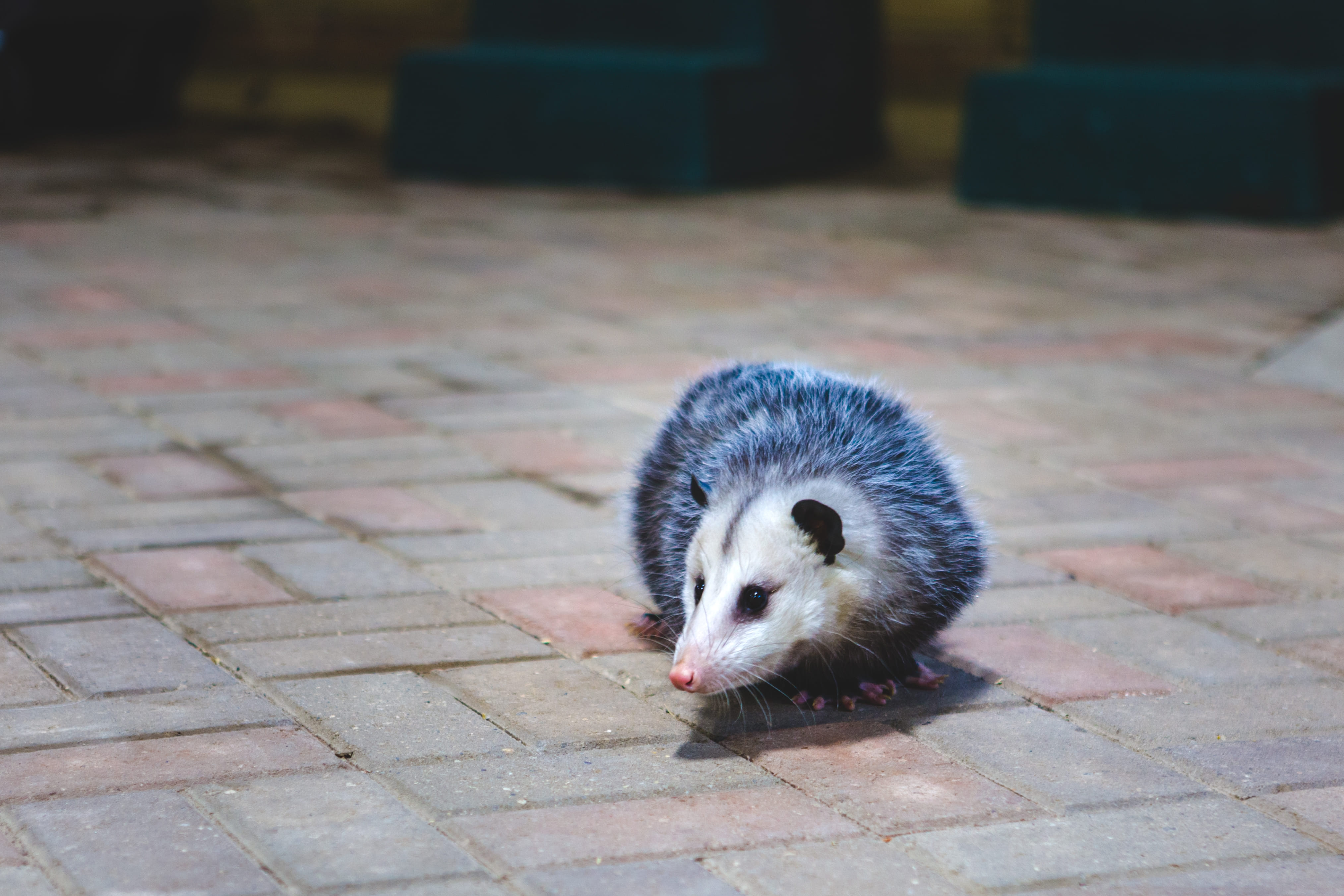
Clear footsteps across attic boards often signal the presence of larger wildlife species. Raccoons and opossums create heavier thumps as they walk along rafters or shift insulation while preparing nesting areas. A quiet house makes these sounds easier to recognize, especially late at night when surrounding noise fades away. Animal Round Up explains that homeowners sometimes mistake these sounds for plumbing movement or structural settling, yet the steady rhythm often reveals an animal traveling across the attic floor.
- Heavy steps may indicate raccoons or opossums
- Repeated movement usually occurs after sunset
- Larger animals often return to the same nesting location nightly
3. Persistent Attic Odors
Unpleasant odors drifting from ceiling vents or attic access panels frequently signal wildlife activity inside the roof space. Urine and droppings gradually accumulate and produce ammonia-like smells that seep through insulation and drywall. The Environmental Protection Agency warns that poor indoor air quality caused by animal waste can irritate respiratory systems and worsen allergy symptoms. Warm attic temperatures often intensify these smells because heat strengthens odor particles and spreads them through ventilation pathways.
- Sharp ammonia odors often indicate rodent activity
- Musty smells sometimes come from nesting materials
- Strong decay smells may indicate a deceased animal nearby
4. Damaged Roof Entry Areas
Roof edges often reveal how wildlife gained access to the attic. Small openings near roof vents, soffits, or chimney flashing can provide entry points for animals capable of climbing siding, fences, or nearby trees. The National Park Service explains that raccoons possess strong climbing abilities and can squeeze through surprisingly small openings while searching for shelter. Minor roof damage may appear harmless from the ground yet still allow animals repeated entry into attic spaces.
- Bent roof vents sometimes signal forced entry
- Chewed wood edges often indicate rodent activity
- Gaps near chimneys or fascia boards provide access routes
5. Droppings Found in Attic
Animal droppings scattered across insulation provide clear evidence that wildlife has been living inside the attic. Rodent droppings usually appear as small dark pellets while raccoon waste often collects in specific corners where animals repeatedly return. The Centers for Disease Control and Prevention warns that animal waste can carry harmful bacteria and viruses including hantavirus and leptospirosis. Direct contact with contaminated insulation can create health risks if protective equipment is not used during cleanup.
- Small pellet droppings often indicate mice or rats
- Larger droppings may belong to raccoons or opossums
- Waste clusters often appear near nesting areas
6. Disturbed Attic Insulation
Insulation damage frequently develops when wildlife begins nesting inside attic spaces. Rodents carve narrow tunnels through insulation while larger animals flatten wide sections as they move across the attic floor. The U.S. Department of Energy explains that damaged insulation reduces energy efficiency and allows heated or cooled air to escape through the roof. Utility costs may increase gradually while wildlife remains hidden above the ceiling.
- Tunnels in insulation often indicate rodent movement
- Flattened insulation suggests larger animals walking through
- Nest pockets often appear near warm roof surfaces
7. Nesting Materials in Attic
Leaves, twigs, shredded paper, and fabric scraps often appear in attic corners where animals construct nests. Wildlife gathers these materials from nearby yards, trees, and gutters before carrying them into roof spaces. Nesting activity increases during breeding seasons when animals prepare protected areas for raising offspring. Animal Round Up explains that visible nests often mean wildlife has occupied the attic for several weeks.
- Twigs and leaves commonly appear in raccoon nests
- Shredded insulation often indicates rodent nests
- Nests may contain baby animals during spring months
Recognizing Attic Wildlife Activity
Wildlife rarely announces its presence clearly, yet the signs usually appear if homeowners know where to look. Scratching sounds, roof damage, insulation disruption, and unusual odors reveal that animals may have settled into attic spaces long before anyone actually sees them. Government agencies including the CDC and EPA consistently warn about health risks associated with wildlife droppings, contaminated insulation, and structural damage. Early identification protects both the home and the animals themselves because humane capture and relocation can occur before the infestation grows. Professional animal control services specialize in locating entry points, safely capturing wildlife, and preventing future attic invasions through careful exclusion and humane relocation methods.
Key Takeaways Signs Wildlife Might Be Living in Your Attic
- Unusual scratching sounds often reveal animals exploring attic spaces
- Lingering odors may result from accumulated urine and droppings
- Roof gaps and vent damage frequently indicate wildlife entry points
- Disturbed insulation often signals nesting activity
- Nest materials show that animals have likely occupied the attic for weeks



























Sign in to leave a comment.