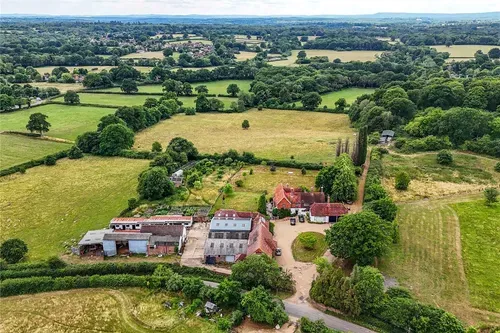

Buying an equestrian property is a major decision that requires careful consideration beyond the appearance of the house or the size of the land. A truly exceptional horse property should provide a safe, efficient, and comfortable environment for horses while also making daily management easier for owners. In 2026, buyers are increasingly searching for equestrian properties that combine modern facilities, sustainable land management practices, and adaptable spaces that can support changing equestrian needs. Whether the property is intended for private horse ownership, professional training, breeding, or recreational riding, certain features can make a significant difference in its long-term suitability.
1. High-Quality Grazing Land
The foundation of any successful equestrian property is healthy and well-managed grazing land. Good pasture provides horses with natural forage while supporting their overall wellbeing. Buyers should look for fields with suitable soil quality, effective drainage, reliable water access, and enough space for proper grazing rotation. Well-maintained land helps prevent overuse, improves pasture recovery, and creates a safer environment for horses throughout changing seasons.
2. Purpose-Built Stable Facilities
A well-designed stable area is one of the most important features of an equestrian property. Quality stables should offer good ventilation, natural lighting, safe flooring, secure doors, and comfortable spaces for horses. Practical layouts with easy access for feeding, cleaning, and monitoring horses can make everyday routines more efficient. Additional features such as tack rooms, grooming areas, and wash bays further improve the functionality of the property.
3. Secure Fencing and Organised Paddocks
Safe fencing is essential for protecting horses and managing grazing areas effectively. Great equestrian properties typically include strong, well-maintained boundaries and thoughtfully arranged paddocks. Multiple turnout areas allow owners to rotate grazing, manage pasture health, and separate horses when necessary. Secure gates and convenient field access points also make daily horse care safer and more manageable.
4. Professional Riding and Training Areas
A dedicated riding space adds considerable value to an equestrian property. Outdoor arenas, indoor schools, jumping areas, or training spaces allow owners to exercise and develop their horses without relying entirely on external facilities. When evaluating an arena, buyers should consider the quality of the surface, drainage, maintenance requirements, and suitability for their preferred riding activities.
5. Reliable Water and Utility Systems
Consistent access to water is essential for horse health and efficient property management. A well-planned equestrian property should include dependable water sources for stables, paddocks, and maintenance areas. Automatic watering systems, suitable drainage, electricity access, and practical utility connections all contribute to smoother daily operations and improved convenience for horse owners.
6. Adequate Storage and Outbuildings
Storage plays a crucial role in maintaining an organised equestrian property. Dedicated areas for hay, bedding, feed, equipment, and machinery help keep supplies protected and easily accessible. Barns, garages, workshops, and adaptable outbuildings provide valuable space for managing the practical requirements of horse ownership while keeping the property functional and tidy.
7. Easy Access for Horse Transport
Accessibility is a feature that should never be overlooked. A quality equestrian property should allow safe and convenient movement of horseboxes, trailers, veterinary vehicles, and delivery equipment. Wide entrances, suitable driveways, turning areas, and well-maintained access routes make transportation easier and reduce potential challenges during daily activities or emergencies.
8. Effective Drainage and Weather-Ready Design
Weather conditions can have a major impact on equestrian properties, particularly in areas with seasonal rainfall. Good drainage systems help maintain usable fields, arenas, and stable surroundings throughout the year. Modern buyers are increasingly interested in properties designed with climate resilience in mind, including solutions that reduce waterlogging, protect pasture quality, and support sustainable land management.
9. Access to Local Equestrian Facilities
The surrounding area is an important part of the overall equestrian lifestyle. Properties located near bridleways, riding clubs, competition venues, veterinary specialists, farriers, and feed suppliers provide greater convenience and opportunities. A strong local equestrian network can enhance the ownership experience by offering access to training, events, and essential services.
10. Potential for Future Development
A great equestrian property should be able to grow with its owner’s ambitions. Buyers should consider whether the land and existing facilities provide opportunities for future improvements, such as additional stables, expanded paddocks, upgraded training areas, or other equestrian features. Properties with flexibility allow owners to adapt the space as their needs evolve over time.
Choosing the right equestrian property for sale requires careful evaluation of both visible features and practical details. The best properties combine excellent land quality, safe horse facilities, efficient infrastructure, and future flexibility. By focusing on these essential elements, buyers can identify an equestrian property that not only meets their current requirements but also provides a sustainable and enjoyable environment for horses and owners for many years ahead.






















Sign in to leave a comment.