

London’s rental market is continuing to evolve as changing lifestyles reshape the way tenants choose where and how they live. Flexible working patterns, affordability pressures, and shifting priorities around comfort and convenience are all influencing rental demand across the capital. Many tenants are now making decisions based not only on location but also on overall quality of life, access to green spaces, property layout, and long term affordability.
As a result, landlords are increasingly adapting their strategies to reflect changing tenant expectations. Understanding how lifestyle trends are affecting rental demand may help landlords maintain stronger occupancy levels and improve long term property competitiveness.
Flexible Working Continues to Influence Tenant Priorities
Hybrid and remote working continue to affect how renters evaluate properties across London. Many tenants no longer need to commute into Central London every day, allowing them to prioritise larger homes, quieter neighbourhoods, and improved living environments over immediate proximity to office districts.
This shift has encouraged stronger demand in outer boroughs where tenants may find more space and better affordability. Properties offering additional rooms, home working areas, and outdoor space are becoming increasingly attractive to professionals balancing work and personal life from home.
Flexible working has also increased tenant interest in neighbourhood amenities such as cafes, parks, gyms, and local shopping areas that support day to day convenience outside traditional commuting patterns.
Lifestyle Quality Is Becoming More Important
Many renters are placing greater importance on lifestyle quality when choosing a home. Rather than focusing purely on rental price or postcode prestige, tenants are increasingly considering whether a property supports long term comfort and practicality.
Natural light, quieter surroundings, storage space, energy efficiency, and access to outdoor areas are all becoming more influential factors in rental decisions. Properties that support healthier and more flexible lifestyles may therefore attract stronger tenant demand. As tenants spend more time at home, expectations around overall property condition and comfort are also continuing to rise.
Outer Boroughs Are Attracting Growing Interest
Lifestyle changes are contributing to stronger rental demand across several outer London boroughs. Areas with improved transport links, green spaces, and comparatively lower rental prices are becoming increasingly popular among professionals and families.
Many tenants are now willing to accept slightly longer commuting times in exchange for larger homes and improved living conditions. This trend is particularly noticeable in areas benefiting from regeneration projects and infrastructure investment.
Some landlords are also using full managed letting services to help coordinate tenancy management, maintenance scheduling, and communication more efficiently across properties located in multiple boroughs.
Tenant Expectations Around Property Features Are Changing
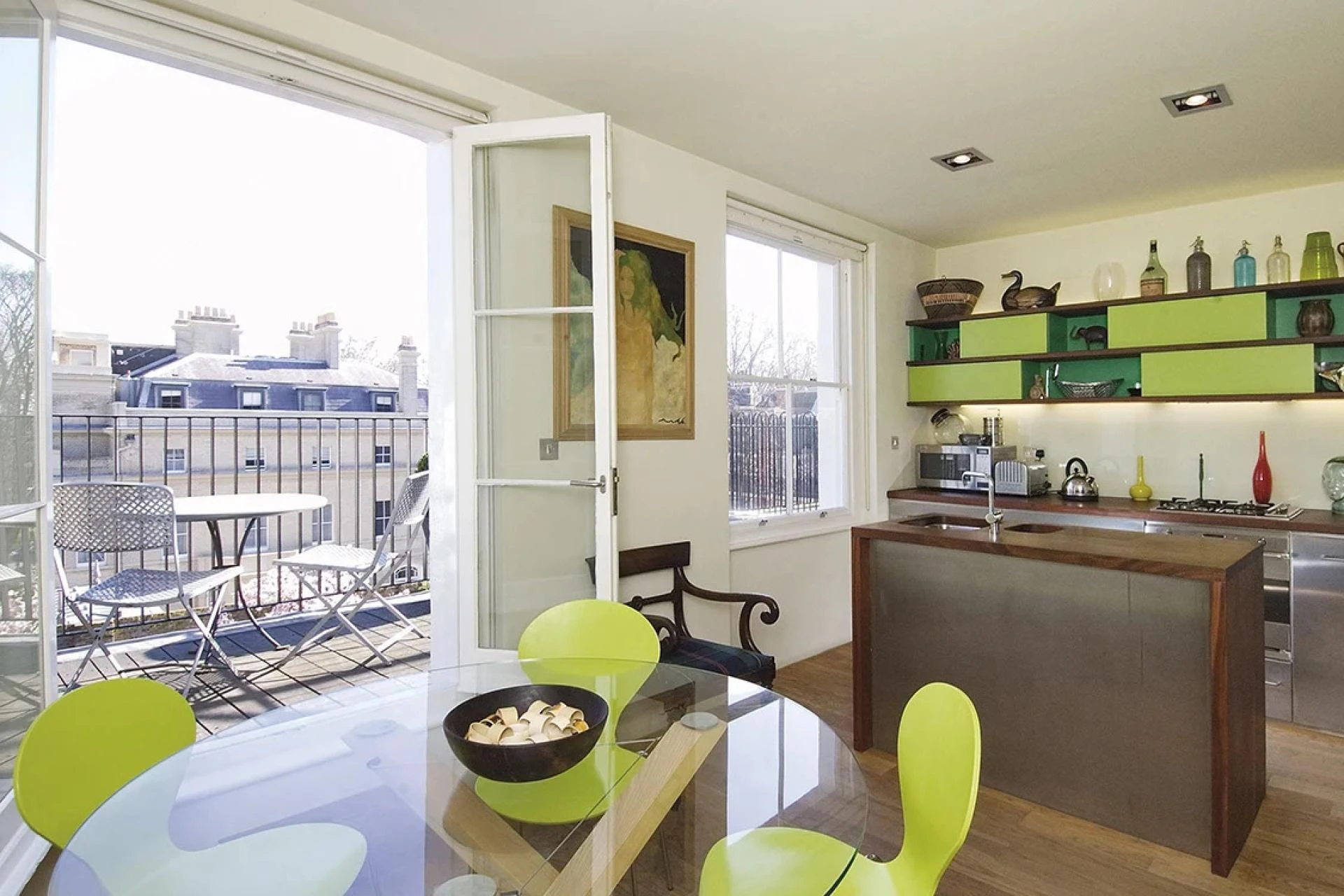
Modern renters are becoming more selective about the features they expect within rental properties. Flexible layouts, reliable internet connectivity, modern kitchens, efficient heating systems, and functional storage space are increasingly viewed as essential rather than optional.
Properties that fail to meet evolving expectations may struggle to compete even within busy rental markets. Tenants are often comparing multiple homes carefully before committing to long term agreements. Landlords who invest gradually in practical upgrades may improve tenant satisfaction while maintaining stronger competitiveness within changing market conditions.
Green Spaces and Local Amenities Are Influencing Demand
Access to parks, walking areas, cafés, and community amenities is becoming increasingly important to many tenants across London. Flexible working patterns have encouraged renters to spend more time within their local neighbourhoods, increasing the value placed on surrounding lifestyle facilities.
Properties located near green spaces or well developed local centres may therefore experience stronger demand from tenants prioritising work life balance and overall wellbeing. Neighbourhood atmosphere and convenience are now playing a larger role in rental decisions than they did previously.
Affordability Continues to Shape Lifestyle Choices
Although lifestyle priorities are evolving, affordability remains a major factor influencing rental demand across London. Many tenants are balancing the desire for larger or better located homes against rising living costs and utility expenses.
As a result, renters are increasingly comparing the overall value offered by different properties rather than focusing solely on headline rental prices. Energy efficiency, transport access, and running costs all contribute to how tenants assess affordability.
Some landlords are relying on full managed letting services to help maintain properties efficiently while supporting tenant retention during periods of economic uncertainty and rising costs.
Technology Is Supporting Lifestyle Flexibility
Technology is also influencing how tenants interact with the rental market. Virtual viewings, online communication platforms, and digital tenancy processes are helping renters search across wider areas more easily before making relocation decisions.
At the same time, home internet quality and digital connectivity have become increasingly important property features due to ongoing remote working arrangements. Landlords who understand these changing expectations may be better positioned to attract modern tenants seeking flexibility and convenience.
Long Term Tenant Retention Is Becoming More Valuable
As lifestyle preferences evolve, tenants are increasingly seeking stability and comfort within rental homes that support their changing routines. Properties that provide practical layouts, strong maintenance standards, and responsive management may encourage tenants to remain longer.
Long term occupancy is becoming particularly valuable for landlords managing rising ownership costs and operational expenses. Retaining reliable tenants may help reduce vacancy risks and improve overall financial consistency.
Landlords are increasingly adapting to changing market conditions, while Property management in London is becoming more focused on tenant experience, preventative maintenance, and operational efficiency.
Looking Ahead at the London Rental Market
Lifestyle changes are likely to continue shaping London’s rental market throughout 2026 and beyond. Flexible working, affordability pressures, and growing interest in quality of life are all influencing how tenants evaluate properties and neighbourhoods across the capital.
Landlords who understand these trends may place themselves in a stronger position to respond to evolving tenant expectations. Maintaining well presented, practical, and efficiently managed properties may become increasingly important as competition continues shifting across different boroughs.
As the market develops further, lifestyle driven demand is expected to remain one of the most influential factors affecting rental patterns throughout London.



















Sign in to leave a comment.