

You have seen the photos. A glass pod perched above a valley, morning light flooding through the windows, clouds drifting past at eye level. It looks like something from a film set.
The good news is that it is real. Sky pod stays are exactly what they appear to be. The even better news is that they are more accessible than most people assume. But like any travel experience worth having, they reward a little preparation.
If you are seriously thinking about booking one, this guide covers everything that matters before you hit confirm.
What a Sky Pod Stay Actually Involves
Let us start with the basics, because there is a lot of variation in how these properties are marketed and what they actually deliver.
A sky pod is an elevated accommodation unit, usually built from glass, timber, and steel, designed to give guests an immersive connection to the surrounding landscape. The emphasis on "elevated" is not just physical. The entire experience is designed to lift you out of your usual routine and put you somewhere that demands your full attention.
Most sky pod retreats share a common set of features:
- A compact, carefully designed living space with floor-to-ceiling glass panels
- A sleeping area positioned to face the primary view
- A private outdoor deck or terrace, usually with seating and sometimes a hot tub
- An off-grid or low-impact energy and water system
- A location chosen specifically for its natural setting, whether forest, cliff, valley, or open hillside
What they generally do not include: a restaurant downstairs, a concierge desk, room service, or other guests within earshot. That absence is deliberate. It is part of what makes these stays different.
Choosing the Right Location for Your Stay
Location is the most important decision you will make when booking a sky pod. The pod itself may be beautiful, but a mediocre setting will undermine the experience no matter how good the interior design is.
The best sky pod locations share a few qualities. They have an unobstructed view from the primary window. They sit far enough from roads and towns that light and noise pollution are minimal. And they have a natural character that changes through the day, across seasons, and in different weather.
Forest settings offer a canopy experience that is particularly atmospheric in early morning and after rain. Hill and cliff locations give wider horizons and often the most dramatic sunrise and sunset views. Valley positions can feel sheltered and private, especially in mist. Each type produces a different emotional experience, and your choice should reflect what you are actually looking for from the stay.
Research matters here. Look at guest photos taken across different times of day and different weather conditions. Read recent reviews that mention the view specifically. If the listing only shows professional photography taken in optimal conditions, message the property and ask directly what the view looks like on an ordinary overcast day. A good operator will answer that question honestly.
Seasons, Weather, and When to Go
Sky pods sit in elevated or exposed locations. That makes them weather-sensitive in ways that a city hotel simply is not.
The right season depends entirely on your chosen location and what you want the experience to feel like. There is no single best time. But there are better and worse times for different goals.
For clear skies and star-gazing: Choose shoulder seasons. Late spring and early autumn often deliver stable weather without the peak summer crowds. Humidity is lower, skies are clearer, and the light has a particular quality that photographers describe as perfect.
For dramatic atmosphere: Winter stays in forest or hillside pods can be extraordinary. Frost on the glass, low cloud moving through the trees, a heated interior that feels even warmer by contrast. This requires a property with good insulation and heating, so check those details specifically before booking a cold-weather stay.
For lush green surroundings: Monsoon shoulder periods in tropical locations deliver vivid colour and the sound of rain on glass, which many guests find deeply relaxing. Avoid the heaviest rain weeks, but do not dismiss the wet season entirely.
For wide, open views: Late autumn through early spring in temperate climates often strips trees of their leaves, opening up longer sight lines across valleys and hillsides that summer foliage would block.
Whatever season you choose, check the property's weather notes. Most good retreats publish practical guidance on their best and trickiest months. If that information is not available, it is worth asking before booking.
Access, Arrival, and What to Expect on the Way In
Getting to a sky pod is rarely as simple as pulling into a car park. That is part of the appeal, but it is also something to plan for carefully.
Some retreats involve a short walk on a well-maintained path. Others require a steeper hike, a cable car ride, a boat crossing, or an off-road vehicle transfer. The property listing should make this clear, but the details are not always prominently displayed.
Before you book, find out:
- How long the access route takes. Not just the distance, but the realistic time for someone carrying luggage in variable weather conditions.
- Whether the access is suitable for your physical condition. Some routes involve uneven terrain, steep gradients, or significant elevation gain. Be honest with yourself about this before you commit.
- What happens with your luggage. Many retreats have a separate system for moving bags, especially if the guest access route is on foot. Knowing this in advance saves the stress of arriving with a heavy suitcase and no plan.
- What time check-in is available. Remote locations sometimes have narrow check-in windows. Arriving outside that window can mean waiting in an exposed location with no facilities.
- What happens in bad weather. Ask directly what the retreat's protocol is if access becomes unsafe due to rain, ice, or high winds. Good operators have a clear answer.
What to Pack for a Sky Pod Stay
Packing for a sky pod is different from packing for a hotel stay. Space inside the pod is limited. Access routes often restrict luggage size. And the natural setting creates specific needs that a city hotel would handle automatically.
Pack light. A compact bag is easier to carry and easier to store. Most sky pod interiors have minimal storage, by design. You do not need much, and bringing too much disrupts the simplicity of the space.
Layer your clothing. Temperatures at elevation change quickly between day and night. Even in summer, evenings can be significantly cooler than afternoons. A good mid-layer and a windproof outer shell will cover most conditions.
Bring a torch or headlamp. Pod exteriors are often unlit at night to preserve the dark sky experience. Getting from your deck back inside in the dark is much easier with a light source. Most retreats recommend this but forget to say it prominently.
Download entertainment and reading material in advance. Many pods have limited or no connectivity. If you want music, podcasts, films, or books, have them ready offline before you arrive.
Bring any medications or personal items you cannot do without. There is no pharmacy nearby. There is often no quick way out if you forget something important.
Understanding What Luxury Means in This Context
The word luxury appears in almost every sky pod listing. It is worth being clear about what it means here, because it is not the same as luxury in a city hotel context.
Sky pod luxury is about quality and intention, not volume and excess. The bed linen is premium. The materials in the bathroom are considered. The view from every window was chosen with care. The silence is real.
What it is not: room service at midnight, a minibar stocked with twelve options, a spa on the floor below, or a concierge who can arrange a restaurant booking. That kind of luxury belongs to a different type of property.
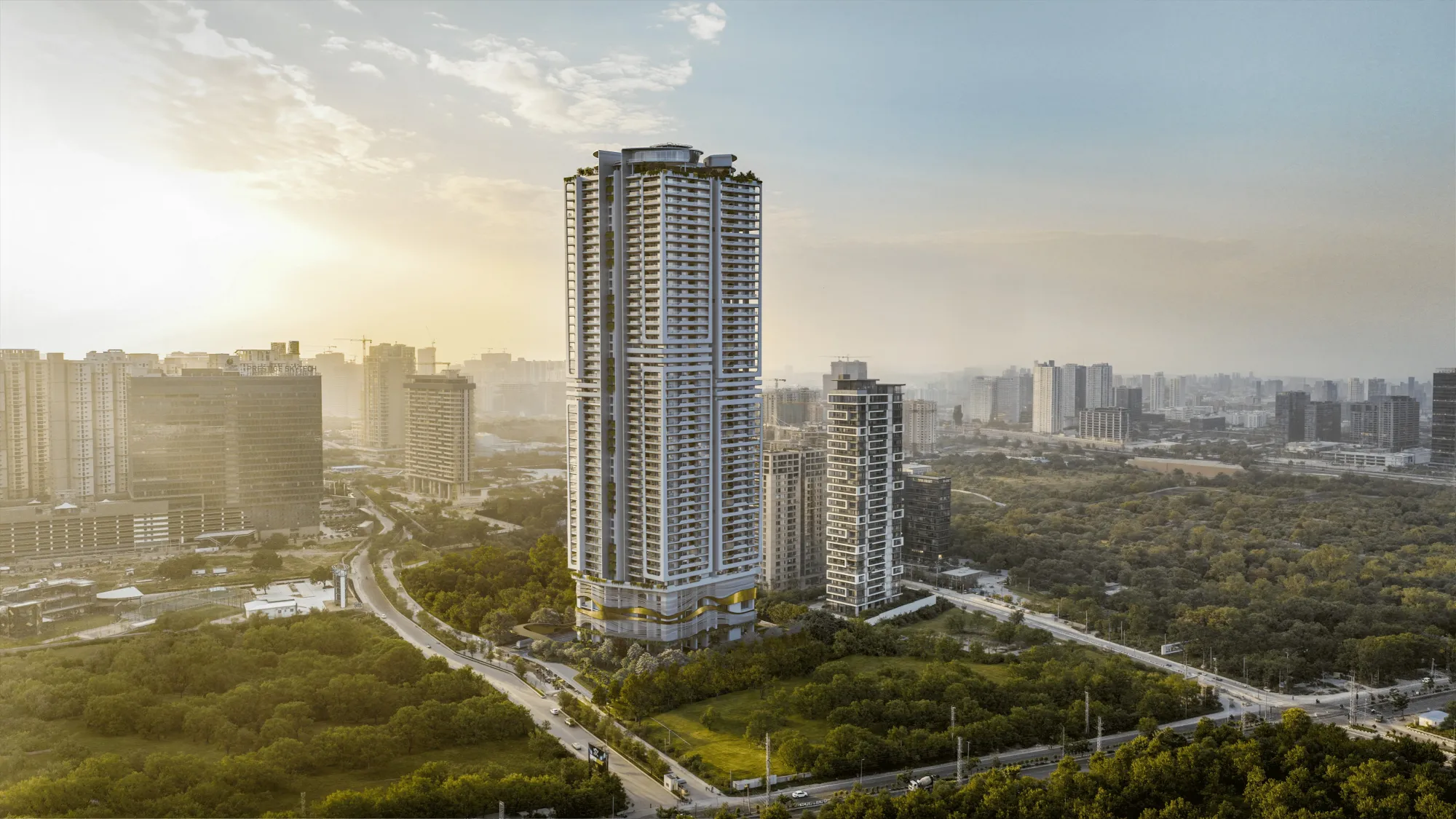
People who live in and appreciate luxury apartments for sale in Financial District settings already understand this distinction well. They know the difference between a space that has been designed with genuine care and one that has simply been fitted with expensive fixtures. Sky pod retreats operate on the same principle. Every detail has a reason. Nothing is included just to fill space.
If your idea of luxury involves being looked after at scale, manage expectations before you book. But if your version of luxury is a perfectly placed bed, a spectacular view, total quiet, and two nights of genuine rest, a sky pod will exceed what you were hoping for.
Questions to Ask Before You Confirm the Booking
Before committing to any sky pod retreat, run through this checklist:
- What is included in the rate? Meals, transfers, guided experiences, firewood, and welcome provisions vary widely.
- Is the pod insulated and heated for cold nights? This matters even in summer at altitude.
- What is the cancellation policy? Weather-related access issues are a real possibility. Know your options if plans change.
- Is there mobile signal or Wi-Fi? If you need to stay contactable, confirm this before booking rather than assuming.
- What is the emergency contact and access protocol? Every good retreat has one. If they cannot answer this clearly, take it as a sign.
- Are pets allowed? Some retreats welcome them. Others do not.
- Is the pod accessible for guests with limited mobility? If relevant, ask for specific detail rather than relying on the listing description.
Conclusion: The Preparation Makes the Experience
A sky pod stay is not complicated. But it rewards guests who arrive prepared. The properties that work best are the ones where guests have chosen well, packed smartly, and come with an open mind about what luxury in a natural setting actually delivers.
When you get it right, the experience is hard to match. Waking up above the clouds, with light flooding through glass and nothing between you and the horizon, is a specific kind of morning that stays with you long after the trip ends.
That is what you are booking. It is worth getting the details right.


















Sign in to leave a comment.