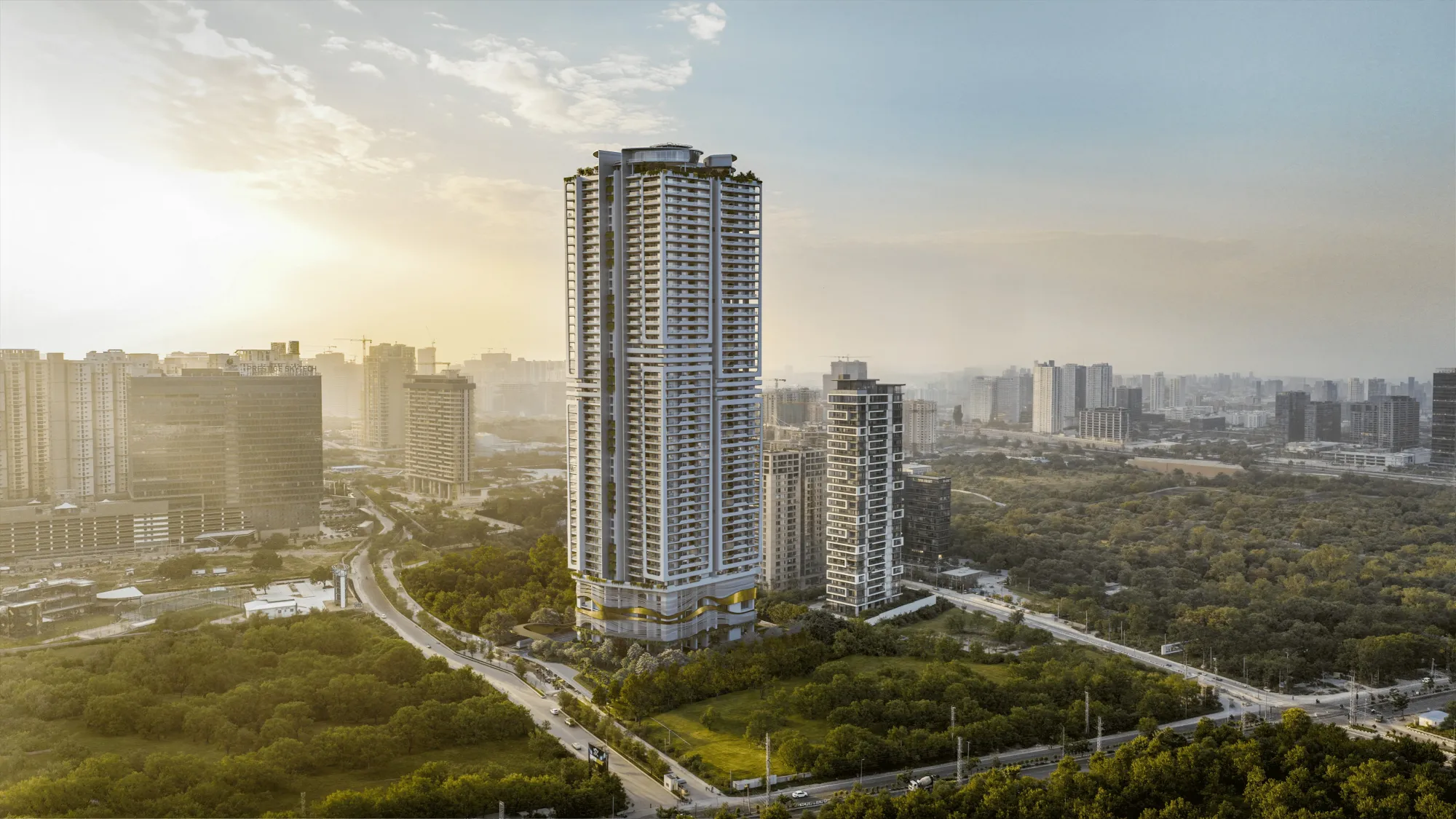

By a Senior Urban Communities & Real Estate Writer | 9-min read
Most people think of a home as a private thing. Four walls, a front door, your own space. What happens beyond it is someone else's business. Sky pod communities are built on a different idea entirely.
These vertical neighbourhoods — clusters of compact, high-rise residential pods grouped around shared spaces, shared infrastructure, and a shared way of living — are changing what urban community looks like. They sit high above street level. They concentrate some of the most engaged, purposeful urban residents in any city. And they're growing fastest in exactly the places where community has historically been hardest to build: dense financial districts, where people live close together but rarely connect.
If you're weighing up apartments in financial district locations and wondering whether a managed sky pod tower offers more than just a convenient address, this article answers that question directly. Community is one of the most underrated parts of the sky pod story — and it's worth understanding properly before you decide.
What Makes a Sky Pod Community Different From a Regular Apartment Building
Walk into a standard apartment building in any major city and the social dynamic is immediately clear. People pass each other in the lobby, avoid eye contact in the lift, and disappear behind closed doors. Floors are stacked on top of each other but residents rarely interact beyond a brief nod. The building is a container for private lives — nothing more.
Sky pod communities are designed differently from the ground up. The architecture itself creates conditions for connection rather than isolation.
Shared rooftop terraces sit above the residential floors, giving residents outdoor space and a reason to be in the same place at the same time. Co-working lounges on mid-building floors mean remote workers don't spend all day behind a closed door — they work alongside neighbours in a space built for focus and quiet collaboration. Communal kitchens and dining areas on certain floors allow residents who want company at mealtimes to find it without leaving the building.
These aren't amenities in the traditional sense. They're social infrastructure. They create natural, low-pressure opportunities for residents to meet and interact without anyone having to organise anything or knock on a stranger's door.
The result, in well-designed sky pod communities, is a building where people actually know each other. Where a neighbour two floors up can tell you which local restaurant just opened. Where someone from the co-working floor offers to cover your parcel delivery when you're travelling. Where the building feels like a place rather than just an address.
The People Who Make Up Sky Pod Communities
Understanding a community means understanding who lives in it. Sky pod communities in financial districts have a fairly consistent resident profile — not because of any formal selection, but because the lifestyle attracts a particular type of person.
Remote and hybrid professionals make up a large share of residents. These are people whose work is location-flexible — consultants, writers, designers, software developers, finance professionals working partially from home. They choose financial district sky pods for the infrastructure, the building amenities, and the proximity to clients and colleagues. They're typically present in the building during working hours, which means the co-working spaces and communal areas stay consistently active.
In-office professionals from nearby financial firms represent another significant group. For these residents, the ten-minute walk to work is the primary draw. They use the building mainly for rest and recovery — early mornings, evenings, and weekends. Their schedules are predictable, which creates a reliable rhythm to building life.
International residents and frequent travellers are a third consistent presence in sky pod communities. The managed building model — with concierge services, reliable maintenance, and secure access — works exceptionally well for people who are regularly away. They appreciate a home that doesn't demand constant attention and a building where other residents look out for each other's space.
What these groups share, despite their different schedules and backgrounds, is a common set of values: efficiency, quality over quantity, respect for shared spaces, and an appreciation for a home that supports rather than complicates daily life. That shared baseline makes community feel natural rather than forced.
Shared Spaces: The Backbone of Sky Pod Community Life
The quality of shared spaces in a sky pod community determines the quality of community life. Badly designed common areas sit empty. Well-designed ones become genuine hubs — places residents actually choose to spend time in rather than pass through quickly.
The best sky pod towers in financial districts get this right in consistent ways.
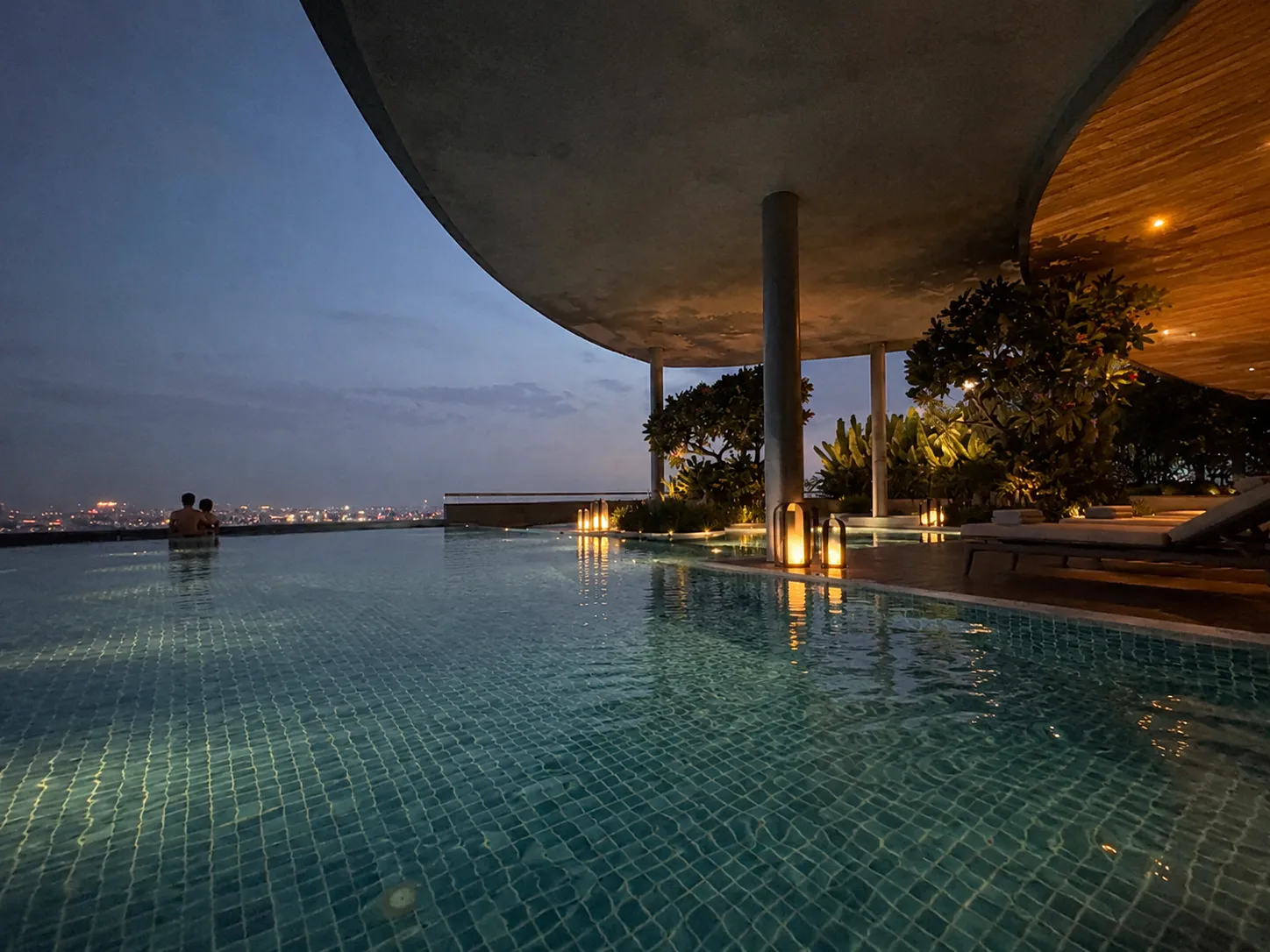
Rooftop terraces that offer real outdoor space — not just a narrow walkway with a railing — become the social centre of the building during warmer months. Residents use them for morning coffee, evening wind-downs, casual conversations, and occasional organised events. The combination of height, open sky, and city views makes these spaces genuinely special in a way that ground-level amenities rarely match.
Co-working floors work best when they're designed with both focus and interaction in mind. Quiet zones for deep work sit alongside open areas for casual conversation and collaboration. Good coffee, reliable internet, and enough variety in seating options mean residents choose to work here rather than feeling they have to.
Building events and notice boards — whether physical or digital — keep the community informed and give residents low-commitment ways to connect. A weekly coffee morning, a monthly building social, a shared notice board where residents post recommendations, offers, and requests. These small touchpoints build familiarity over time in ways that eventually feel like genuine community rather than organised interaction.
Parcel management and shared logistics matter more than people expect. A well-run parcel room, a shared tool library, a building app where residents can request help or offer skills — these practical systems create daily micro-interactions that steadily build connection between people who might otherwise never speak.
Community Life in a Financial District: What the Location Adds
The neighbourhood context of a sky pod community shapes it as much as the building itself. Financial districts provide a specific kind of urban backdrop that suits sky pod communities well.
The density of options within walking distance — restaurants, coffee shops, parks, transport hubs, cultural spaces — means that community life extends beyond the building walls. Residents from the same tower regularly run into each other at the same cafe, use the same lunch spots, and pass each other on the same morning walk to work. That repeated, low-key contact is one of the most effective ways community forms in city environments.
Apartments in financial district locations also tend to attract residents with similar professional rhythms. Most are on weekday schedules. Most work long hours. Most value their downtime and respect that others do too. That shared understanding of how to live alongside busy professionals creates a building culture that feels considerate without being cold.
Weekend life in financial district sky pod communities has its own character. The area quietens significantly when offices close — which means residents get a version of the neighbourhood that most people who work there never see. Empty streets, open space, the city at a slower speed. Residents describe weekends in these areas as one of the more unexpected pleasures of the location.
How Sky Pod Communities Compare to Traditional Apartment Buildings
It's worth making this comparison directly, because the difference is more significant than it might appear on paper.
In a traditional apartment building — even a well-managed one — the building is passive. It houses people. It provides shelter, storage, and basic facilities. What residents do with their time and who they connect with is entirely up to them, with no structural support for community whatsoever.
A sky pod community is active. The building is designed to create conditions for connection without forcing it. Residents have genuine choices about how much they engage — from fully private living to daily involvement in communal spaces — and the building supports all points on that spectrum without pressure.
The practical differences residents notice:
- Moving in feels different. In a sky pod community, you're likely to meet several neighbours within the first week through shared spaces. In a standard apartment block, you might go months without knowing anyone by name.
- Problems get solved faster. When residents know each other, practical issues — a faulty appliance, a late parcel, a question about local services — get resolved through the community as often as through formal building management.
Leaving feels harder. Residents in sky pod communities consistently report that the community itself becomes a reason to stay. The flat might be easy to leave. The people and the rhythm of the building are less easy to walk away from.
What to Look for When Choosing a Sky Pod Community
Not all sky pod buildings deliver on the community promise. Some have the architectural features without the management culture that brings them to life. Here's what to assess carefully before choosing flats in financial district sky pod communities:
- Occupancy levels. A half-empty building doesn't generate community. Ask about current occupancy rates and whether the building has a stable resident base or high turnover.
- Management engagement. Does building management actively facilitate community events and communication, or are they purely reactive to maintenance requests? The difference is significant.
- Quality of shared spaces. Visit the rooftop terrace, the co-working floor, and the communal kitchen during the day. Are they being used? Are they well maintained? Empty, neglected common areas are a clear sign of a community that isn't functioning.
- Resident mix and stability. A building with too many short-stay residents — people on one or two month leases — won't develop genuine community. Look for buildings where most residents are on 6-month leases or longer.
- Digital community tools. Does the building have an app or platform where residents communicate? Active digital community boards indicate an engaged resident base, not just a managed one.
- Building culture signals. Small things tell you a lot. Are the shared spaces personalised with plants, notice boards, and resident-added touches? Or do they look exactly as the developer left them? The former signals active residents. The latter suggests passive ones.
Conclusion
Sky pod communities are proving that high-density urban living doesn't have to mean isolation. The buildings being built and filled right now in financial districts around the country are demonstrating that compact, elevated living — when designed with community in mind — creates genuine connection between neighbours in a way that traditional apartment buildings rarely manage.
For professionals looking at flats in financial district towers, the community dimension of a sky pod building is worth weighing as seriously as the flat itself. The right building, in the right location, with the right resident culture, can give you something that no amount of square footage delivers on its own: a real sense of place and belonging in the middle of one of the most demanding urban environments in any city.
The sky is no longer just a backdrop. In the best sky pod communities, it's a shared home — experienced daily by people who chose it deliberately, and who are building something genuine together above the ground.























Sign in to leave a comment.