

Introduction
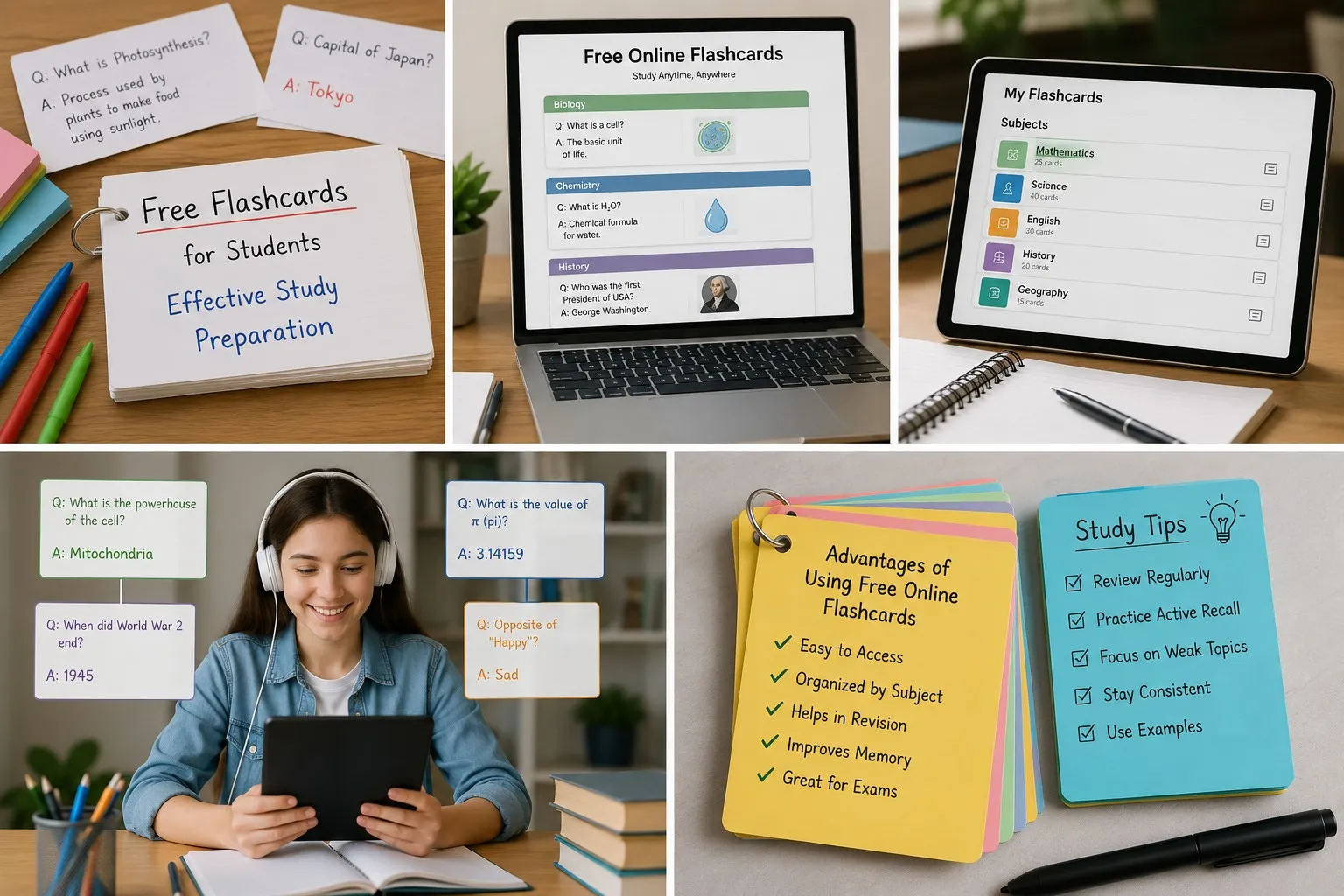
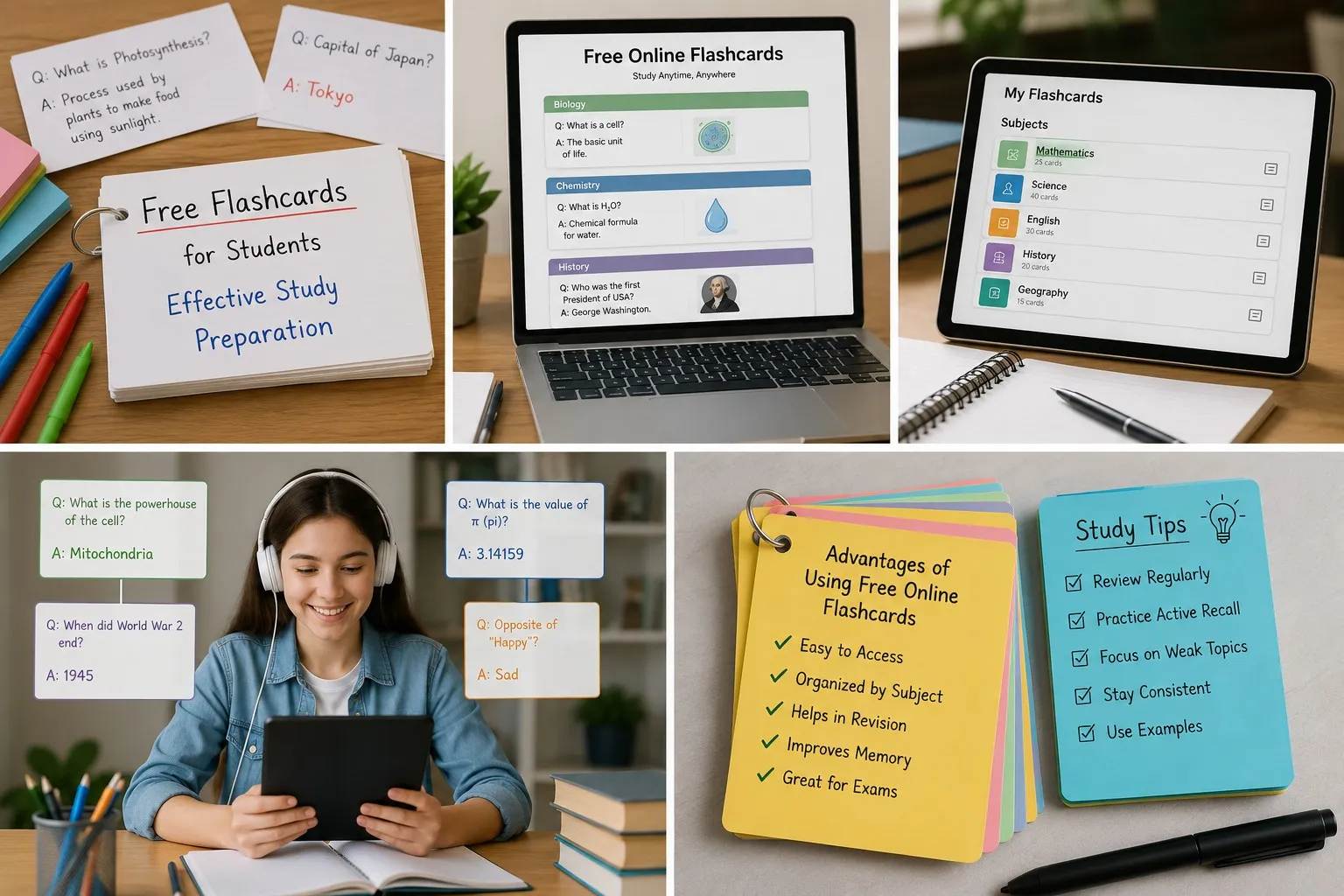
Students often spend a lot of time preparing notes before they can even start studying. A well-designed flashcard template can solve this problem by providing a simple structure for questions, answers, definitions, and key facts. Instead of creating every study card from scratch, learners can follow a consistent format and focus more on understanding the material.
Flashcards are useful for many subjects, including languages, science, mathematics, history, and professional training. With digital tools such as FlashCard AI, students can create, organize, and review study materials more efficiently.
This guide explains what a flashcard template is, why it is useful, how to create one, and how to use it effectively for better learning.
What Is a Flashcard Template?
A flashcard template is a ready-made structure that helps you create study cards quickly. It normally includes a space for the question, term, or concept on the front and a space for the answer or explanation on the back.
A basic template may include:
- Front: Question, term, or concept
- Back: Answer or explanation
- Example: A short example when needed
- Image: A relevant visual when useful
- Category: Subject or topic
- Difficulty: Easy, medium, or difficult
Templates can be created on paper or used digitally. Digital templates are especially useful because they can be copied, edited, and organized into different study sets.
Why Use a Flashcard Template?
Creating every card from the beginning can take time. A template gives your study materials a consistent structure and reduces unnecessary work.
1. Saves Time
A template provides a ready-to-use format. You do not need to decide where every piece of information should go.
For example, instead of designing each card individually, you can simply add:
Question: What is photosynthesis?
Answer: The process plants use to convert light energy into chemical energy.
This allows you to spend more time studying and less time formatting.
2. Keeps Information Organized
Consistent formatting makes your cards easier to read. When every card follows a similar structure, you know where to find the question, answer, example, or image.
You can also organize cards by:
- Subject
- Chapter
- Topic
- Difficulty
- Exam
- Learning level
Good organization becomes especially important when you have hundreds of cards.
3. Makes Study Flashcards More Effective
A good template encourages you to keep each card focused on one idea. Instead of putting an entire page of notes on one card, you can break information into smaller questions.
For example:
Weak card:
Explain everything about the human digestive system.
Better cards:
- What is the main function of the stomach?
- Where does most nutrient absorption occur?
- What enzyme begins protein digestion?
Focused questions make active recall easier.
10 Useful Ways to Use a Flashcard Template
1. Vocabulary Learning
Language learners can use templates to create cards with a word on the front and its meaning on the back.
You can also include:
- Pronunciation
- Example sentence
- Synonyms
- Translation
- Related words
2. Definitions
Students can place a term on the front and its definition on the back.
This works well for subjects such as biology, computer science, business, and law.
3. Questions and Answers
A question-and-answer format is one of the simplest flashcard structures.
For example:
Front: What does CPU stand for?
Back: Central Processing Unit.
This format is useful for quick revision.
4. Mathematics Formulas
A template can make formula revision easier.
Front: Area of a circle
Back: A = πr²
You can add an example below the formula to understand how it is applied.
5. Historical Facts
History students can create cards for dates, people, events, and locations.
For example:
Front: When did World War II end?
Back: 1945.
Separate cards can explain major events and their importance.
6. Science Concepts
Science students can use templates for:
- Processes
- Definitions
- Formulas
- Diagrams
- Scientific terms
- Cause-and-effect relationships
Adding simple diagrams can make complex concepts easier to understand.
7. Exam Revision
Create a special study set containing the most important exam topics. Keep the questions short and focus on information you need to recall.
You can mark difficult cards so you can review them more frequently.
8. Language Grammar
Grammar rules can be turned into question-and-answer cards.
For example:
Front: What is the past tense of "go"?
Back: Went.
You can create separate cards for irregular verbs, sentence structures, and grammar rules.
9. Professional Training
Flashcards are not only for school and college students. Professionals can use them to learn technical terms, workplace procedures, certifications, and industry concepts.
10. Daily Learning
You can create a small set of cards each day. Reviewing a few cards regularly can make learning more manageable than trying to memorize everything at once.
Frequently Asked Questions
What is a flashcard template?
A flashcard template is a ready-made structure used to create study cards. It provides spaces or sections for questions, answers, definitions, examples, or images.
What should a good flashcard contain?
A good flashcard should contain one clear question or concept and a short, accurate answer. Examples or images can be added when they improve understanding.
Are flashcards good for study?
Yes. Flashcards are useful for active recall, revision, vocabulary, definitions, formulas, facts, and many other types of information.
Can I create digital flashcards?
Yes. Digital platforms such as FlashCard AI can help learners create and organize online study materials.
Should flashcards contain long answers?
Usually, no. Short and focused answers are easier to review. If a concept requires more explanation, divide it into several cards.
Conclusion
A good flashcard template provides a simple way to create organized and effective learning materials. It saves time, keeps information structured, and makes it easier to turn large topics into small, manageable questions.
Whether you use paper cards or a digital platform such as FlashCard AI, focus on clear questions, short answers, and regular practice. Combining flashcards with traditional notes can create a balanced study system that supports both understanding and memory.
For more detail visit:https://www.scenario.press/blogs/492378/10-Powerful-Benefits-of-an-AI-Flashcard-Generator-for-Learning




















Sign in to leave a comment.