

Enterprise analytics platforms are rapidly evolving. While Hadoop was once the foundation of big data processing, many organizations now face challenges like high maintenance costs, fragmented data systems, and slow reporting performance.
To overcome these issues, enterprises are moving toward modern cloud-native platforms like Microsoft Fabric OneLake. A recent migration project by Dream IT Consulting Services showed how replacing a legacy Hadoop analytics platform with Microsoft Fabric improved reporting performance, reduced infrastructure overhead, and simplified data operations.
Here are the top reasons enterprises are making this shift.
1. High Infrastructure Costs in Hadoop Environments
Legacy Hadoop systems require constant management of:
- Clusters
- Servers
- Storage
- Scaling operations
This increases operational costs and maintenance effort over time.
Microsoft Fabric provides a SaaS-based analytics ecosystem that reduces infrastructure dependency. In the migration project, infrastructure overhead was reduced by 40% after moving to Fabric.
2. OneLake Centralizes Enterprise Data
Many Hadoop environments suffer from fragmented data storage across multiple systems.
Microsoft OneLake acts as a centralized enterprise data lake where organizations can:
- Store all analytics data in one place
- Improve governance
- Reduce duplication
- Create a single source of truth
This simplifies enterprise reporting and analytics management.
3. Microsoft Fabric Simplifies Analytics Operations
Traditional analytics architectures often use separate tools for:
- Data engineering
- Transformation
- Storage
- Reporting
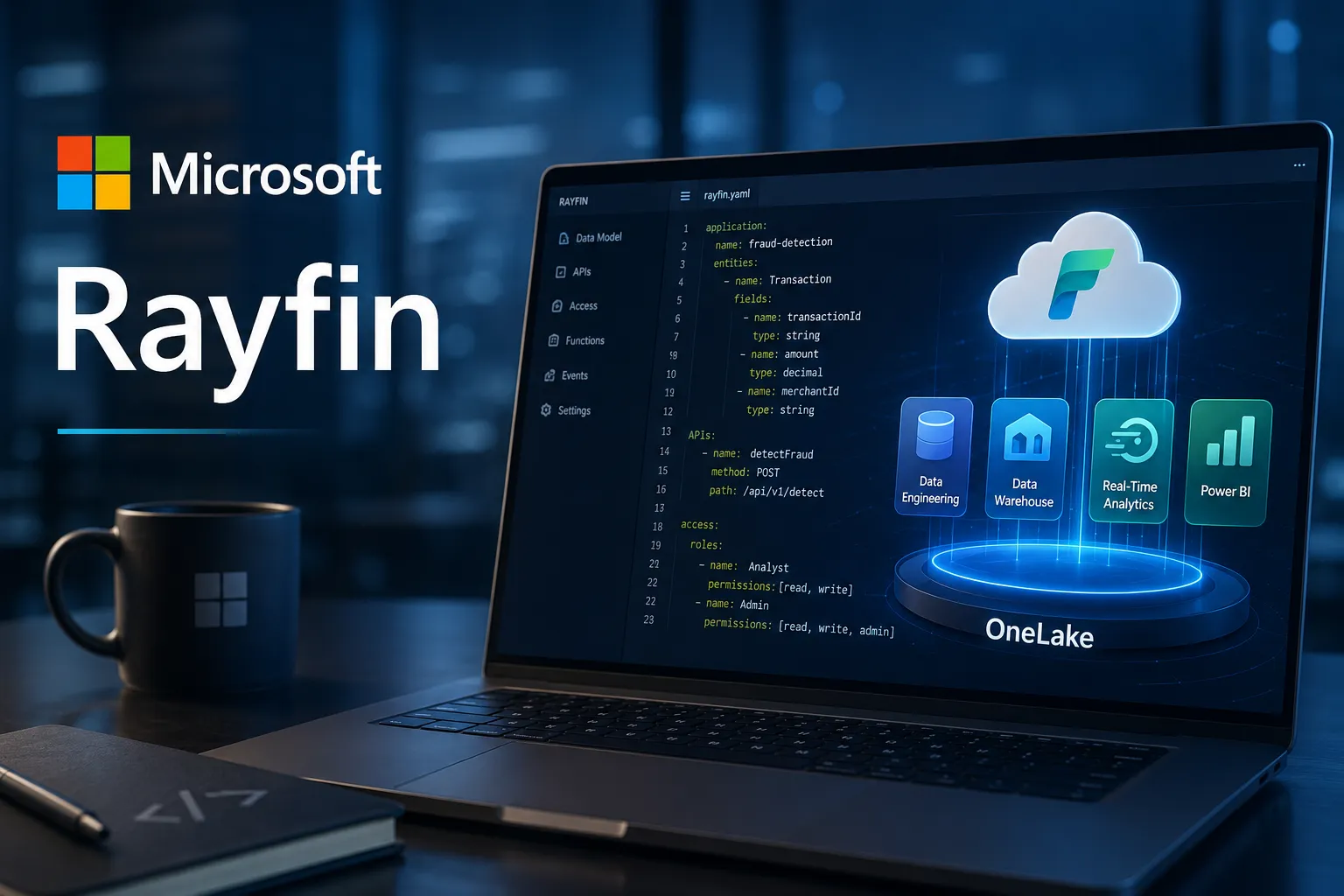
Microsoft Fabric combines these capabilities into a single unified platform, helping organizations reduce complexity and improve operational efficiency.
4. Faster Power BI Reporting Performance
Many enterprises using Hadoop with Power BI experience:
- Slow report refreshes
- Query delays
- Performance bottlenecks
Microsoft Fabric integrates directly with Power BI, enabling optimized semantic models and faster reporting.
In the case study, report refresh performance improved by 3X after migration.
5. Reduced Dependency on External Vendors
Legacy Hadoop ecosystems often depend heavily on third-party vendors for infrastructure support and maintenance.
By moving to Microsoft Fabric, organizations gain a more centralized analytics environment that reduces vendor dependency and simplifies long-term operations.
6. Lakehouse Architecture Improves Data Quality
Microsoft Fabric supports the Medallion Lakehouse architecture:
- Bronze → Raw data
- Silver → Cleaned data
- Gold → Business-ready data
This approach improves:
- Data consistency
- Governance
- Reporting accuracy
- Analytics readiness
7. Cloud-Native Scalability Is Easier
Scaling Hadoop environments typically requires manual infrastructure planning and cluster management.
Microsoft Fabric offers cloud-native scalability, allowing organizations to handle growing workloads without managing physical infrastructure. This makes it a more efficient approach for enterprises looking to modernize their cloud data management solutions.
This improves flexibility and reduces operational effort
8. Better Data Governance and Security
Modern enterprises need stronger governance capabilities.
Microsoft Fabric and OneLake provide centralized governance features for:
- Access control
- Data lineage
- Monitoring
- Compliance management
This helps organizations maintain more secure and governed analytics environments.
9. Lower Maintenance Effort
Maintaining Hadoop infrastructure requires continuous:
- Monitoring
- Patch management
- Performance tuning
After migrating to Microsoft Fabric, the organization reduced maintenance effort by 70%, allowing teams to focus more on analytics and business insights.
10. Enterprises Need Future-Ready Analytics Platforms
Modern businesses require:
- AI-ready analytics
- Real-time reporting
- Self-service BI
- Scalable cloud infrastructure
Microsoft Fabric supports these modern analytics requirements within a unified ecosystem, making it a strong long-term platform for enterprise data modernization.
Key Results from the Migration
| Area | Improvement |
| Infrastructure Overhead | Reduced by 40% |
| Report Refresh Speed | Improved by 3X |
| Downtime | Less than 1% |
| Maintenance Effort | Reduced by 70% |
Final Thoughts
As enterprise analytics needs continue to grow, many organizations are moving away from complex Hadoop ecosystems toward modern cloud-native platforms.
Microsoft Fabric OneLake helps businesses simplify infrastructure, centralize data, improve Power BI performance, and build scalable analytics environments.
The migration project by Dream IT Consulting Services demonstrates how modernizing from Hadoop to Microsoft Fabric can significantly improve operational efficiency while preparing enterprises for future analytics demands.
































Sign in to leave a comment.