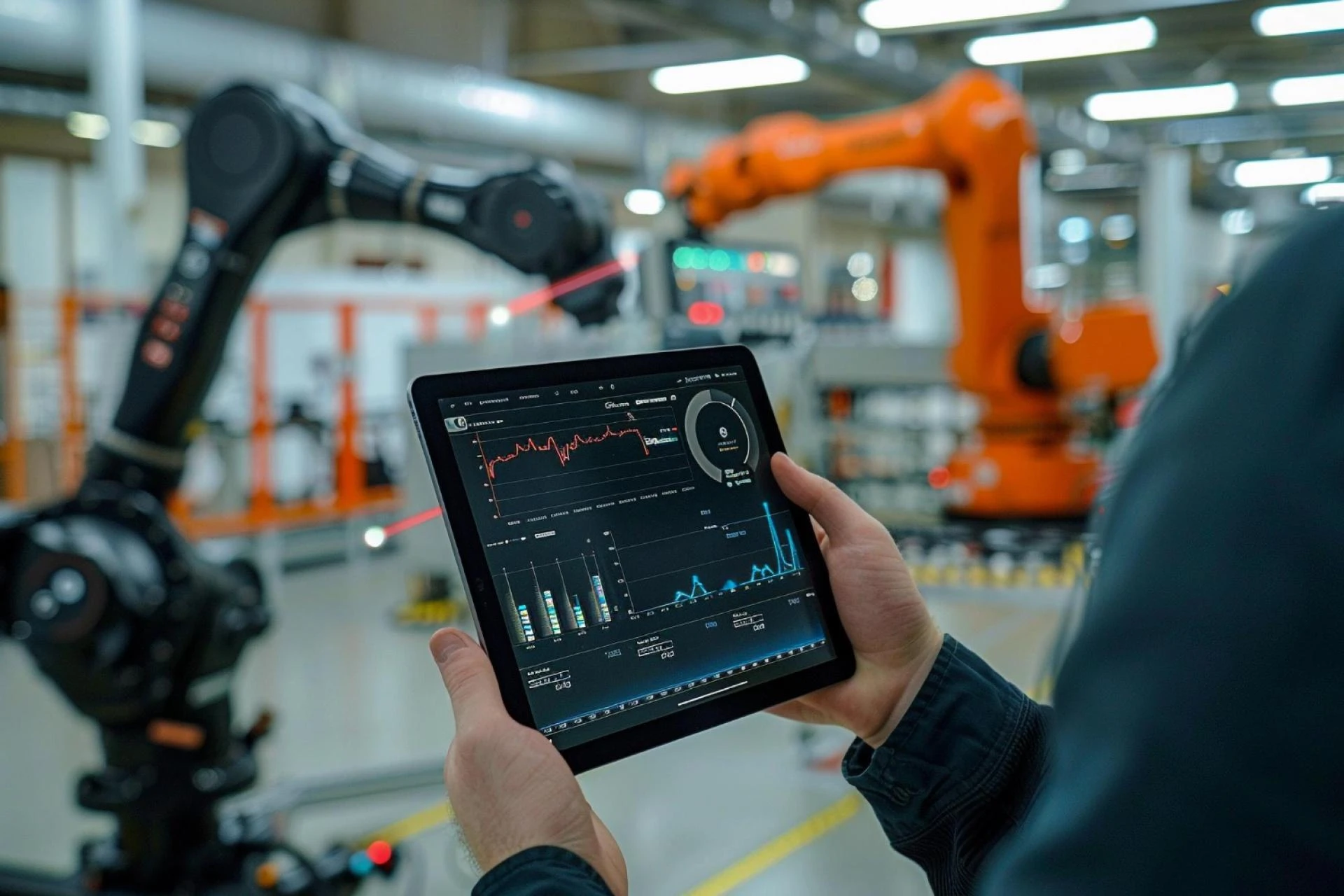

Manufacturing is changing faster than ever. Factories are no longer just about machines and workers. Today, smart factories use data to make better decisions, reduce waste, and improve quality.
Every machine, sensor, and system in a factory creates valuable information. When this data is used the right way, it helps managers see problems early, fix issues faster, and plan for the future with confidence.
Manufacturing analytics is the process of turning factory data into clear insights. These insights help teams understand what is really happening on the shop floor and what actions to take next.
In this blog, you will learn about 12 key manufacturing analytics use cases that every smart factory should know. These use cases are practical, easy to understand, and proven to deliver real value.
Whether you run a small plant or a large production site, these examples will help you see how analytics can support better performance, lower costs, and stronger results.
What Is Manufacturing Analytics
Manufacturing analytics is the use of data to understand and improve factory operations. It takes information from machines, production systems, quality tools, and business software and turns it into useful reports and insights.
Instead of guessing what is going wrong, teams can use data to see the real picture. This helps leaders make better choices based on facts, not assumptions.
Manufacturing analytics helps answer questions like:
- Why did production slow down yesterday
- Which machines cause the most downtime
- Where defects are coming from
- How energy is being used
- Which products are most profitable
When used well, analytics becomes a daily tool for improvement, not just a report that sits in a folder.
Why Smart Factories Rely on Analytics
Smart factories connect machines, systems, and people using digital tools. Analytics is the brain that makes sense of all this information.
Without analytics, data stays hidden and unused. With analytics, data becomes a guide for action.
Key benefits of using manufacturing analytics include:
- Better production planning
- Lower downtime
- Improved product quality
- Reduced waste
- Lower operating costs
- Faster problem solving
- Better use of resources
Now let us explore the 12 most important manufacturing analytics use cases.
1. Predictive Maintenance
Prevent Breakdowns Before They Happen
Predictive maintenance uses machine data to spot early signs of failure. Instead of waiting for a machine to break, teams can fix issues before they cause downtime.
Sensors track things like vibration, temperature, and run time. Analytics looks for patterns that show a machine is under stress.
Benefits include:
- Fewer unexpected breakdowns
- Lower repair costs
- Longer machine life
- Less production loss
This use case is one of the fastest ways to see a return on analytics investment.
2. Real Time Production Monitoring
See What Is Happening Right Now
Real time monitoring shows current production status on screens and dashboards. Managers and supervisors can see output, downtime, and cycle times as they happen.
This helps teams react quickly to issues instead of finding out hours later.
Key advantages:
- Faster response to problems
- Better shift performance
- Clear visibility for teams
- Fewer surprises at the end of the day
Real time data keeps everyone informed and focused.
3. Downtime Analysis
Find the True Causes of Lost Time
Downtime is one of the biggest hidden costs in manufacturing. Analytics helps break down when, where, and why downtime occurs.
Instead of just knowing that a machine stopped, analytics shows:
- Type of downtime
- Duration of each stop
- Root causes
- Patterns over time
This makes it easier to fix the real issues, not just the symptoms.
4. Quality Defect Analysis
Reduce Errors and Improve Product Quality
Quality analytics helps track defects and find where they come from. It connects defect data with machine settings, operators, and materials.
This helps teams see:
- Which products have the most defects
- Which machines create the most errors
- When defects are more likely to happen
- What process changes improve quality
Better quality leads to fewer returns, less rework, and happier customers.
5. Yield Optimization
Get More Good Products from the Same Input
Yield shows how much usable product comes out of a process. Analytics helps identify where losses happen.
With yield analytics, teams can:
- Spot waste in each step
- Compare shifts and lines
- Find best performing setups
- Standardize best practices
Even small improvements in yield can create big savings.
Also Discover: AI-Powered Analytics for Smarter Manufacturing Operations
6. Energy Usage Analysis
Lower Energy Costs and Improve Efficiency
Energy is a major cost for many factories. Analytics helps track where energy is used and where it is wasted.
Energy analytics can show:
- Which machines use the most power
- When energy use is highest
- How idle machines waste energy
- How process changes affect energy use
This helps teams cut energy bills and support sustainability goals.
7. Production Scheduling Optimization
Build Better Production Plans
Analytics supports smarter scheduling by using real data on machine availability, cycle times, and demand.
Instead of using fixed rules, schedules can be adjusted based on real conditions.
Benefits include:
- Fewer delays
- Better on time delivery
- Lower changeover time
- Improved use of equipment
Better schedules lead to smoother operations.
8. Inventory Level Optimization
Reduce Excess Stock and Stockouts
Analytics helps balance inventory by tracking usage, lead times, and demand patterns.
This helps companies:
- Lower carrying costs
- Avoid running out of parts
- Improve cash flow
- Reduce storage space needs
Right sized inventory supports both cost control and production flow.
9. Scrap and Rework Analysis
Cut Waste and Improve Profit
Scrap and rework eat into profits. Analytics helps track how much waste is created and why.
Teams can see:
- Scrap rates by product
- Rework by machine or shift
- Common causes of waste
- Cost impact of scrap
This helps focus improvement efforts where they matter most.
10. Operator Performance Insights
Support and Train the Workforce
Analytics can show how different shifts and teams perform. This is not about blame. It is about support and improvement.
Insights can include:
- Output by shift
- Downtime by team
- Quality by operator group
- Training impact
This helps managers provide better training and share best practices.
11. Supply Chain Performance Tracking
Improve Supplier and Material Flow
Manufacturing analytics can extend beyond the factory floor. It can track supplier delivery, material quality, and lead times.
This helps companies:
- Spot late deliveries
- Track supplier quality
- Reduce material shortages
- Improve planning accuracy
Better supply chain data leads to fewer surprises.
12. Cost Analysis by Product and Process
Understand True Production Costs
Cost analytics connects production data with financial data. This helps show the real cost of making each product.
Teams can analyze:
- Cost per unit
- Cost by process step
- Cost of downtime
- Cost of defects
This supports better pricing, budgeting, and investment decisions.
How to Start Using Manufacturing Analytics
You do not need to do everything at once. The best approach is to start small and grow over time.
Here are simple steps to begin:
- Choose one or two high impact use cases
- Make sure your data is accurate
- Use simple dashboards
- Train teams to use the insights
- Review results regularly
- Expand to more use cases
Focus on solving real problems, not just collecting data.
Common Mistakes to Avoid
Many factories struggle with analytics because of a few common issues.
Avoid these mistakes:
- Collecting data with no clear goal
- Using too many reports
- Ignoring shop floor feedback
- Not acting on insights
- Making analytics too complex
Keep it simple and focused on real needs.
The Future of Smart Factory Analytics
Manufacturing analytics will continue to grow. As more machines become connected, data will become even more valuable.
Future trends include:
- More real time insights
- Better predictive tools
- Easier to use dashboards
- Stronger links between factory and business systems
Factories that invest in analytics today will be better prepared for tomorrow.
Final Thoughts
Manufacturing analytics is no longer a nice to have. It is a must have for smart factories that want to stay competitive.
The 12 use cases in this guide show how data can improve maintenance, quality, energy use, scheduling, and more.
By starting with clear goals and simple tools, any factory can begin using analytics to drive better results.
The smartest factories are not just making products. They are learning from their data every day and using it to build a stronger future.






























Sign in to leave a comment.