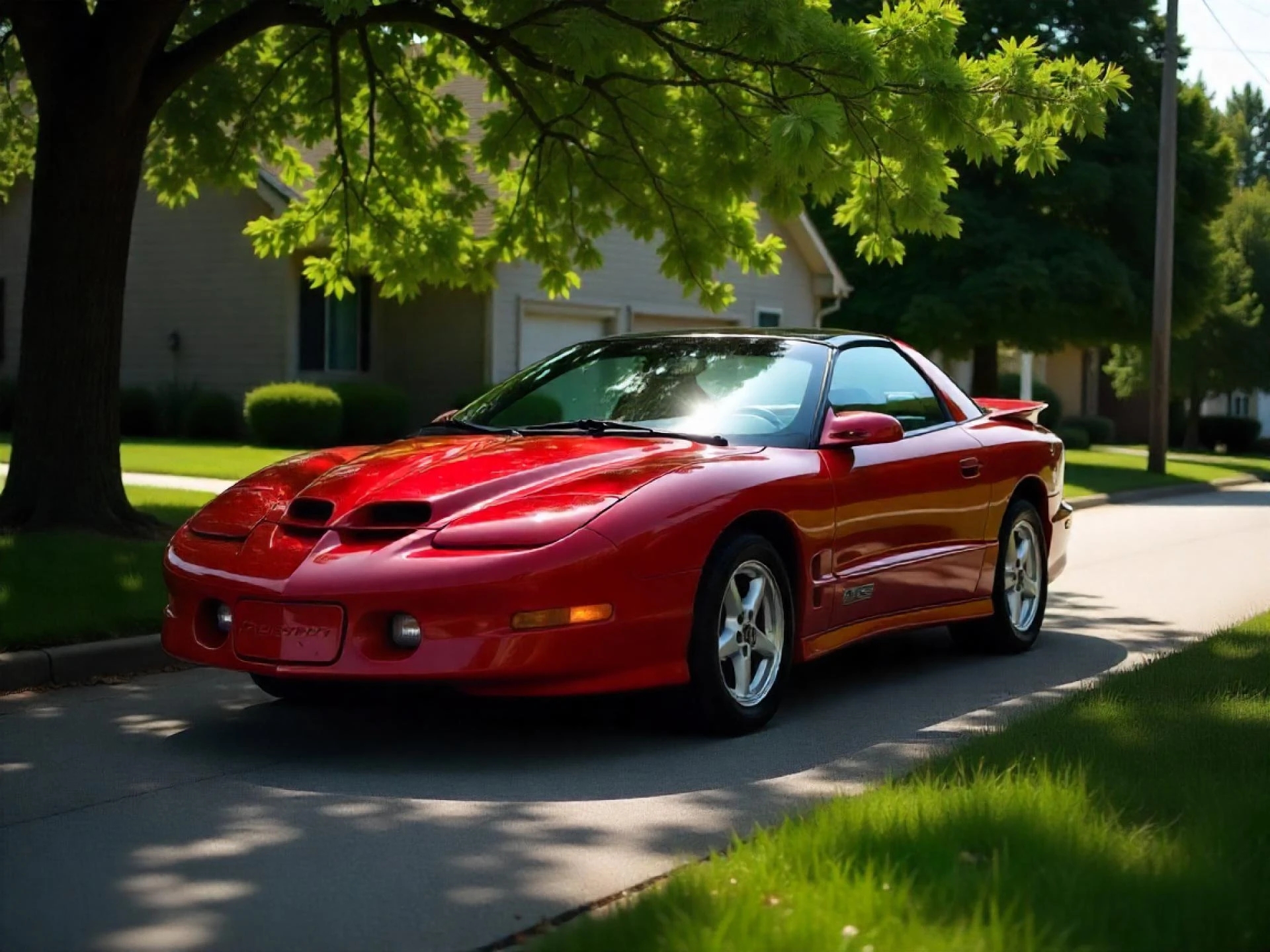

The 1990s were a dynamic period for Pontiac, General Motors’ brand synonymous with performance and bold design. As the automotive industry faced rising SUV popularity and stricter emissions standards, Pontiac stayed true to its “We Build Excitement” ethos, delivering vehicles that blended American muscle with modern aesthetics. Models like the Firebird, Grand Prix, Bonneville, and Sunfire defined the decade, appealing to enthusiasts, families, and young drivers alike. This in-depth exploration delves into Pontiac’s 1990s lineup, its market impact, and its lasting influence, drawing insights from sources like AmeriFreight’s blog on 1990s Pontiac cars.
Firebird and Trans Am: The Performance Pinnacle
The Pontiac Firebird, especially its Trans Am variant, was the heart of Pontiac’s 1990s identity. The fourth-generation Firebird, introduced in 1993, featured a sleek, aerodynamic design with iconic pop-up headlights, aggressive hood scoops, and a low stance that screamed performance. The base model offered a 3.4L V6 with 160 horsepower, while the Trans Am’s 5.7L LT1 V8 produced 275 horsepower. By 1998, the LS1 V8, shared with the Chevrolet Corvette, boosted output to 305–325 horsepower with the Ram Air WS6 package, rivaling the Dodge Viper and Ford Mustang Cobra.
Upgraded suspension, performance tires, and optional T-tops enhanced the Firebird’s appeal, offering a thrilling drive with open-air flair. The Trans Am’s bold styling made it a cultural icon, appearing in films and car shows. However, high insurance costs and a declining sports car market led to production falling below 30,000 units by 1999. The Firebird’s raw power and striking design continue to make it a collector’s favorite, with pristine examples highly valued.
Grand Prix: Sporty Versatility
The Pontiac Grand Prix was a standout midsize sedan, blending performance with practicality. The fifth-generation (1988–1996) offered engines from a 2.3L four-cylinder to a 3.4L V6, with the GTP trim introducing a supercharged 3.8L V6 in 1997, delivering 240 horsepower. The sixth-generation redesign in 1997 embraced Pontiac’s wide-track stance, featuring a bold grille, sculpted lines, and a sporty aesthetic.
The Grand Prix’s interior provided comfort for families, with options like a heads-up display and leather seats adding premium appeal. The GTP’s sport-tuned suspension and responsive handling competed with the Nissan Maxima and Chrysler 300M. With annual sales often exceeding 100,000 units, the Grand Prix balanced Pontiac’s performance heritage with everyday usability, making it a market success and a favorite for drivers seeking a dynamic sedan.
Bonneville: The Classic Cruiser
The Pontiac Bonneville, a full-size sedan, embodied Pontiac’s blend of luxury and power. The ninth-generation (1992–1999) featured a streamlined design, moving away from the boxy 1980s look. Its 3.8L V6 produced 170–205 horsepower, with the SSEi trim’s supercharged version delivering up to 240 horsepower. This power, paired with a spacious interior and smooth ride, positioned the Bonneville against the Buick LeSabre and Mercury Grand Marquis.
Features like power seats, traction control, and optional leather upholstery appealed to buyers seeking refined comfort. The Bonneville’s handling, enhanced by its wide stance, offered a sporty edge for a large sedan. However, the rise of SUVs reduced demand for full-size cars, with sales declining by the late 1990s. The SSEi’s performance credentials kept it relevant, attracting drivers who valued American luxury with a sporty twist.
Sunfire: The Youthful Spark
Introduced in 1995, the Pontiac Sunfire replaced the Sunbird as Pontiac’s compact offering, targeting younger buyers with its bold styling and affordability. Sharing its platform with the Chevrolet Cavalier, the Sunfire stood out with a distinctive grille, sleek lines, and available coupe, sedan, or convertible options. Its 2.2L four-cylinder engine produced 115 horsepower, while the 2.4L twin-cam option delivered 150 horsepower for a spirited drive.
Priced around $11,500, the Sunfire competed with the Toyota Corolla, Honda Civic, and Ford Escort. Its sporty options, including a five-speed manual and performance suspension, appealed to the tuner crowd, while its reliability attracted first-time buyers. Sales peaked at over 110,000 units annually, reflecting its popularity. Though its interior quality lagged behind Japanese rivals, the Sunfire’s vibrant colors and customization potential made it a hit in the compact market.
Market Dynamics and Strategic Moves
The 1990s posed challenges for Pontiac. The SUV boom, driven by models like the Chevrolet Blazer, shifted consumer focus from sedans and coupes. Stricter emissions and fuel economy regulations pushed Pontiac to adopt efficient engines, like the supercharged 3.8L V6, which balanced power and compliance. Japanese brands like Honda and Toyota, known for superior build quality, pressured Pontiac to enhance reliability and refinement.
Pontiac’s marketing leaned into its performance image, with campaigns showcasing the Firebird’s power and the Grand Prix’s sporty appeal. The Sunfire targeted younger drivers, while the Bonneville catered to traditional sedan buyers. Despite these efforts, declining sports car sales and the SUV trend challenged Pontiac’s core lineup, leading to experiments like the Aztek crossover in 2000, which faced mixed reception.
Cultural Footprint and Enduring Appeal
Pontiac’s 1990s vehicles left a lasting cultural impact. The Firebird and Trans Am, with their muscular designs and V8 power, became symbols of American performance, featured in movies, video games like Gran Turismo, and car enthusiast events. The Grand Prix’s blend of style and utility resonated with middle-class buyers, while the Bonneville appealed to those seeking classic luxury. The Sunfire tapped into the 1990s tuner culture, with modified examples showcased at car meets.
As noted in AmeriFreight’s blog, Pontiac’s 1990s lineup embodied bold design and driving excitement. The Firebird remains a collector’s icon, with low-mileage Trans Ams fetching high prices. The Grand Prix and Bonneville are remembered for their versatility, while the Sunfire’s affordability made it a gateway to the Pontiac brand. These vehicles captured the era’s automotive spirit.
Lasting Legacy
Pontiac’s 1990s models laid the groundwork for its early 2000s efforts, including the 2004 GTO revival. The Firebird’s performance legacy lives on in car culture, with enthusiasts restoring models to factory condition or modifying them for racing. The Grand Prix’s sales success highlighted Pontiac’s ability to blend sportiness with practicality, while the Bonneville’s luxury appeal endures among classic car fans. The Sunfire’s role in the compact market reflected Pontiac’s adaptability.
The decade’s challenges—SUV competition, regulatory pressures, and Japanese rivals—tested Pontiac’s resilience. Its ability to deliver vehicles that balanced performance and accessibility showcased its engineering and market savvy. These models remain celebrated at car shows and vintage events, reflecting their enduring appeal.
Conclusion
As highlighted in AmeriFreight’s blog, Pontiac’s 1990s lineup was a testament to the brand’s commitment to excitement in a changing market. The Firebird delivered raw power, the Grand Prix offered sporty practicality, the Bonneville blended luxury and performance, and the Sunfire brought youthful energy. Despite market shifts, these vehicles defined Pontiac’s identity as GM’s performance brand. Their legacy endures among enthusiasts, with the Firebird’s iconic status and the Grand Prix’s versatility highlighting Pontiac’s impact before its discontinuation in 2010.




























Sign in to leave a comment.