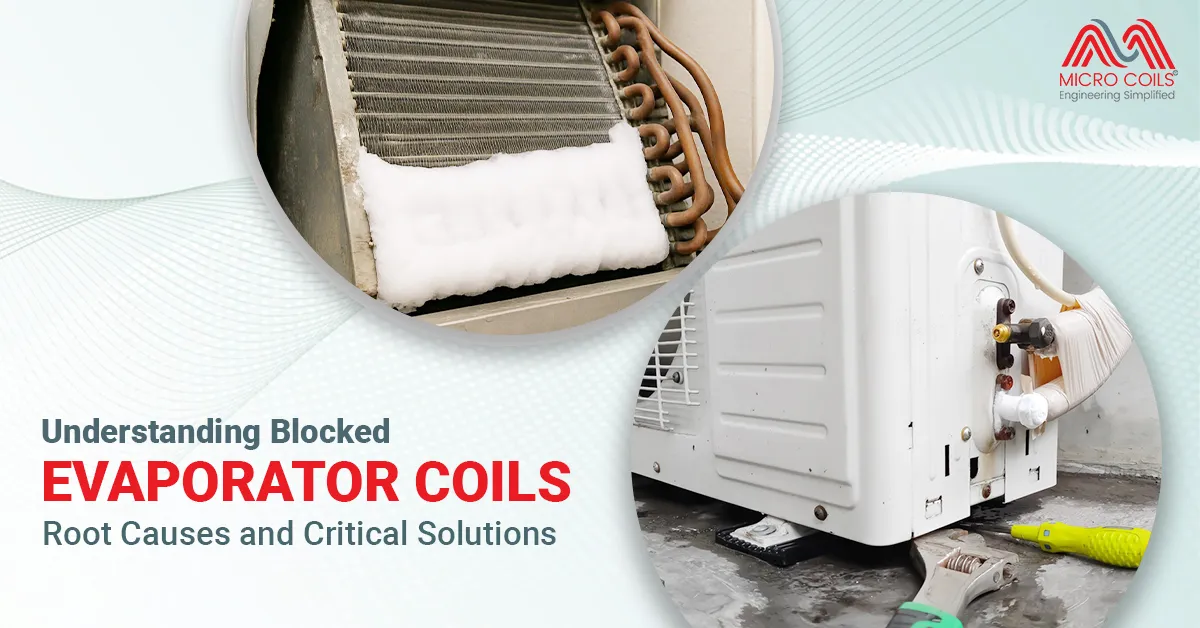

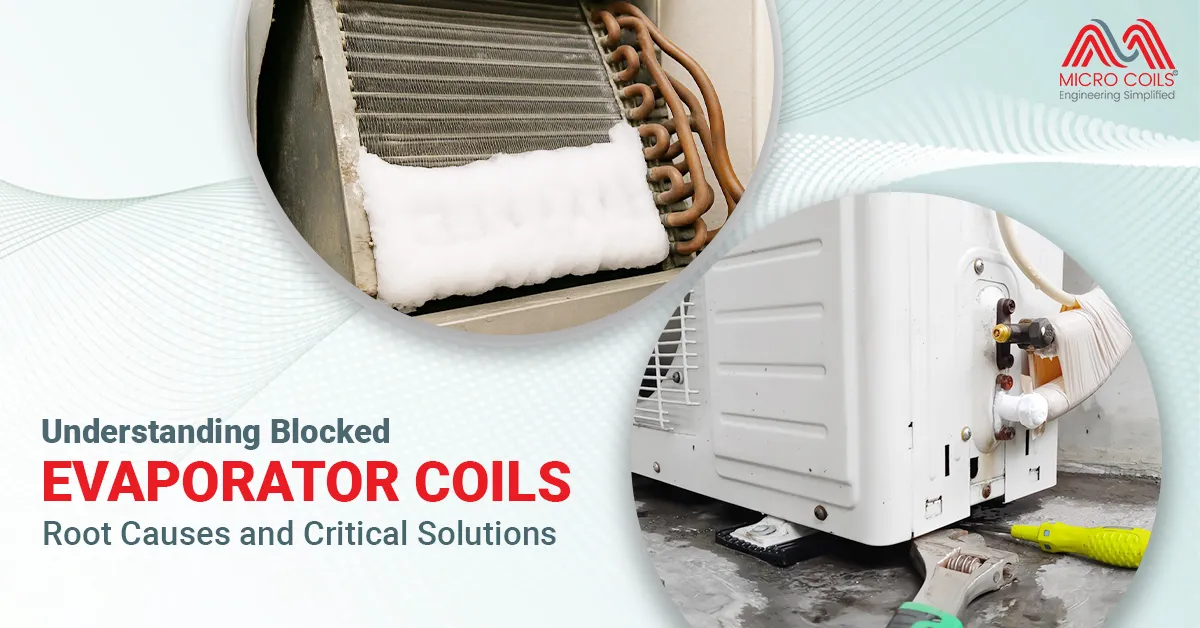
A blocked evaporator coil stands as one of the most common yet severely underestimated problems plaguing air conditioning and refrigeration systems worldwide. This seemingly simple issue cascades into a complex web of performance degradation, energy waste, and potential system failure. When that critical component gets obstructed, your entire cooling system struggles like a runner trying to breathe through a straw.
What Exactly Happens When an Evaporator Coil Gets Blocked?
The AC evaporator coil serves as the heart of heat absorption in any cooling system. Air flows across its cold surface, transferring thermal energy while simultaneously releasing moisture that condenses on the coil fins. This constant exposure to airborne contaminants, moisture, and environmental factors creates the perfect storm for blockages to develop.
Unlike visible exterior damage, coil blockages often develop insidiously over months or even years. Dust accumulates between fins, biological growth establishes itself in damp crevices, and ice formations can suddenly appear during operation—each contributing to restricted airflow that compromises system efficiency.
Dust and Particulate Accumulation: The Silent Killer
Ordinary household dust might seem harmless, but it's remarkably effective at clogging evaporator coils. Every cubic meter of air contains millions of microscopic particles—skin cells, textile fibers, pollen, pet dander, and outdoor pollutants. As air continuously passes through your system, these particles accumulate on the coil's leading edge and between the closely-spaced aluminum fins.
The geometry of modern evaporator coils exacerbates this problem. Manufacturers pack fins incredibly close together—sometimes just 1-2 millimeters apart—to maximize heat transfer surface area within compact spaces. While this engineering choice improves thermal efficiency, it also creates narrow passages that capture particles with alarming effectiveness. Within months of installation, a visible mat of dust can form across the coil face, dramatically restricting airflow.
Commercial and industrial environments face even greater challenges. Manufacturing facilities generate metal shavings, sawdust, or chemical residues that prove far more problematic than residential dust. Restaurants deal with grease-laden air that creates sticky coatings on coils, acting like flypaper for other airborne contaminants.
Biological Growth: When Your Coil Becomes a Greenhouse
Evaporator coils provide ideal conditions for microbial growth. Cold surfaces naturally attract condensation, creating perpetually moist environments. Add darkness, organic nutrients from dust and debris, and moderate temperatures during off-cycles, and you've created a perfect incubator for mold, mildew, algae, and bacteria.
These biological colonies don't just block airflow—they actively damage coil materials. Certain bacteria produce corrosive metabolic byproducts that attack aluminum fins and copper tubing. Fungal growth can penetrate protective coatings, establishing root-like structures that compromise material integrity over time. The musty odors associated with dirty air conditioning systems? That's typically biological growth on the evaporator coil releasing volatile organic compounds into your breathing air.
Healthcare facilities, food processing plants, and humid climates face particularly severe biological fouling challenges. A hospital HVAC system might harbor dangerous pathogens if evaporator coils aren't properly maintained, potentially spreading infections through air distribution systems.
Ice Formation: The Paradoxical Blockage
Here's where things get counterintuitive. Your cooling coil can actually freeze solid, completely blocking airflow and stopping heat absorption. Several mechanisms trigger this ice formation, each pointing to different underlying problems.
Restricted airflow—perhaps from dirty filters or blocked return grilles—reduces heat transfer to the coil. Without sufficient warm air passing across it, refrigerant doesn't fully evaporate, causing coil temperatures to plummet below freezing. Moisture in the air then freezes directly onto the coil surface, creating an ever-expanding ice barrier.
Low refrigerant charge produces similar results. When refrigerant levels drop below design specifications, the remaining refrigerant must absorb the same heat load across a larger coil area. This causes localized super-cooling and ice formation, typically starting at the suction line connection and spreading outward.
Malfunctioning expansion devices also contribute to icing problems. If the metering device fails to properly regulate refrigerant flow, liquid refrigerant floods back into the evaporator. This liquid can't absorb heat efficiently, causing surface temperatures to crash and ice to form rapidly.
Oil Contamination and Coating Issues
While less common than dust or ice blockages, oil-related fouling creates serious performance problems. Compressor oil normally circulates through the entire refrigeration circuit, including the evaporator. Under certain conditions—particularly in systems with poor oil return or incompatible refrigerant-oil combinations—oil accumulates inside coil tubing and on external surfaces.
This oil coating acts as thermal insulation, dramatically reducing heat transfer efficiency. Even a microscopic oil film significantly impedes thermal conductivity between refrigerant and coil walls. External oil deposits attract and bind dust particles, creating stubborn fouling that resists normal cleaning methods.
Systems using the wrong oil type for their refrigerant experience accelerated oil fouling. Modern HFC and HFO refrigerants require polyolester (POE) or other synthetic oils; using traditional mineral oil creates miscibility problems that lead to oil trapping in the AC cooling coil sections where temperatures run coldest.
Chemical and Corrosion Deposits
Industrial and coastal environments expose evaporator coils to corrosive atmospheres. Salt spray in maritime locations attacks aluminum fins with particular ferocity, creating white or green corrosion deposits that progressively block airflow. Manufacturing facilities that use acids, bases, or other chemicals often experience accelerated coil deterioration and fouling.
The AC condenser coil typically faces harsher outdoor conditions, but evaporator coils aren't immune to chemical attack. Indoor pools, for instance, expose HVAC equipment to chlorine vapors that corrode metals and degrade protective coatings. Even cleaning products used in occupied spaces can contribute to coil fouling if formulations contain volatile components that condense on cold surfaces.
Filter Failures and Bypass Airflow
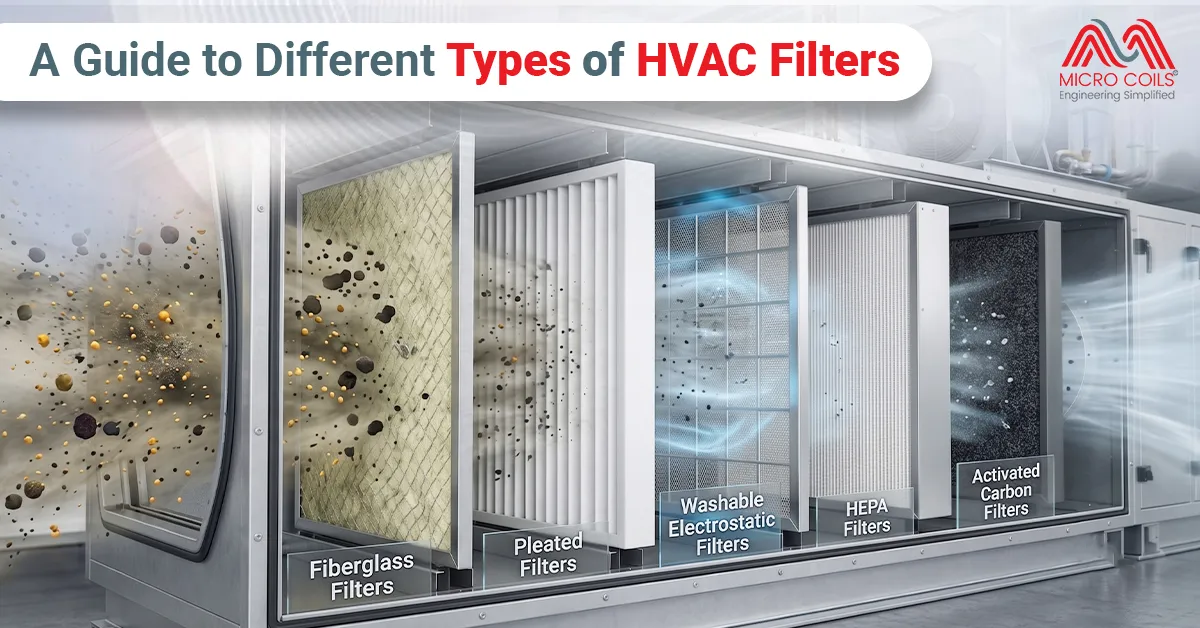
Many blocked evaporator coils trace back to inadequate filtration. Missing filters, improperly sized filter racks, or low-efficiency filters allow contaminants direct access to expensive coil surfaces. Some systems suffer from bypass airflow around filters—gaps in filter housing or poor sealing that let unfiltered air reach the coil.
Surprisingly, over-filtering can also cause problems. Excessively restrictive filters reduce system airflow below design specifications, potentially triggering the icing problems discussed earlier. The key lies in balancing filtration efficiency against pressure drop and airflow requirements.
Construction and Renovation Contamination
New construction and renovation projects generate extraordinary amounts of airborne debris. Drywall dust, sawdust, insulation fibers, and concrete particulates flood HVAC systems during these periods. Running air conditioning during construction practically guarantees severe coil fouling unless extraordinary protective measures are implemented.
Smart contractors install temporary pre-filters or completely seal off HVAC systems during dusty work phases. Unfortunately, many skip these precautions, leading to coils packed with construction debris that might take years of normal operation to accumulate otherwise.
Poor Drainage and Standing Water
Evaporator coils produce condensate that must drain away completely. Clogged drain lines, improperly pitched drain pans, or failed condensate pumps allow water to pool around the coil. This standing water accelerates biological growth while increasing humidity levels that promote corrosion and additional fouling.
Some installations position drain pans where they collect dust and debris, essentially creating mud that backs up into the coil itself. Regular drain line maintenance prevents these cascading problems before they impact coil performance.
The Performance Impact Cascade
Blocked evaporator coils trigger a devastating chain reaction. Reduced airflow forces systems to run longer, consuming more energy while delivering less cooling. Indoor humidity rises as the coil spends less time in dehumidification mode. Comfort complaints multiply while utility bills skyrocket.
Meanwhile, the compressor works harder against higher discharge pressures, accelerating wear and shortening equipment lifespan. Some systems eventually fail completely, requiring emergency repairs at premium prices.
Understanding these blockage mechanisms empowers proactive maintenance strategies. Regular inspections, proper filtration, timely cleaning, and addressing root causes preserve evaporator coil performance while maximizing equipment longevity and efficiency.

























Sign in to leave a comment.