
The healthcare landscape is undergoing a rapid evolution, driven by advancements in technology and ever-changing patient expectations. At the heart of this transformation lies healthcare software development, a dynamic field constantly adapting to meet these demands.
So, what's changed in healthcare software development in 2024? Let's dive into the key trends shaping the industry:
AI at the Forefront:Artificial intelligence (AI) is no longer a novelty in healthcare software. In 2024, we're seeing it move beyond proof-of-concept stages and into real-world applications. We're talking:
AI-powered diagnostics: Algorithms assist in analyzing medical images for accurate diagnoses, reducing human error and speeding up treatment decisions.Personalized medicine: AI analyzes vast amounts of patient data to tailor treatment plans and predict individual health risks.Virtual assistants and chatbots: AI-powered assistants answer patient questions, schedule appointments, and provide basic health information, improving accessibility and engagement. The Data Deluge:The healthcare industry generates massive amounts of data, and harnessing its power is crucial. In 2024, we see a focus on:
Interoperability: Software applications are designed to seamlessly share data across different platforms, breaking down information silos and enabling holistic patient care.Data security and privacy: As data becomes more valuable, robust security measures are essential to protect patient information and comply with regulations.Advanced analytics: Data analytics tools unlock insights from medical records, empowering clinicians to make data-driven decisions and improve overall healthcare delivery. Patient-Centricity Reigns Supreme:Patients are no longer passive recipients of care; they're active participants demanding personalized experiences. In 2024, healthcare software caters to this shift:
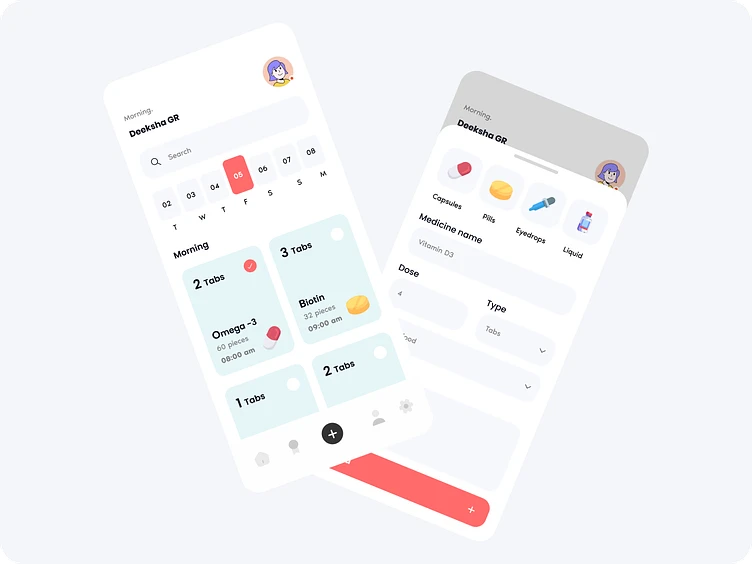
Patient portals: Interactive portals allow patients to access their medical records, book appointments, manage prescriptions, and communicate with healthcare providers, fostering transparency and engagement.Telehealth advancements: Telemedicine platforms expand beyond basic consultations, offering remote examinations, chronic disease management, and mental health support, increasing accessibility and convenience.Wearable devices and mHealth apps: The integration of wearable devices and mobile health apps into software platforms empowers patients to actively track their health data and participate in preventative care. The Cloud Revolution:Cloud computing is rapidly transforming healthcare it services, offering numerous advantages:
Scalability and flexibility: Cloud-based solutions easily adapt to changing needs and patient volumes.Accessibility and collaboration: Healthcare professionals can access data and collaborate remotely, regardless of location.Reduced costs and maintenance: Cloud services eliminate the need for expensive hardware and IT infrastructure, lowering operational costs. Ethical Considerations:As AI and data play a bigger role, ethical considerations come to the forefront:
Bias and fairness: Algorithmic bias can perpetuate inequalities in healthcare. Developers must ensure algorithms are fair and inclusive.Transparency and explainability: Patients have the right to understand how AI-driven decisions are made. Explainable AI solutions address this concern.Privacy and security: Robust data protection measures are essential to safeguard patient privacy and build trust in AI-powered healthcare.Looking Ahead:
The year 2024 has witnessed significant advancements in healthcare software development. As these trends continue to evolve, we can expect:
More seamless integration of technologies: AI, big data, and cloud computing will converge to create holistic healthcare solutions.Focus on preventative care: Technology will empower individuals to manage their health proactively, reducing the burden on healthcare systems.Greater emphasis on user experience: Design thinking and human-centered approaches will create intuitive and user-friendly software interfaces for both patients and healthcare professionals.The future of healthcare software development is bright, promising personalized, data-driven, and accessible care for all. As stakeholders in this dynamic field, we must ensure these advancements are ethical, inclusive, and ultimately serve the greater good of improving human health.


























Sign in to leave a comment.