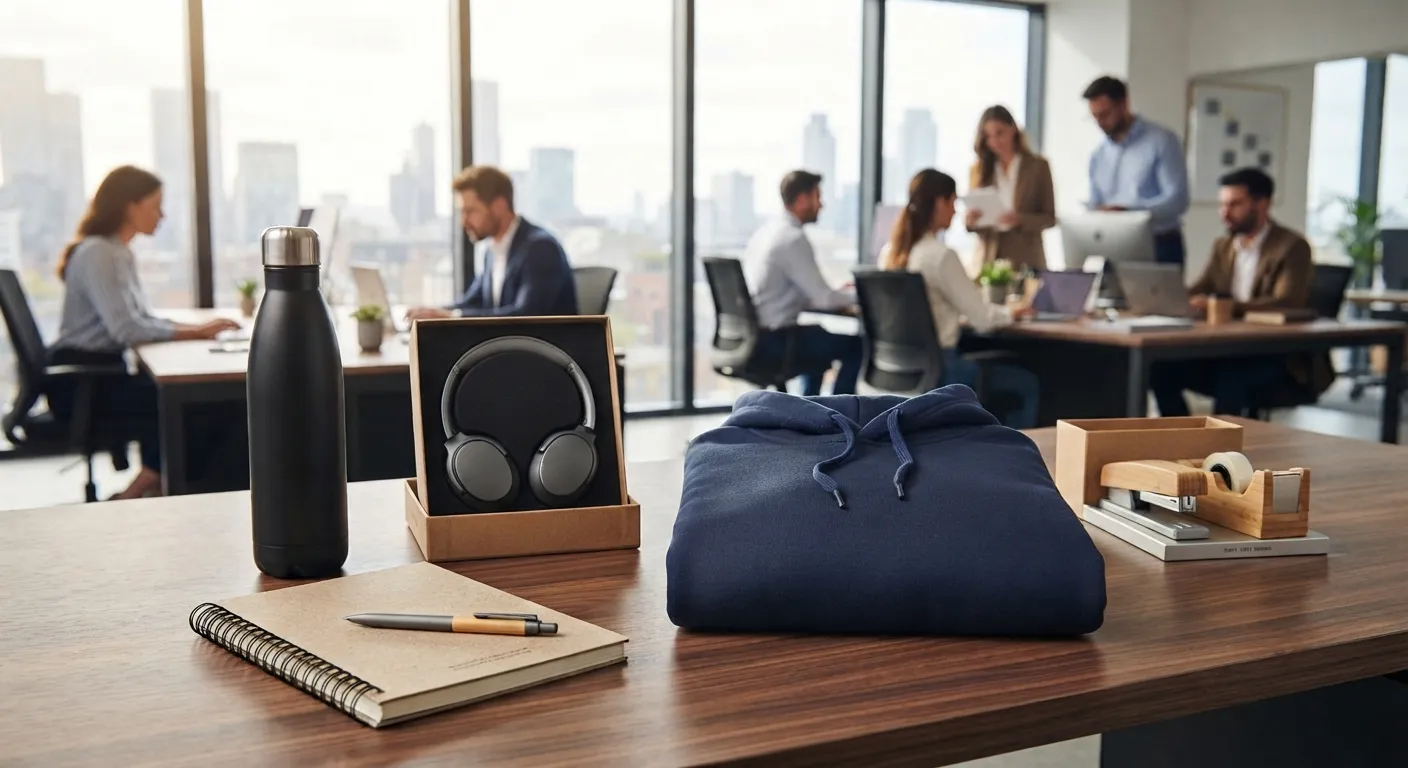

Walk through any modern office in 2026, and you will notice something. The items sitting on people's desks look different than they did five years ago. Fewer plastic pens, more reusable bottles. Fewer throwaway giveaways, more items that look like they were picked out on purpose. Those small changes are not random. They point to real shifts happening across branded merchandise services, and marketers who understand these shifts early are the ones building stronger connections with their audience this year.

Sustainability Is No Longer a Nice Extra
For years, eco-friendly products sat in a small corner of the catalog labeled as the responsible choice for companies that wanted to feel good about their giveaways. That corner has moved to the center of the room. In 2026, more marketers are choosing recycled materials, reusable packaging, and products built to last simply because customers expect it now, not because it looks good in a press release.
Why Does This Shift Actually Make Business Sense?
Sustainable products tend to be higher quality by design. A reusable bag made to survive years of use naturally gets more brand exposure than a flimsy one made to last a single trip home. The environmental benefit and the marketing benefit end up pointing in the same direction.
Nostalgia Is Making a Quiet Comeback
Something interesting is happening in product design this year. Items that feel familiar from decades past, like retro color palettes, vintage-inspired apparel cuts, or old-school desk accessories, are showing up more often in merchandise programs. There is comfort in nostalgia, especially during periods where everything else feels fast and digital. A branded item that taps into that feeling stands out simply by feeling different from the sleek, minimal look everyone else is using.
How are marketers using this trend without overdoing it?
The smartest use of nostalgia is subtle. A soft color choice or a classic silhouette does more than a loud, obvious throwback design. It should feel like a nod to the past, not a costume.
Personalization Is Becoming the Expectation, Not the Upgrade
Customers are used to personalized emails, personalized recommendations, and personalized ads. That same expectation is spilling into physical merchandise. A generic item handed to a room full of people feels less special than something that reflects the individual receiving it, even in a small way like a name, a department, or a specific milestone.
Small Personal Touches Go a Long Way
A name printed inside a jacket collar or a note tucked into a welcome box costs very little extra but changes how the gift feels entirely. People notice when something was made with them in mind rather than pulled from a bulk order.
Functional Items Are Winning Over Flashy Ones
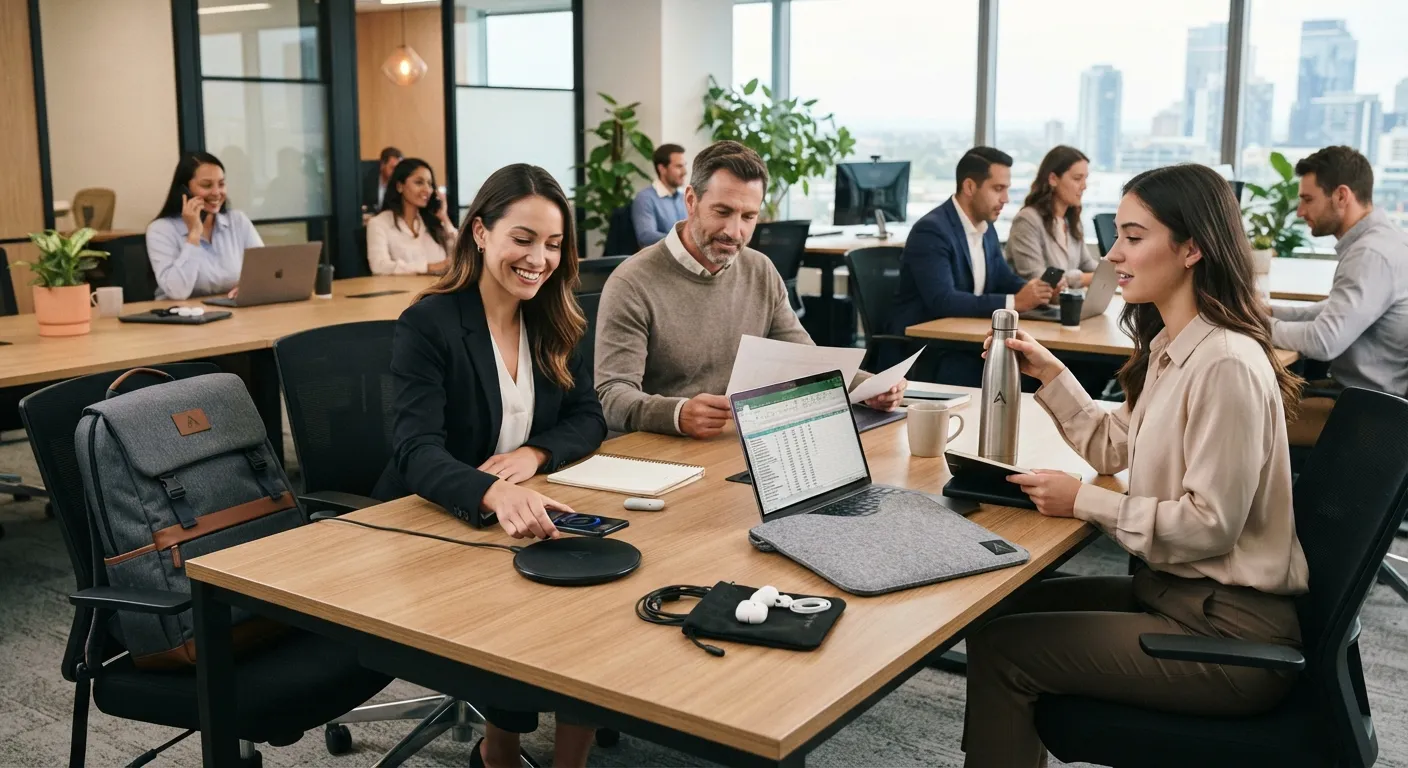
Marketers are learning what customers have known for years. Nobody keeps an item just because it looks interesting for five seconds. People keep items that solve a problem in their daily life. Tech accessories, quality drinkware, and comfortable apparel continue to outperform novelty items because they earn a permanent spot in someone's routine instead of a temporary spot on a shelf.
Working With the Right Partner Matters More in 2026
Trends move fast, and keeping up with sourcing, sustainability standards, and design shifts is not something most marketing teams can manage alone while also running the rest of their campaigns. This is where an experienced partner becomes valuable. Companies offering full branded merchandise services, from sourcing to design to fulfillment, help marketers stay ahead of these shifts without needing to become product experts themselves.
What to Look for in a Merchandise Partner This Year?
A good partner should understand both the creative side and the logistics side of the process. Anyone can suggest a product from a catalog. Fewer partners can guide sourcing decisions, packaging choices, and timelines all at once while keeping quality consistent across every order.
Experience-Based Gifting Is Growing Fast
Instead of a single item, more brands are building small experiences around their merchandise. A curated box that includes a few coordinated items, wrapped and presented thoughtfully, feels far more memorable than one product shipped alone in a plastic bag. This shift reflects a bigger trend in marketing overall, where experience matters just as much as the product itself.
Why Does This Trend Connect to Everything Else on This List?
Experience-based gifting naturally pulls in sustainability, personalization, and functional design all at once. A well-built kit is not just a collection of items. It is a small story told through objects, and that story is what people remember.
Staying Ahead as the Year Moves Forward
Trends will keep shifting throughout 2026, but the underlying principle behind all of them stays the same. People want items that feel intentional, useful, and worth keeping. Marketers who build their programs around that principle will stay relevant no matter which specific trend takes the spotlight next.
Back to That Desk Full of Clues
The reusable bottle, the quality notebook, and the thoughtfully designed jacket sitting on desks across the country did not end up there by accident. They reflect a shift in what people expect from the brands trying to reach them. Marketers who pay attention to these small, everyday clues in 2026 are the ones building merchandise programs that actually last, both in people's hands and in their minds.






















![Best Cloud Computing Courses & Certificates [2026]](/data/post/1865935/a3146442e219da996ed3b2fd.webp)

Sign in to leave a comment.