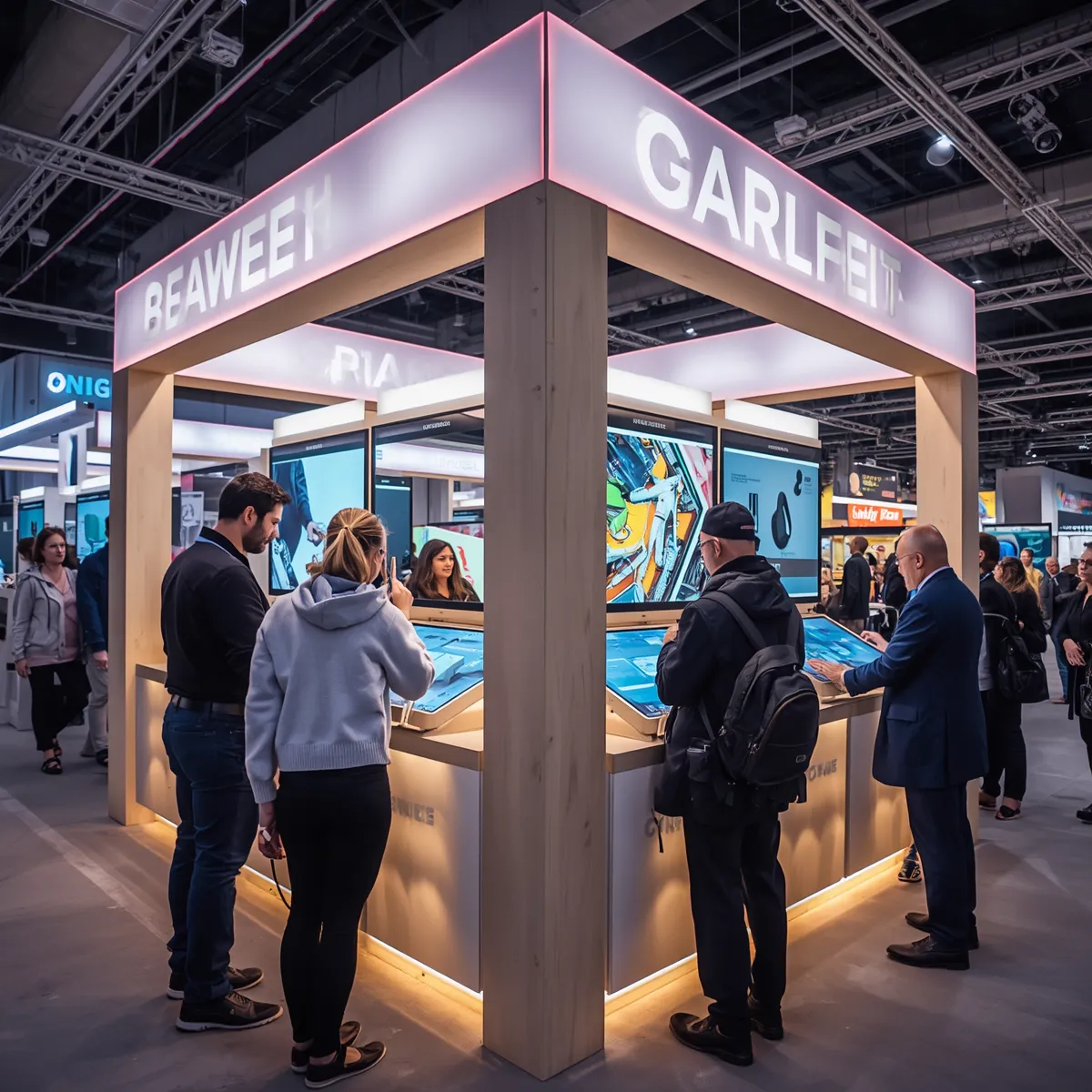

Think about the last advertisement you actually remember.
Not the one you scrolled past on Instagram. Not the banner ad you closed before the page even loaded. The one that stayed with you. Chances are, it wasn't an ad at all; it was an experience.
This shift in how consumers respond to brand messaging is reshaping the entire marketing landscape. People are no longer satisfied with being talked at by brands. They want to be invited in. And that's exactly where experiential marketing solutions come into play.
What Are Experiential Marketing Solutions?
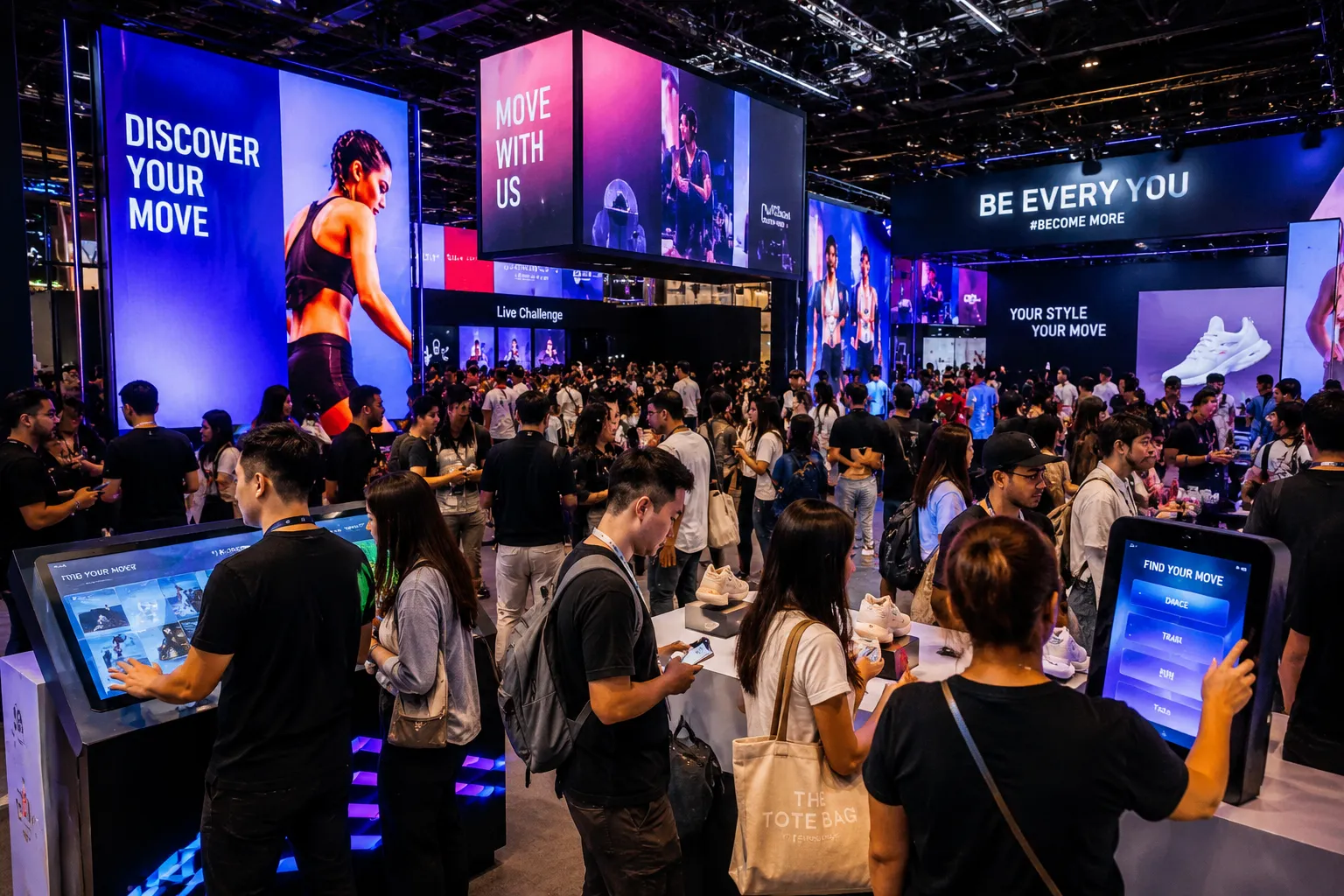
At its core, experiential marketing is about creating direct, meaningful interactions between a brand and its audience. Rather than broadcasting a message through traditional media, brands design experiences, live events, interactive installations, and immersive activations that allow people to feel, touch, participate, and emotionally connect.
Experiential marketing solutions refer to the strategic frameworks, tools, campaigns, and executions that make these interactions possible. This includes everything from planning and creative design to logistics, technology integration, and post-event measurement.
Unlike conventional advertising, which measures success by impressions and reach, experiential marketing measures depth of engagement. The goal isn't just awareness; it's genuine connection.
Why Experiential Marketing Matters More Than Ever?
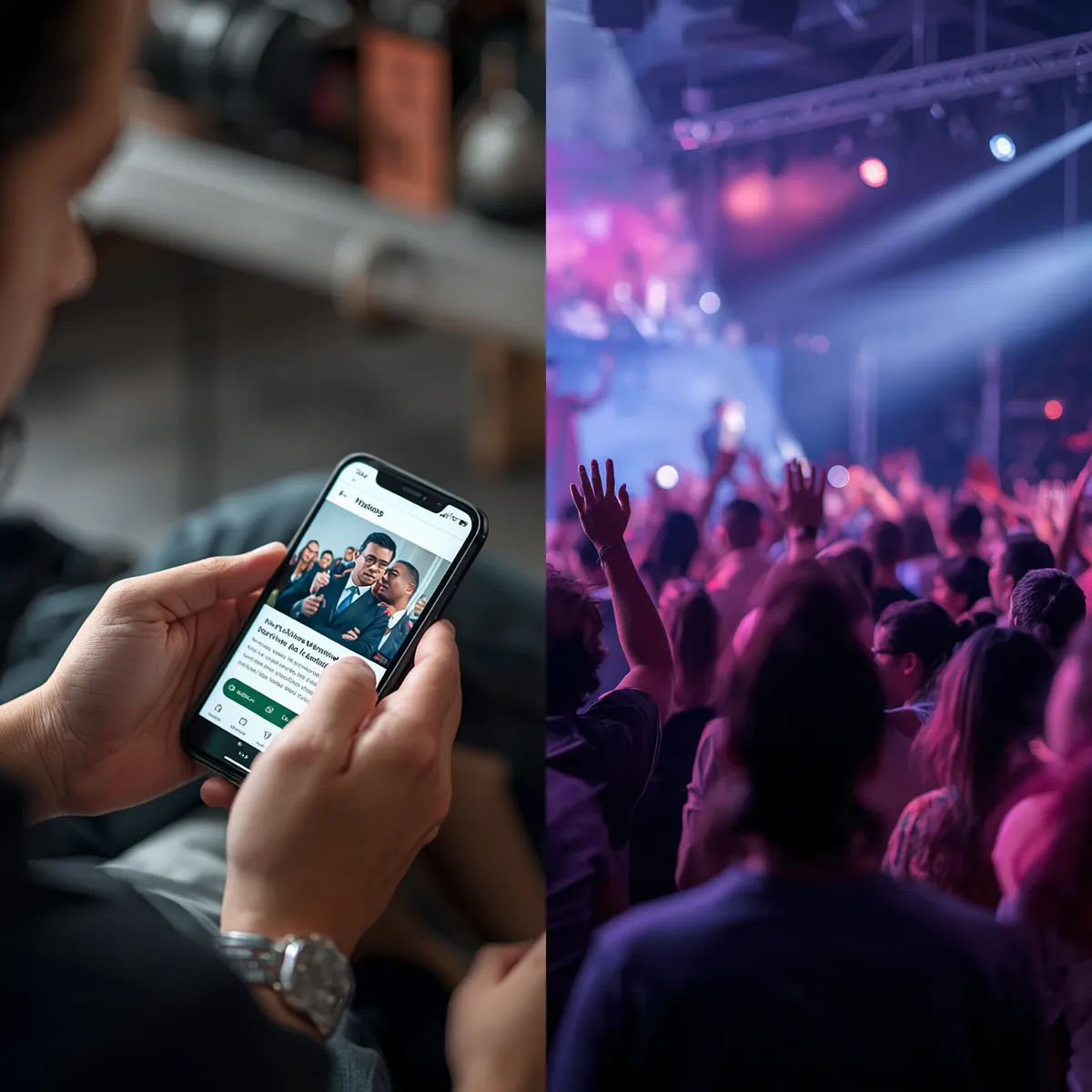
We're living through one of the most challenging eras in the history of advertising. Consumers are exposed to thousands of brand messages daily, and their tolerance is shrinking fast.
Digital ad fatigue is real. Studies consistently show that click-through rates on digital ads have dropped to fractions of a percent. Ad blockers are now used by nearly a third of internet users globally. Simply put, the traditional paid media playbook is getting harder to rely on.
In addition, consumer values have shifted. People increasingly want brands that stand for something, brands that offer real value beyond the transaction. Experiential branding gives companies the opportunity to demonstrate their identity, culture, and purpose in tangible ways.
When someone attends a live brand activation and walks away feeling something, inspired, entertained, or informed, that memory is far more durable than any 30-second TV spot. The emotional brain doesn't forget experiences the way it forgets advertisements.
Key Elements of Successful Experiential Marketing Strategies
Immersive Brand Storytelling
The most effective experiential campaigns don't just show what a brand does; they tell a story that audiences can step into. Whether it's a pop-up environment that transports visitors to another world or a product demonstration that unfolds like a narrative, storytelling is the backbone of immersive marketing campaigns.
Every point of contact becomes a chapter in the brand's story, whether it's through the environment, visuals, sounds, or staff interactions.Interactive Audience Engagement
Passive experiences are forgettable. Interactive ones are not. Successful audience engagement strategies invite participants to do something, make a choice, contribute to an outcome, co-create content, or solve a challenge.
This active participation shifts the consumer from observer to participant, which dramatically increases emotional investment and memory retention.
Emotional Connection Building
Logic makes people think. Emotion makes people act. The most powerful experiential marketing strategies are engineered to create a specific emotional response, such as joy, surprise, inspiration, nostalgia, or even discomfort when the message calls for it.
Brands that consistently generate emotional responses through their experiences build deeper loyalty than those competing solely on product features or price.
Technology Integration
Modern customer experience marketing increasingly blends the physical and digital worlds. Augmented reality (AR) overlays, virtual reality (VR) environments, gamification, real-time social sharing triggers, and sensor-driven personalization are all becoming standard tools in the experiential marketer's toolkit.
However, technology should always serve the experience, not overshadow it. The best integrations feel seamless and natural, enhancing the human moment rather than distracting from it.
The Real Benefits of Experiential Marketing Solutions
The business case for experiential marketing is compelling:
- Stronger brand recall:
People remember what they experience far longer than what they see or hear passively. - Increased customer loyalty:
Shared experiences build communities. Consumers who feel genuinely engaged with a brand become advocates. - Higher engagement rates:
Live activations and immersive events generate social content organically, amplifying reach without additional media spend. - Better word-of-mouth marketing:
An experience worth talking about travels fast, especially in the age of social sharing.
As a result, brands that invest in experiential strategies often see compounding returns, as each activation continues generating attention and conversation well beyond the event itself.
Real-World Scenarios That Illustrate the Power of Experience
Consider a consumer electronics brand launching a new product. Instead of a traditional press release and paid media push, they create a public installation where anyone can walk in, interact with the product in a curated environment, and share their experience on social media in real time. The result? Thousands of authentic user-generated posts and a waiting list before the product even ships.
Or imagine a wellness brand hosting a series of free community events, yoga sessions, mindfulness workshops, and cooking demonstrations, all tied together by a consistent brand narrative. No hard sell. Just genuine value delivered in a memorable setting.
These approaches don't interrupt consumer behavior. They invite people into something worth experiencing.
Common Challenges and How to Overcome Them
Experiential marketing isn't without its pitfalls. Here are some of the most common mistakes brands make and how to avoid them:
- Lack of strategic alignment.
Many brands launch activations that are visually impressive but strategically empty. Every experience must connect back to a clear brand goal and audience insight. - Ignoring measurement.
Experience doesn't mean unquantifiable. Smart marketers define KPIs before the campaign launches, such as dwell time, social impressions, email captures, and post-event surveys, and build measurement into the design. - Underestimating logistics.
A flawless experience requires flawless execution. Poor staffing, technical failures, or long wait times can unravel even the most creative concept. Detailed operational planning is non-negotiable. - One-size-fits-all thinking.
Different audiences respond to different stimuli. Personalization and audience segmentation matter in experiential marketing just as much as in digital campaigns.
The Future of Experiential Marketing
The next chapter of experiential marketing is being written right now, and it's exciting.
- AI-powered personalization will allow brands to tailor live experiences in real time, adjusting content, interactions, and environments based on individual preferences and behaviors.
- Hybrid physical-digital experiences are becoming the new standard. The boundaries between in-person events and online audiences are dissolving, allowing brands to create activations that simultaneously engage people in a room and viewers around the world.
- Sustainable and purpose-driven experiences are gaining traction as audiences increasingly favor brands that align with their values. Experiences built around genuine social or environmental impact will resonate deeply with modern consumers.
In short, experiential branding is not a trend that's going away. It's evolving into one of the most sophisticated and effective disciplines in the modern marketing mix.
Conclusion: Experience Is the New Competitive Advantage
In a world awash with content and vying for scarce attention spans, the brands that will win in the long term are those that make real human connections.
Experiential marketing solutions are a great way forward. One based on emotion, participation, and real-world engagement, rather than interruption and repetition. One well-executed activation done right can do what months of traditional advertising simply cannot.
The future of marketing is not louder. It’s more important. And always worth investing in meaningful moments.
How do you see the future of experiential marketing in your industry? Share your thoughts in the comments below.
























Sign in to leave a comment.