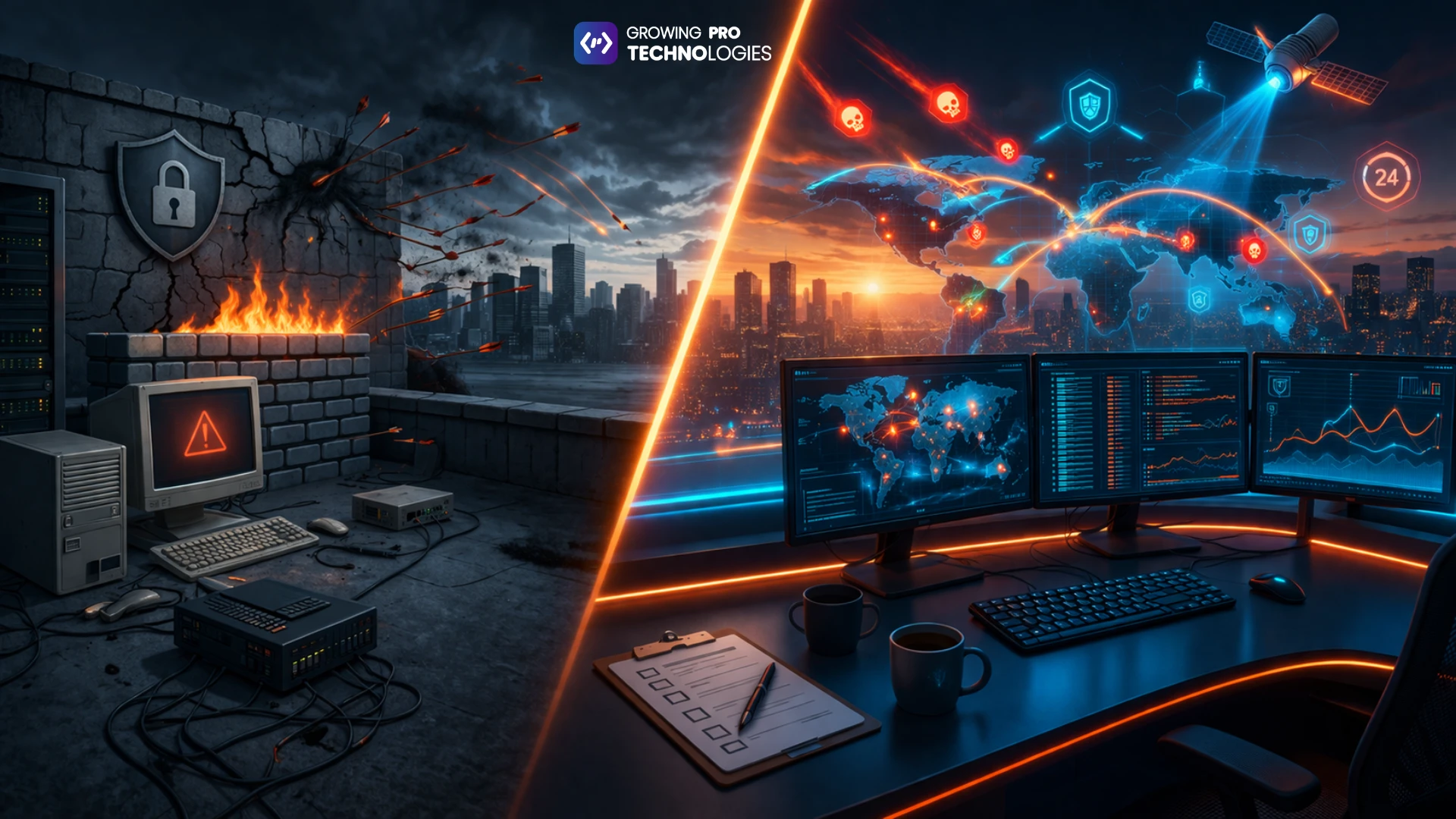
In today’s hyper-connected digital landscape, cyber threats are evolving faster than ever. Businesses of all sizes face increasing risks from ransomware, phishing attacks, insider threats, and advanced persistent threats (APTs). To combat these challenges, organizations must adopt robust security strategies. Two commonly compared approaches are traditional security models and modern Security Operations Center (SOC) solutions. Understanding the difference between them is critical to building a resilient defense system.
This article explores how 24/7 soc services differ from traditional security methods and why modern businesses are shifting toward continuous monitoring and proactive threat management.
What Is Traditional Security?
Traditional security refers to the conventional approach to protecting IT infrastructure using standalone tools and reactive measures. This model typically includes:
- Firewalls
- Antivirus and anti-malware software
- Intrusion detection systems (IDS)
- Periodic vulnerability scans
While these tools are essential, they often operate in silos and rely heavily on manual intervention. Traditional security focuses primarily on prevention rather than detection and response.
Limitations of Traditional Security
Although widely used, traditional security has several drawbacks:
- Reactive Approach: Most traditional systems respond only after a threat has been detected or damage has occurred.
- Limited Visibility: Without centralized monitoring, it becomes difficult to gain a holistic view of the network.
- Lack of Continuous Monitoring: Security teams often work during business hours, leaving systems vulnerable after hours.
- Slow Incident Response: Manual processes and fragmented tools can delay threat detection and mitigation.
- Difficulty Handling Advanced Threats: Modern cyberattacks use sophisticated techniques that can bypass basic security tools.
What Are 24/7 SOC Services?
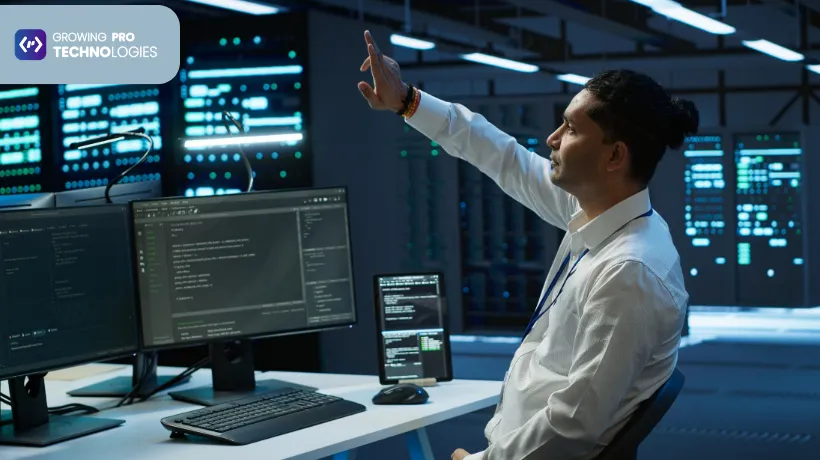
A Security Operations Center (SOC) is a centralized hub where cybersecurity professionals monitor, detect, and respond to threats in real time. Unlike traditional security, SOC services offer continuous surveillance and proactive defense mechanisms.
24/7 SOC services provide around-the-clock monitoring, ensuring that threats are identified and addressed immediately, regardless of when they occur.
Key Features of 24/7 SOC Services
- Continuous monitoring of networks, systems, and endpoints
- Real-time threat detection and analysis
- Incident response and remediation
- Threat intelligence integration
- Security Information and Event Management (SIEM) tools
- Automated alerts and reporting
These capabilities make SOC services a comprehensive and dynamic approach to cybersecurity.
Key Differences Between 24/7 SOC Services and Traditional Security
1. Monitoring and Availability
Traditional Security: Monitoring is often limited to working hours or periodic checks, leaving gaps in protection.
24/7 SOC Services: Provide round-the-clock monitoring, ensuring no suspicious activity goes unnoticed at any time.
2. Threat Detection Approach
Traditional Security: Relies on signature-based detection, which identifies known threats but struggles with new or evolving ones.
24/7 SOC Services: Utilize advanced analytics, behavioral monitoring, and threat intelligence to detect both known and unknown threats.
3. Response Time
Traditional Security: Incident response can be delayed due to manual processes and lack of real-time alerts.
24/7 SOC Services: Enable rapid detection and immediate response, minimizing potential damage.
4. Integration and Visibility
Traditional Security: Security tools often function independently, leading to fragmented insights.
24/7 SOC Services: Centralize data from multiple sources, providing a unified view of the entire IT environment.
5. Proactive vs Reactive Security
Traditional Security: Primarily reactive, addressing threats after they occur.
24/7 SOC Services: Proactive in nature, identifying vulnerabilities and suspicious behavior before they escalate.
6. Scalability
Traditional Security: Scaling requires adding more tools and resources, which can be costly and complex.
24/7 SOC Services: Easily scalable to meet the growing needs of businesses, making them ideal for organizations of all sizes.
Why Businesses Are Moving Toward 24/7 SOC Services
As cyber threats become more advanced, organizations are recognizing the limitations of traditional security models. Here are some key reasons why businesses are adopting SOC services:
- Enhanced Threat Protection: Continuous monitoring ensures that threats are identified and mitigated before they cause significant harm.
- Reduced Downtime: Quick response times help minimize disruptions to business operations.
- Compliance Support: SOC services assist in meeting regulatory requirements by maintaining logs, reports, and security protocols.
- Cost Efficiency: Outsourcing SOC services eliminates the need to build and maintain an in-house security team, reducing operational costs.
- Access to Expertise: Businesses gain access to experienced cybersecurity professionals and advanced technologies without significant investment.
Real-World Example
Consider an eCommerce company handling sensitive customer data. With traditional security, a phishing attack that occurs after business hours may go undetected until the next day, resulting in data loss and reputational damage.
In contrast, with 24/7 soc services, the suspicious activity would be flagged immediately. The SOC team could isolate affected systems, block malicious IPs, and prevent further damage within minutes. This proactive response can save businesses from costly breaches.
Choosing the Right Security Approach
While traditional security tools still play a role, they are no longer sufficient on their own. A layered security strategy that combines basic tools with advanced SOC capabilities is the most effective approach.
When selecting a SOC provider, consider the following:
- Experience and expertise in cybersecurity
- Availability of 24/7 monitoring
- Integration with existing systems
- Use of advanced technologies like AI and machine learning
- Transparent reporting and communication
The Future of Cybersecurity
The future of cybersecurity lies in automation, artificial intelligence, and real-time threat intelligence. SOC services are continuously evolving to incorporate these technologies, making them more efficient and effective.
As cybercriminals become more sophisticated, businesses must adopt equally advanced defense mechanisms. Relying solely on traditional security methods is no longer enough to safeguard critical assets.
Conclusion
The difference between traditional security and SOC services is clear. Traditional models provide a foundational level of protection but fall short in addressing modern cyber threats. On the other hand, 24/7 SOC services offer continuous monitoring, proactive threat detection, and rapid response capabilities that are essential in today’s digital environment.
For businesses looking to stay secure, competitive, and compliant, investing in SOC services is no longer optional—it’s a necessity. By transitioning from reactive security to a proactive, always-on defense system, organizations can better protect their data, reputation, and future growth.























Sign in to leave a comment.