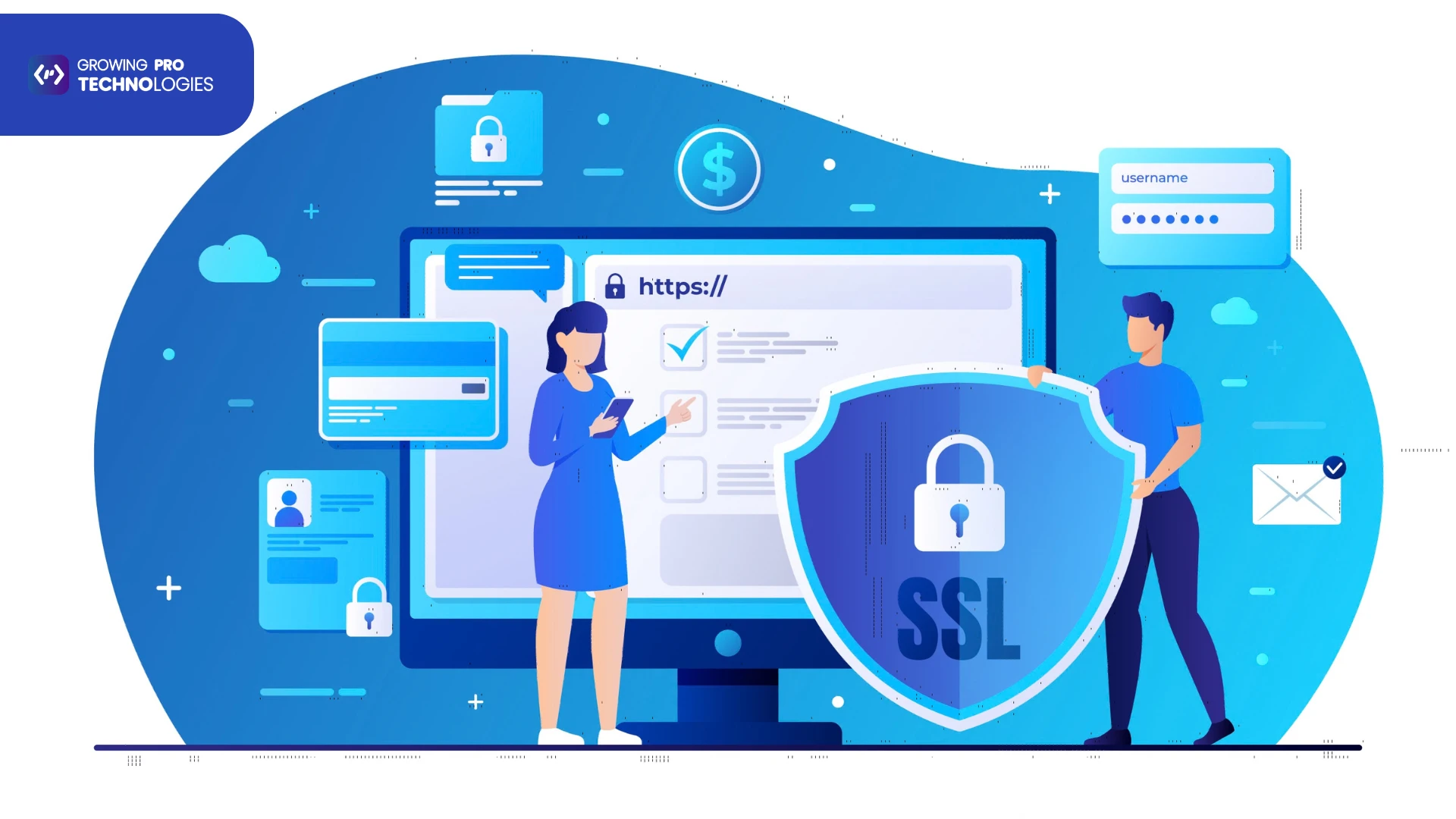

In today’s rapidly evolving digital landscape, cybersecurity threats are becoming more sophisticated and frequent. Businesses across industries rely heavily on software applications to manage operations, store sensitive data, and deliver services to customers. However, insecure software can expose organizations to serious cyber risks, including data breaches, financial loss, and reputational damage. This is where secure software development services play a critical role in protecting applications from vulnerabilities and cyberattacks.
By integrating security practices throughout the entire software development lifecycle (SDLC), organizations can significantly reduce cybersecurity risks and build resilient, trustworthy digital solutions.
Understanding Secure Software Development
Secure software development is a structured approach to building applications with security embedded at every stage of the development process. Instead of addressing security issues after the software is built, developers implement security controls from the design phase to deployment and maintenance.
Traditional software development often focuses primarily on functionality and performance. Security is sometimes treated as an afterthought, which can leave applications vulnerable to exploitation. Secure development practices shift this mindset by prioritizing security from the beginning.
Businesses that invest in professional secure software development services can ensure their applications are designed with robust protection mechanisms that prevent common vulnerabilities and minimize potential attack surfaces.
Why Cybersecurity Risks Are Increasing
Cyber threats are evolving faster than ever before. Attackers are constantly developing new techniques to exploit weaknesses in applications, systems, and networks. Some of the most common cybersecurity risks organizations face include:
- SQL Injection attacks
- Cross-Site Scripting (XSS)
- Broken authentication
- Insecure APIs
- Data exposure
- Misconfigured security settings
These vulnerabilities often originate from poorly written code or insufficient security testing during development. Without a secure development approach, organizations may unknowingly release applications that contain exploitable flaws.
Secure software development helps prevent these risks by identifying vulnerabilities early and implementing strong security measures before the application goes live.
Key Ways Secure Software Development Reduces Cybersecurity Risks
1. Security Integration Throughout the Development Lifecycle
Secure software development integrates security into every phase of the SDLC, including planning, design, development, testing, and deployment.
By incorporating security practices early in the process, developers can identify vulnerabilities before they become costly problems. This approach, often referred to as “shift-left security,” ensures that security is not postponed until the final stages of development.
Early detection reduces remediation costs and prevents security flaws from reaching production environments.
2. Secure Coding Practices
Secure coding is one of the most important components of secure software development. Developers follow established security standards and best practices to write code that resists common attack methods.
Secure coding practices include:
- Input validation and output encoding
- Proper authentication and authorization mechanisms
- Secure session management
- Encryption of sensitive data
- Protection against injection attacks
When development teams follow these practices, the likelihood of introducing exploitable vulnerabilities into the codebase is significantly reduced.
3. Automated Security Testing
Another major benefit of secure software development services is the integration of automated security testing tools. These tools continuously scan the code for potential vulnerabilities during development.
Common testing methods include:
- Static Application Security Testing (SAST) – analyzes source code for vulnerabilities
- Dynamic Application Security Testing (DAST) – tests running applications for security flaws
- Software Composition Analysis (SCA) – identifies vulnerabilities in third-party libraries
Automated testing enables teams to quickly detect and fix issues before they become security threats.
4. Threat Modeling and Risk Assessment
Threat modeling is a proactive approach that identifies potential attack vectors during the design phase of software development. Security experts analyze how attackers might attempt to compromise the system and implement safeguards accordingly.
This process involves:
- Identifying sensitive assets and data
- Evaluating potential attack paths
- Designing security controls to mitigate risks
By anticipating threats before the application is built, organizations can prevent vulnerabilities rather than reacting to them later.
5. Strong Data Protection Mechanisms
Modern applications handle large volumes of sensitive data, including personal information, financial records, and intellectual property. Without proper security measures, this data can become a prime target for cybercriminals.
Secure software development services ensure data protection through:
- End-to-end encryption
- Secure APIs and communication protocols
- Access control and identity management
- Secure storage practices
These measures help prevent unauthorized access and ensure compliance with data protection regulations.
6. Continuous Security Monitoring and Updates
Cybersecurity is not a one-time effort. Even after software is deployed, new vulnerabilities and threats may emerge over time.
Secure software development includes ongoing monitoring and updates to address newly discovered risks. Regular security patches, vulnerability scans, and penetration testing help ensure the application remains secure throughout its lifecycle.
Continuous monitoring allows organizations to detect suspicious activity early and respond quickly to potential threats.
Business Benefits of Secure Software Development
Investing in secure software development services provides several long-term benefits for organizations.
- Reduced Risk of Data Breaches: Applications built with strong security measures are far less likely to be compromised, reducing the chances of costly data breaches.
- Regulatory Compliance: Many industries must comply with strict data security regulations such as GDPR, HIPAA, and PCI-DSS. Secure development practices help organizations meet these requirements.
- Improved Customer Trust: Customers are more likely to trust businesses that prioritize data protection and cybersecurity.
- Lower Maintenance Costs: Fixing security vulnerabilities during development is significantly cheaper than addressing them after deployment.
- Stronger Brand Reputation: Organizations known for secure digital products gain a competitive advantage in today’s security-conscious market.
The Role of DevSecOps in Secure Development
Modern development environments increasingly adopt DevSecOps, a methodology that integrates security into DevOps workflows. In DevSecOps, security teams collaborate closely with developers and operations teams to automate security processes.
This approach ensures that security checks are embedded within CI/CD pipelines, allowing organizations to release software quickly without compromising security.
DevSecOps promotes a culture where security becomes a shared responsibility across all teams involved in software development.
Best Practices for Implementing Secure Software Development
Organizations looking to strengthen their cybersecurity posture should follow several key best practices:
- Adopt a secure software development lifecycle (SSDLC)
- Train developers in secure coding standards
- Conduct regular security audits and penetration tests
- Use automated security testing tools
- Implement strong identity and access management systems
- Monitor applications continuously for vulnerabilities
These practices help create a strong foundation for building secure and reliable applications.
Conclusion
As cyber threats continue to grow in complexity, organizations can no longer afford to treat security as an afterthought in software development. Vulnerabilities introduced during development can expose businesses to severe cybersecurity risks, including data breaches, regulatory penalties, and financial loss.
Secure software development services provide a proactive solution by embedding security into every phase of the development lifecycle. From secure coding practices and automated testing to threat modeling and continuous monitoring, these services help organizations build resilient applications that can withstand modern cyber threats.
By prioritizing secure development, businesses not only reduce cybersecurity risks but also build trust with customers, protect sensitive data, and ensure long-term digital success.
























Sign in to leave a comment.