
A veneer is a thin layer of wood glued to a thicker substrate used extensively in furniture construction, as well as in cabinetry and other architectural applications. They are available in a variety of thickness and backing options. In this blog, we will discuss three creative ways to use thick wood veneers in home renovations.
What is the thickness of veneer, and why does it matter?
It is important to consider veneer thickness because different applications require different structural integrity from a surfacing solution. For example, if you are covering a large surface area and greater stability, you will need thick wood veneers to avoid using too many pieces and to ensure a more seamless look. Conversely, thinner veneers may be better suited if you are working on a smaller project or want a more delicate look.
Sheet or veneered laminates and fleece backed veneers are typically thinner wood veneer variants compared to plywood and MDF backed veneers, making them easier to work with. They can also be cut into shapes and applied to curved surfaces. However, thin veneers are more likely to crack and chip than thick wood veneer counterparts. Thickness of veneers also reflect on its stability and durability, making thick wood veneers ideal for high-traffic areas or places where furniture might get bumped around. Such veneers are also less likely to warp over time. However, because they're thicker, they can be more difficult to work with during construction.
Ways to use thick wood veneer in your home redesign
Veneer sheets are an excellent way to add some natural wood elements to your home without the maintenance related hassles of solid wood. Here are three ways you can use them in your home redesign:
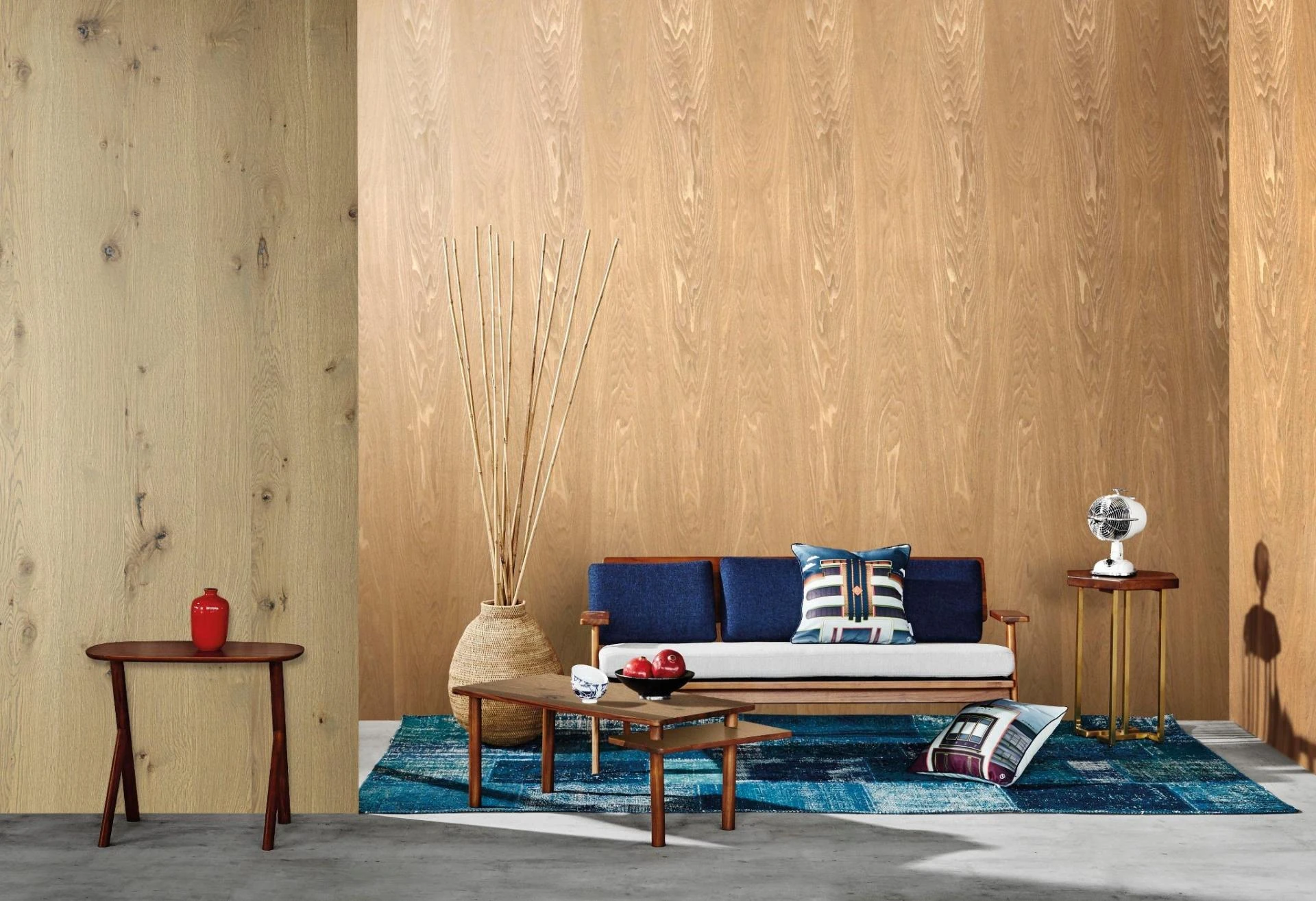
Feature walls: Choose patterns and colors that complement your space, and have fun with them! Timber veneer can be used as an alternative to wallpaper, allowing you to create a feature wall or inject warmth into a room without committing to painting the entire space.
Wainscoting: Wainscoting is a type of paneling that covers part of a wall, usually starting at waist level or higher. To create wainscoting using veneer, attach strips of wood trim around the perimeter of each section you want to be paneled, then adhere your veneer panels over the top (you may need to use liquid nails for this). Finish by capping the trim with molding, then paint or stain everything to match your desired look.
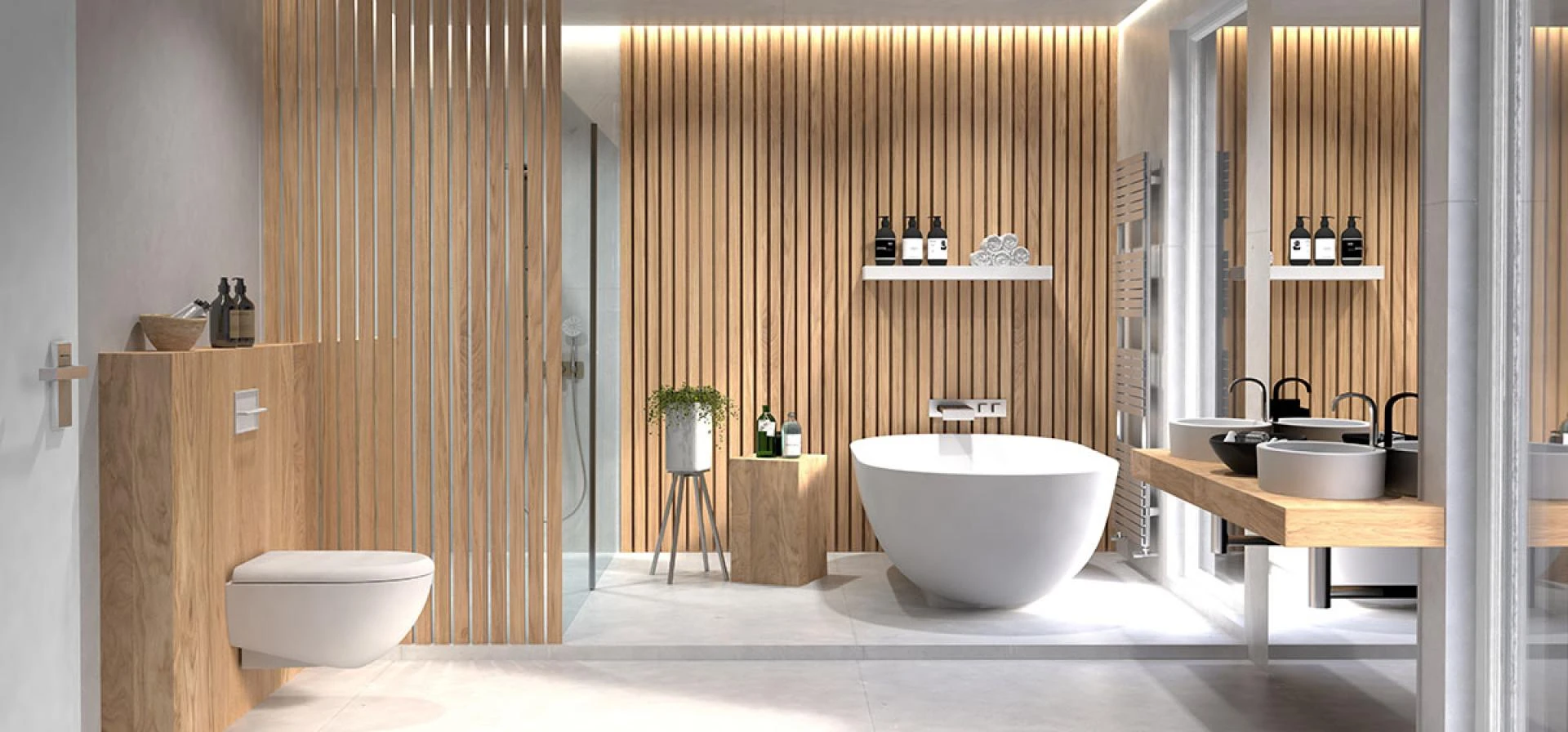
Line cupboards and shelves: Add visual interest to plain cupboards and shelves by lining them with thick wood veneers. It is a great way to add character to rooms like kitchens and bathrooms, which often lack architectural detailing. The thickness of the veneer will add to the strength of the shelves too. Use contact adhesive or double-sided tape to attach the veneer, and trim any excess with a sharp knife.
Final Word
Veneer is available in many colors and grain patterns. It is a versatile finishing material applied to doors, furniture, floors, and walls. Thicker veneers are ideal for use in cabinets, floors, walls, doors and much. If you are looking to redesign your space with wood veneers, shop from a leading veneer brand that offers a variety of options in veneer sizes and thickness.








Sign in to leave a comment.