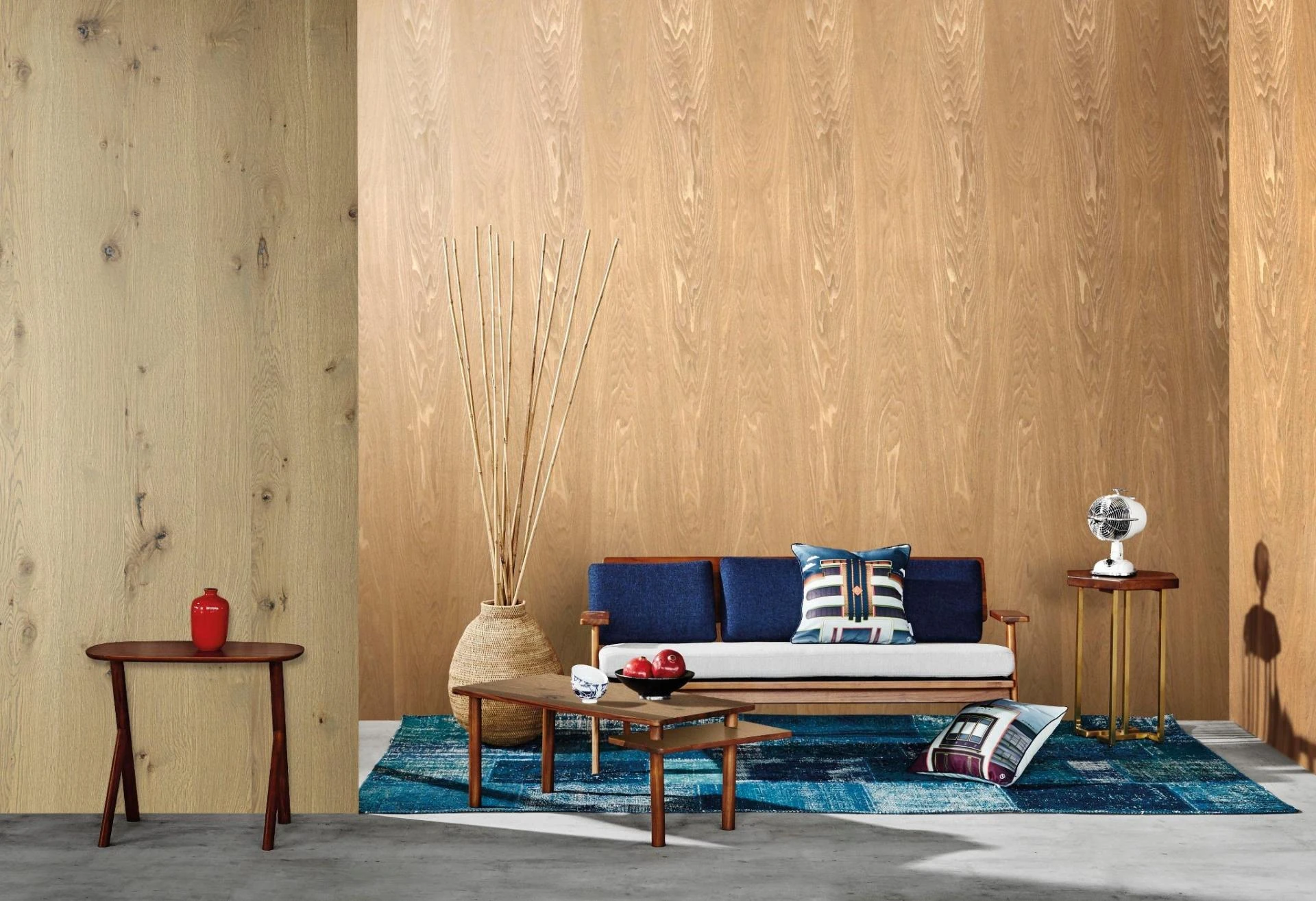

In today’s fast-paced cities, where space is a modern luxury, engineered wood veneer furniture has become a preferred choice for those seeking elegance without compromise. Its refined grains and controlled tonalities bring the warmth of real wood into compact interiors with remarkable ease. Whether expressed through the rich allure of walnut texture, the serenity of oak grain or the timeless appeal of teak-inspired finishes, these surfaces create visual cohesion that makes smaller rooms feel more open and thoughtfully curated. This blog explores why engineered wood veneer furniture complements urban living so seamlessly, from its visual impact to its stability, versatility and long-term performance.
Understanding Engineered Wood Veneers
Engineered wood veneers are crafted from exceptionally thin slices of real timber, typically around 0.25 mm, which are pressed onto a stable substrate such as plywood, MDF or HDF. This layered construction allows the surface to retain the authenticity of natural grain while benefiting from the dimensional stability of a balanced core. The veneer face is the visible layer offering authentic grain patterns, while the engineered core provides a stable foundation that resists everyday movement. A high-quality adhesive brings these layers together in a long-lasting bond. Together, these components form engineered wood veneer, a material that enables furniture to showcase the beauty of real timber with reassuring consistency.
Space-Enhancing Aesthetics
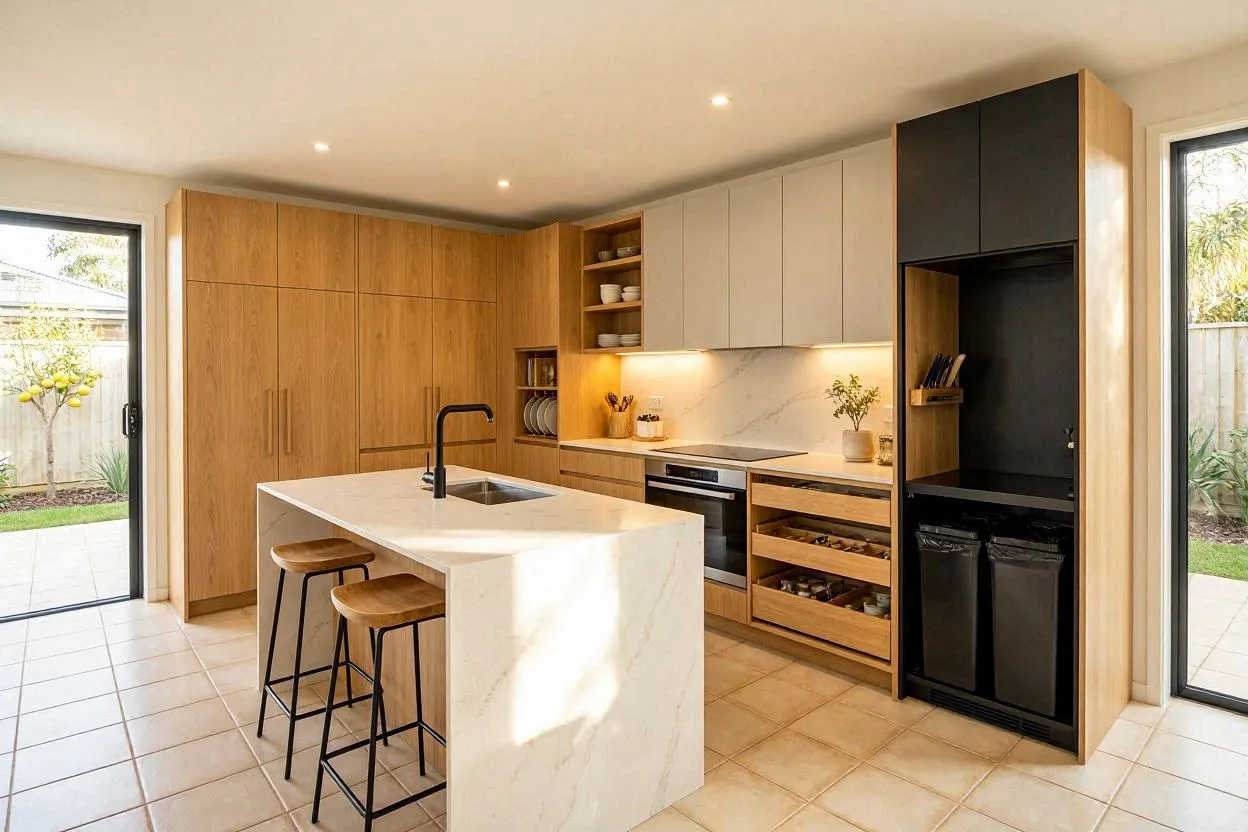
In compact urban homes, surfaces that feel calm and visually consistent can transform the sense of space. Furniture finished with engineered wood veneers helps this openness through gentle grains, refined tones and naturally balanced movement. These qualities work together to shape how a room feels, enhancing light flow, perceived scale and overall visual clarity in subtle yet meaningful ways.
- Cohesive grain across engineered wood veneer furniture reduces visual breaks, helping small rooms appear more ordered and expansive.
- Grain direction influences perception, with vertical grains adding height and horizontal grains widening the visual field.
- Lighter expressions inspired by oak, ash, pale maple or beech brighten the palette and help veneer surfaces sit more lightly within the room.
- Deeper tones used with intention, such as softened walnut texture, smoked oak or teak-inspired variants, add depth without overwhelming compact spaces.
- Aligned grains in decorative veneer sheets prevent surfaces from feeling busy, keeping the room visually calm and uncluttered.
- A thoughtful veneer finish in matte, satin or softly tinted tones enhances openness by allowing light to travel gently across the furniture.
Structural Stability for Everyday Living
In compact homes, furniture must remain steady despite daily use and shifting indoor conditions. The construction of engineered wood veneer furniture supports this need with reliable strength and controlled material behaviour.
- The thin timber layer in engineered wood veneer furniture is supported by a balanced core, which helps control natural wood movement and reduces the likelihood of warping in humid or fluctuating indoor conditions.
- Stable substrates such as plywood, MDF or HDF act as a reliable foundation, helping veneer furniture hold its shape without cupping or twisting over time.
- Cross-laminated or high-density boards distribute internal stresses across layers, giving load-bearing elements like shelves, wardrobes and compact storage units steady structural support for daily use.
- The engineered core tempers the responsiveness of the timber surface, keeping veneered panels consistent and preventing seasonal expansion or contraction.
- Precision bonding between the veneer face and the substrate strengthens the overall build, contributing to long-term durability in everyday residential environments.
Versatile Design Possibilities
The adaptability of engineered wood veneer allows designers to shape distinctive, personalised expressions across a wide range of interior elements. Its curated grains, controlled formats and broad palette of tones give each surface the freedom to reflect an individual design vision without constraint.
- Decorative veneer sheets can be crafted in flat-sawn, quarter-sawn or reconstituted forms, offering choices that range from flowing cathedral grains to uniform, linear expressions.
- Matching techniques such as bookmatching, slip-matching and cross-matching enable veneer furniture to achieve striking, customised patterns on wardrobe fronts, tabletops or full-height panels.
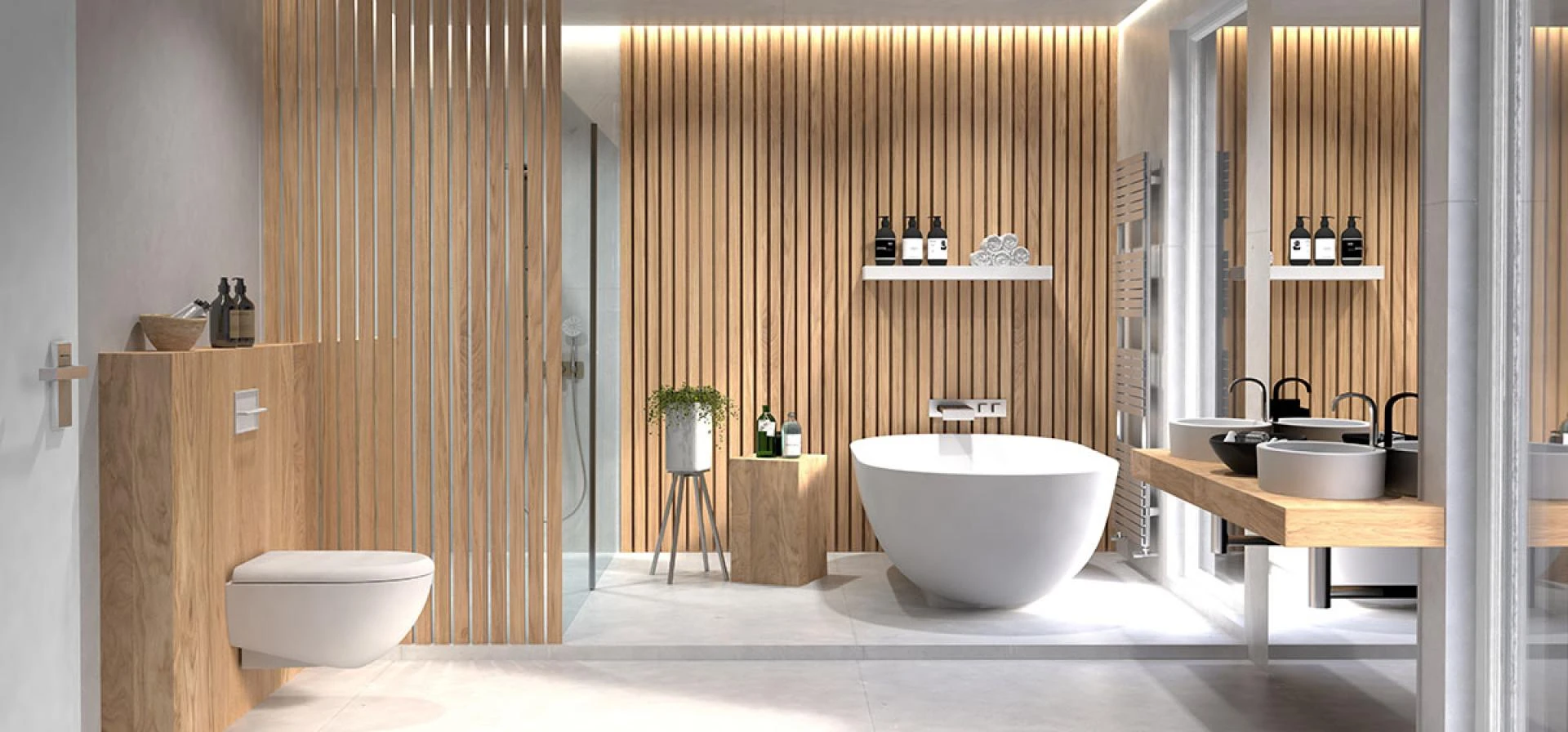
- The variety within engineered wood furniture makes it easy to maintain a cohesive design language across different applications, from sideboards and shelving to full wall treatments.
- A wide selection of veneer finish options allows surfaces to adopt different characters, shifting from soft matte tactility to more refined satin sheen depending on the desired expression.
- The versatility of wood veneer supports a broad range of interior styles, shaped through choices in grain type, cut and tone, accommodating minimal, classic, warm or contemporary interpretations without overlap in visual intent.
Cost-Efficient Luxury
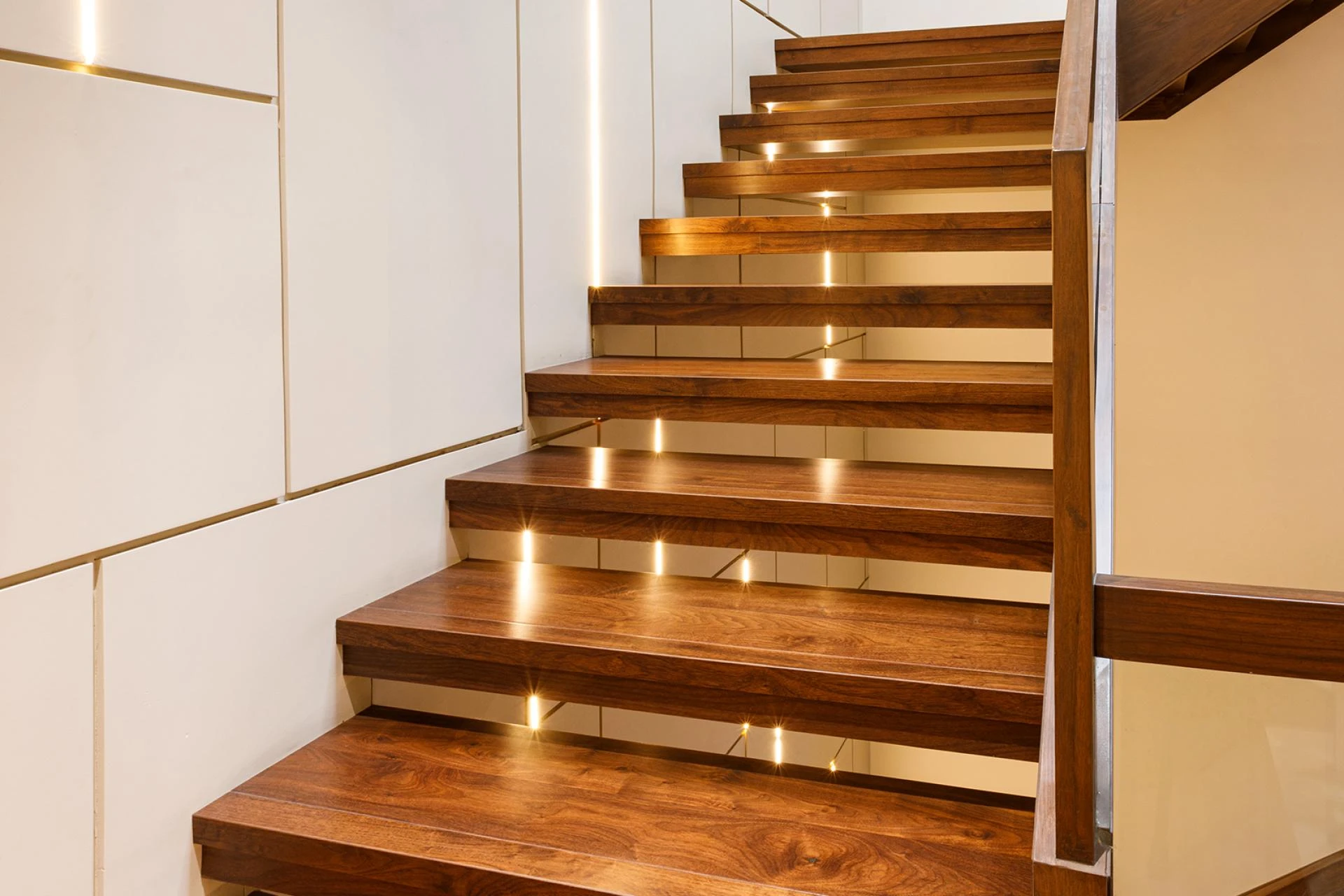
Solid wood in premium species can be costly, especially when used across larger surfaces. Engineered wood veneer offers a more resource-conscious way to achieve the same elevated look by applying only a thin layer of real timber while retaining its authentic character. This approach allows luxury grains, including walnut texture, teak-inspired tones and rosewood-like patterns, to be enjoyed without the material demand of solid boards.
- A single log can yield multiple sheets of wood veneer, making expressive timber looks achievable with significantly less raw material.
- Pre-finished panels help streamline installation, allowing veneer furniture to take on a refined, high-quality appearance with reduced on-site effort.
- Precise manufacturing minimises offcuts, ensuring that each section of veneer is used with intention and minimal waste.
- By balancing premium aesthetics with efficient material use, engineered wood furniture offers a polished, sophisticated presence that aligns with budget-aware luxury.
Easy Maintenance and Long-Term Durability
Engineered wood veneer furniture is crafted to handle the practical demands of daily use while remaining easy to care for. Its treated surfaces and stable core construction help it stay resilient over time, even in smaller homes where furnishings are used continuously. Routine cleaning with a soft cloth keeps surfaces clear of dust and maintains the smooth feel of wood veneer without requiring intensive upkeep.
- Protective coatings applied during manufacturing help resist minor marks and everyday wear, allowing veneer furniture to retain its finish with minimal effort.
- Light surface scuffs can often be addressed through simple spot correction, making small touch-ups practical without the need for full refinishing.
- In modular setups, individual veneer panels can be replaced if needed, extending the lifespan of engineered wood furniture without disturbing the entire installation.
- Consistent surface protection and the inherent stability of engineered substrates support long-term reliability, ensuring the veneer performs well through years of daily use.
Conclusion
As living spaces evolve, so does the desire for materials that balance beauty with purpose. Thoughtfully crafted engineered wood veneer furniture allows homeowners to enjoy the warmth of real timber while embracing the consistency and refinement suited to modern living. It offers a way to shape interiors with intention, where every surface contributes to a sense of harmony rather than visual noise. It is worth partnering with a reputable manufacturer who can guide you toward the right species, cuts and wood veneer finishes for your vision. With the right expertise behind each choice, your interiors can carry a natural sophistication that endures well into the future.
























Sign in to leave a comment.