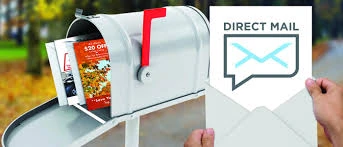

Ensure your marketing efforts connect with the right audience every time.
Are you targeting the best prospects for your business? If not, you might be wasting your advertising budget. Direct mail campaigns give you the unique ability to reach specific, targeted audiences. To make the most of this strategy, start by choosing mailing lists that include your most promising potential customers. Below are three proven methods to ensure your mailings hit the mark.
Method #1: Similarity Breeds Success
One of the simplest and most effective ways to create a targeted mailing list is to focus on people who resemble your current best customers.
Steps to implement:
- Know Your Audience:
- Start by gathering as much information as possible about your best customers. Ask questions like:
- Who are they?
- What are their demographics?
- What interests and hobbies do they have?
- Gather Data:
- Conduct surveys or interviews with your customers to gain deeper insights. Offer incentives like discounts, coupons, or contest entries to encourage participation. Be transparent about how you’ll use the information, reassuring them that their responses will remain confidential.
- Leverage Data Modeling Services:
- Take it a step further by using data modeling services from big data companies. These services analyze your customer base, providing valuable insights like age, income, and interests. Armed with this knowledge, you can provide your list broker with specific criteria to ensure your rented mailing lists closely match your ideal customer profile.
Method #2: Follow the Response
Not all mailing lists are created equal. The type of list you use can make or break your campaign.
Types of mailing lists:
- Compiled Lists:
- These lists are created using data from sources like warranty cards, government records, surveys, and more. While they offer a broad audience with shared traits, they lack the guarantee of action. Prospects on compiled lists haven’t shown a proven interest or purchasing behavior.
- Response Lists:
- Unlike compiled lists, response lists include individuals who have taken action—whether by inquiring about, responding to, or purchasing a related offer. These are your best prospects since they’ve already demonstrated interest and engagement in your industry or product category.
Takeaway:
Whenever possible, prioritize response lists over compiled lists. Proven buyers are far more likely to respond to your offer.
Method #3: Copy Your Competition
One of the most overlooked yet powerful methods is learning from your competitors’ strategies.
How to execute:
- Research Competitors:
- Identify businesses in your industry that are using direct mail effectively. If your local competitors aren’t leveraging direct mail services, look for successful examples in other areas.
- Use List Brokers:
- Work with a list broker to uncover the mailing lists your competitors are using. Seek out continuation usage data, which reveals whether a competitor has repeatedly used a particular list.
- Analyze the Data:
- High continuation usage indicates that a list is yielding excellent results and is worth your investment.
- Low continuation usage suggests the list didn’t perform well, making it one to avoid.
Pro Tip:
By emulating the strategies of top-performing competitors, you can sidestep trial and error, focusing your efforts on lists with proven success.
Conclusion
Targeting the right audience is essential for maximizing the effectiveness of your direct mail campaigns. By using these three methods—focusing on customer similarities, prioritizing response lists, and analyzing competitor strategies—you can ensure your mailers reach the prospects most likely to respond. With these targeted approaches, you’ll get the best possible return on your direct mail investment.
































Sign in to leave a comment.