
Plenty of people stretch their hip flexors regularly and still feel just as tight by the end of the day. Usually, it's not that stretching doesn't work; it's that one or two small habits are quietly working against the effort. At CastleFlexx, these are the mistakes we see most often, and every one of them is an easy fix once you know what to look for while doing seated hip flexor stretches.
Here are the three that come up constantly, and what to do instead.
Mistake 1: Letting the Stretch Drift Into the Lower Back
This is the most common issue by far. Without a small posterior pelvic tilt, essentially a light tuck of the tailbone, a hip flexor stretch tends to migrate into the lumbar spine instead. The person doing it often feels something, so it seems like it's working, but the sensation is coming from the wrong place entirely.
The fix is simple but takes some practice: tuck the tailbone lightly before shifting your hips into the stretch position, and you should feel a distinct pulling sensation at the front of the hip rather than in your lower back.
Mistake 2: Treating One Long Session as Enough
Some people save their stretching for a single session at the end of the workday, assuming that covers it. But hip flexors that have been shortened for eight hours don't fully respond to five minutes of stretching once, no matter how well it's done. Brief stretches spread throughout the day, even just 20 to 30 seconds every hour, tend to outperform a single longer session because they interrupt the sustained shortening pattern instead of just addressing it after the fact.
Mistake 3: Skipping the Glute Side of the Equation
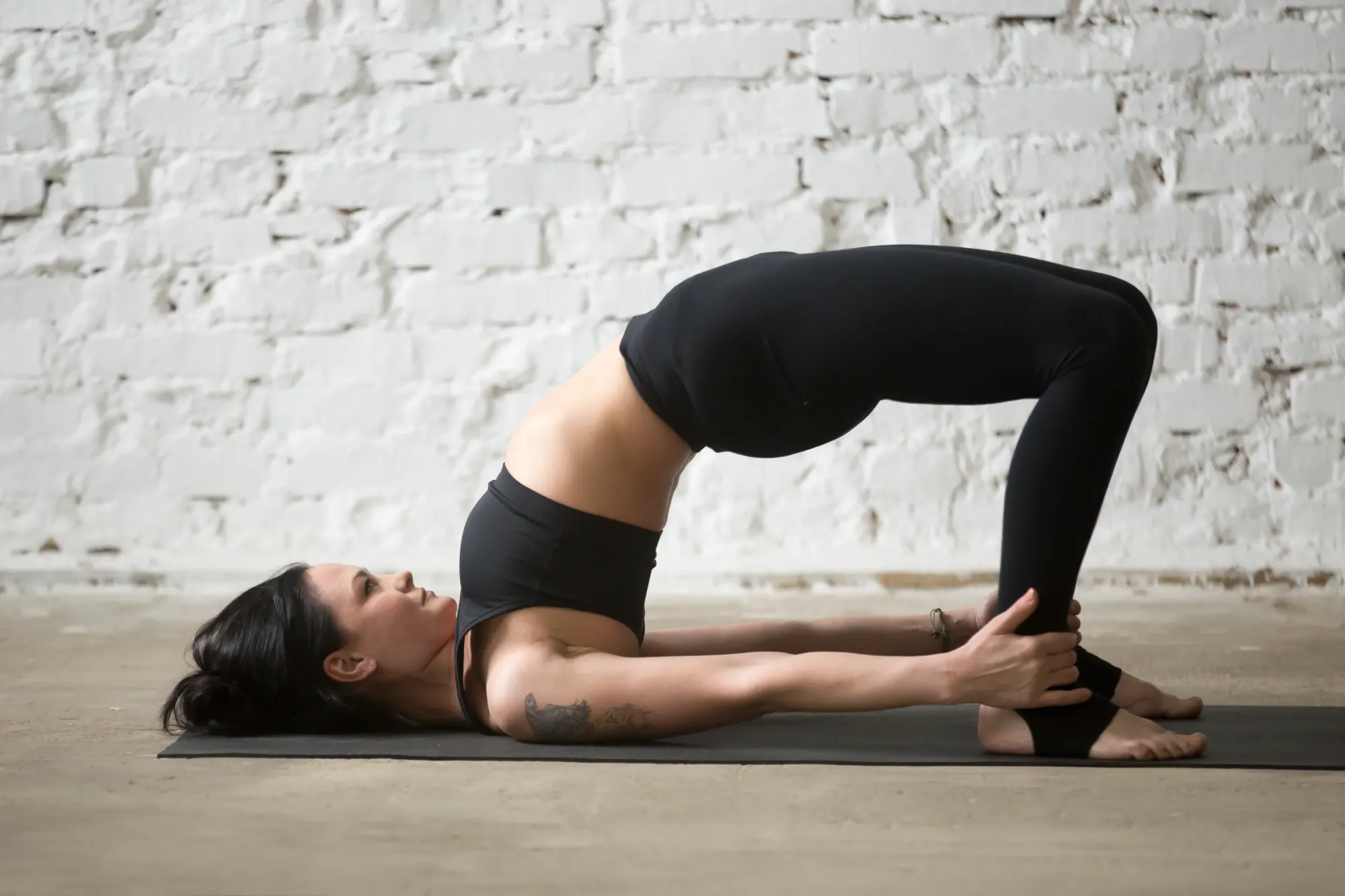
Seated hip flexor stretches address tightness directly, but sitting also weakens the glutes over time, which is part of what keeps the hip flexors chronically overworked in the first place. Stretching without also addressing glute strength tends to produce temporary relief that doesn't fully hold. Adding a simple glute exercise, like bridges, a few evenings a week targets the other half of the pattern that stretching alone can't fix.
Putting the Fixes Together
None of these corrections require more time in your day, just a bit more attention to how you're doing what you're already doing. Cueing a slight pelvic tuck, spreading stretches throughout the day rather than saving them for one session, and adding some glute work covers most of what separates a routine that plateaus from one that actually resolves the tightness.
We put together a complete guide to seated hip flexor stretches with the correct technique cues built in for each one, along with an hourly routine designed to fit around a real workday.
Give the Corrected Approach a Fair Trial
Making these small adjustments tends to produce a noticeably faster improvement than the same stretches done without them. Most people notice a difference in how their hips feel standing up from their chair within a week or two of correcting these habits.
If you're refining your routine and want some extra support with consistency, we at CastleFlexx design devices built around daily lower-body mobility work. Feel free to visit us at castleflexx.com if that would help.
Frequently Asked Questions
Why does my hip flexor stretch sometimes feel like it's in my lower back instead?
Without a slight posterior pelvic tilt, the stretch sensation tends to drift into the lumbar spine rather than staying isolated to the hip flexor. Tucking the tailbone lightly before stretching helps direct it to the right place.
Is one long stretching session at the end of the day enough?
Not usually. Brief stretches spread throughout the workday tend to be more effective than a single longer session, since they interrupt the sustained shortening pattern rather than only addressing it afterward.
Why does glute strength matter for hip flexor tightness?
Sitting weakens the glutes over time, which forces the hip flexors to compensate and stay chronically tight. Adding glute-focused exercises alongside stretching addresses this underlying imbalance more completely.
How can I tell if I'm doing a hip flexor stretch correctly?
You should feel a distinct pulling sensation at the front of the hip. If the sensation shows up in your lower back instead, adjusting your pelvic position, usually with a light tailbone tuck, typically corrects it.
How quickly will fixing these mistakes make a difference?
Many people notice improved hip comfort within a week or two of correcting these habits, compared to continuing the same stretches without addressing the underlying technique issues.
























Sign in to leave a comment.