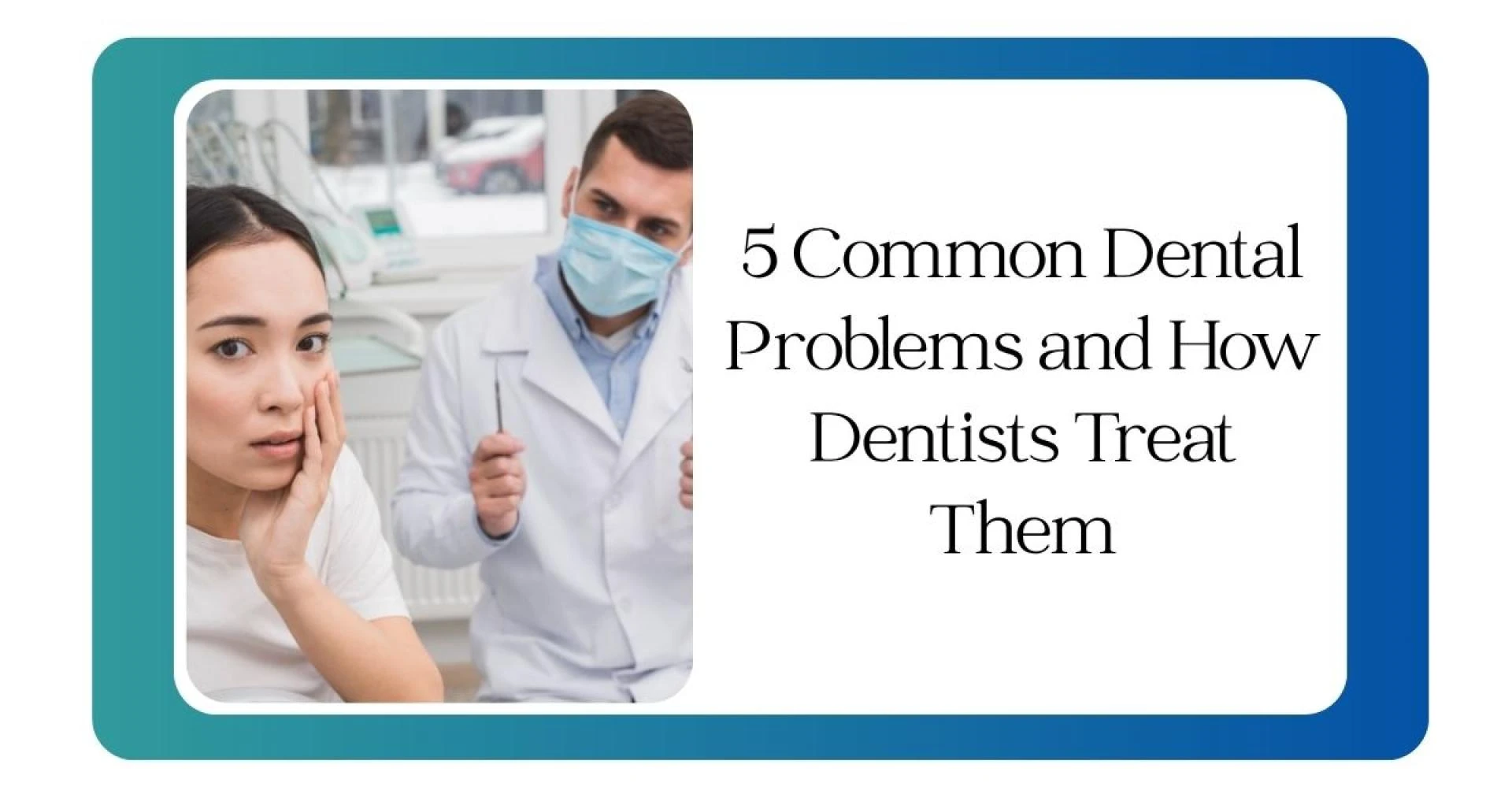
Dental problems often start small—slight discomfort, mild bleeding, or sensitivity—and gradually turn into major dental issues if left untreated. A lot of people search for a dentist close to me only when the pain becomes unbearable, but understanding these problems early can save both time and money. Oral health is directly connected to overall health, and issues like cavities, gum disease, and infections can affect not just your mouth but your entire body. This blog offers a detailed breakdown of five common dental problems and the treatments that dentists use to restore oral health, ensuring you know exactly what to expect and how to prevent these issues in the future.
1. Tooth Decay (Cavities)
Tooth decay is one of the most widely spread dental issues worldwide. It develops slowly and quietly, starting when food particles—especially sugary and starchy foods—stick to teeth and mix with bacteria to form plaque. As plaque produces acid, it wears away the enamel, creating tiny holes known as cavities. If ignored, the decay deepens, affecting layers beneath the enamel and eventually reaching the pulp, leading to severe pain and infection.
How Dentists Treat Tooth Decay
Dentists follow a structured approach depending on the stage of decay:
- Early-Stage Decay: When decay is minimal, fluoride treatments help rebuild enamel. These professional fluoride applications are much stronger than toothpaste or mouthwash, making them effective for early intervention.
- Moderate Decay: When decay has formed a noticeable cavity, dentists remove the decayed portion and fill it with materials like composite resin, amalgam, or porcelain. This not only restores function but also prevents further progression of decay.
- Severe Decay: If the cavity is large, dentists place a crown—a custom-made cap that covers the tooth and provides structural protection.
- Deep Decay with Infection: When bacteria reach the tooth pulp, root canal therapy becomes necessary. The infected tissue is removed, the area is disinfected, and the tooth is sealed to prevent reinfection.
Regular brushing, flossing, and professional cleanings are essential to prevent cavities from forming.
2. Gum Disease (Gingivitis and Periodontitis)
Gum disease begins quietly and painlessly, which is why many patients fail to notice it in its earliest form—gingivitis. It involves inflammation of the gums caused by plaque buildup along the gumline. If left untreated, gingivitis progresses to periodontitis, a serious condition where bacteria damage the gums, ligaments, and bone that support the teeth. This can eventually lead to tooth loosening or even tooth loss.
How Dentists Treat Gum Disease
Treatment depends on the severity:
- Professional Cleaning: For early gum disease, dentists perform thorough cleaning to remove plaque and tartar that normal brushing cannot eliminate.
- Scaling and Root Planing: As gum disease progresses, deep cleaning becomes necessary. This procedure removes bacteria from under the gumline and smooths root surfaces, allowing gums to reattach.
- Antibiotics: Dentists may prescribe antibiotics—either oral or applied directly to the gums—to control infection.
- Advanced Treatments: In severe cases, gum surgery, bone grafts, or flap surgery may be required to repair damaged tissues and restore gum health.
Practicing good oral hygiene and visiting the dentist regularly can significantly reduce the risk of gum disease.
3. Tooth Sensitivity
Tooth sensitivity is a widespread issue that causes sharp discomfort when teeth come in contact with hot, cold, sweet, or acidic foods. It usually occurs when enamel wears away or gums recede, exposing the underlying dentin. This exposes thousands of tiny tubules that connect to the tooth nerve, making teeth highly reactive.
How Dentists Treat Sensitivity
- Desensitizing Toothpaste: These toothpastes contain ingredients that help block the pathways to the nerve.
- Fluoride Treatments: Professionally applied fluoride strengthens enamel and reduces sensitivity.
- Bonding or Sealants: Dentists cover exposed root surfaces with special resin to protect them.
- Gum Grafting: For severe gum recession, gum graft surgeries cover exposed roots and significantly reduce sensitivity.
Avoiding overly acidic foods and maintaining proper brushing techniques can prevent enamel erosion.
4. Tooth Infection or Abscess
A dental abscess is one of the most painful dental emergencies. It forms when bacteria enter the tooth through deep decay, cracks, or trauma, causing infection in the pulp. This infection can spread rapidly into the jawbone and surrounding tissues, making immediate treatment crucial.
How Dentists Treat Infections
- Root Canal Therapy: This is the primary treatment for infected pulp. Dentists remove the infected tissue, clean the canals, and seal them.
- Drainage of Abscess: In some cases, the dentist may drain pus from the abscess before performing further treatment.
- Antibiotics: Used to control the spread of infection.
- Tooth Extraction: If the tooth is severely damaged and cannot be saved, it may need to be removed.
Ignoring an abscess can lead to serious health complications, so prompt treatment is essential.
5. Cracked or Broken Teeth
Cracks or fractures in teeth can occur due to injuries, chewing hard substances, grinding, or age-related enamel wear. Some cracks are superficial, while others run deep into the tooth and may affect the nerve.
How Dentists Treat Cracks
- Bonding: Minor cracks are treated with tooth-colored resin.
- Crowns: Larger cracks require dental crowns to restore strength and functionality.
- Root Canal: If the crack reaches the pulp, root canal therapy becomes necessary.
- Extraction: Deep or vertical cracks may make the tooth unsalvageable.
Wearing mouthguards and avoiding extremely hard foods can help prevent fractures.
Conclusion
Dental issues often begin with mild symptoms but can grow into major complications if ignored. Understanding these problems helps you identify warning signs early and seek professional help before matters worsen. Maintaining strong oral hygiene habits and scheduling regular checkups ensures long-term dental health. If you’re experiencing pain, sensitivity, or discomfort, it’s best to consult a dentist near me for immediate guidance and proper treatment.





























Sign in to leave a comment.