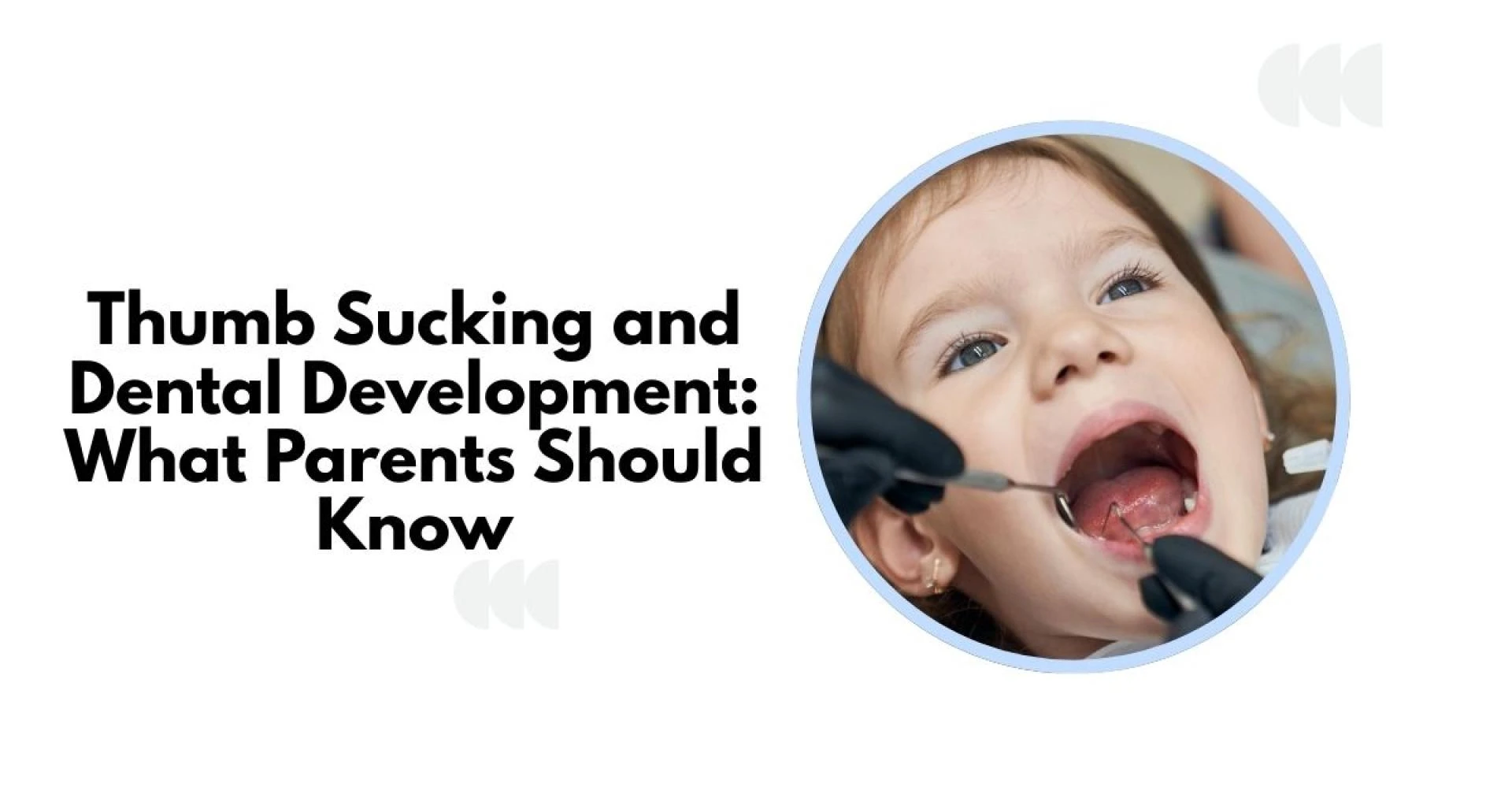
Thumb sucking is a natural and common habit among infants and toddlers. It is often used as a form of comfort, self-soothing, and emotional security. Most children stop the habit naturally as they grow, usually between ages two and four. However, when thumb sucking continues beyond the toddler stage, it may begin to affect oral health and proper jaw growth. Many parents become concerned when their child’s teeth start shifting or speech patterns change due to prolonged thumb sucking. Consulting a dentist close to me early can help parents understand whether intervention is necessary and what steps can protect their child’s dental development.
Why Children Suck Their Thumbs
Thumb sucking is instinctive and often begins before birth, as seen in ultrasound images. Babies continue the habit because it provides comfort and helps them fall asleep. In early childhood, it can also be a response to stress, boredom, or emotional need.
While the habit is harmless for infants, the duration, frequency, and intensity of thumb sucking play a major role in whether dental problems develop later.
How Thumb Sucking Affects Oral and Dental Development
If thumb sucking continues after permanent teeth begin to erupt (around age six), it can interfere with normal oral development. Some potential issues include:
1. Misaligned Teeth
Prolonged thumb sucking can push the upper front teeth forward and lower teeth inward, causing an open bite or overbite. Children may have difficulty closing their mouth properly, leading to aesthetic and functional issues.
2. Changes in Jaw Shape
Consistent pressure from the thumb can influence how the palate (roof of the mouth) grows. This may lead to a narrow dental arch, crowding of teeth, and improper bite alignment.
3. Speech Problems
Thumb sucking can interfere with tongue placement, leading to speech difficulties such as lisping, improper pronunciation of "s" and "th" sounds, or delayed speech development.
4. Impact on Breathing
Some children develop mouth breathing habits due to changes in jaw positioning and lip seal, which may lead to snoring, dry mouth, or sleep disturbances.
Signs That Thumb Sucking Is Affecting Your Child’s Teeth
Parents should watch for:
- Front teeth shifting forward or appearing spaced
- Difficulty biting or chewing food
- Changes in facial profile or jaw structure
- Child frequently keeping thumb in mouth even while active
- Speech becoming unclear or distorted
If any of these signs are noticeable, it may be time to take action and seek professional guidance.
How to Help Your Child Break the Habit
Breaking thumb sucking can be a sensitive process. Forcing a child to stop abruptly may cause stress or emotional resistance. Instead, gentle guidance and positive reinforcement work best.
1. Offer Emotional Support
Understand why your child is sucking their thumb. If it’s due to stress or insecurity, offer comfort through bonding, soothing routines, or communication.
2. Use Positive Reinforcement
Praise efforts, reward progress, or use a star chart to motivate your child. Encouragement creates more lasting results than punishment.
3. Provide Alternatives
Offer pacifiers (for younger children), soft toys, stress balls, or blankets to help them self-soothe without relying on thumb sucking.
4. Identify Triggers
Some children suck their thumb when sleepy, bored, or anxious. Recognizing triggers allows you to redirect the behavior with healthier coping mechanisms.
5. Gentle Awareness Techniques
Gently remind your child when the thumb goes in their mouth, especially if they do it unconsciously.
When to Seek Professional Help
If home strategies aren’t working or the habit persists after age five, a dentist or pediatric orthodontist can recommend customized treatment options. These may include:
- Habit-breaking appliances
- Behavioral therapy or counseling
- Orthodontic guidance
- Preventive monitoring of dental changes
Early professional intervention can prevent long-term dental complications and ensure proper jaw development.
Conclusion
Thumb sucking is a natural habit during early childhood, but prolonged sucking can negatively affect tooth alignment, jaw growth, and speech development. With gentle guidance, awareness, and timely intervention, most children can break the habit successfully and avoid future dental concerns. If you notice changes in your child’s teeth or are unsure whether thumb sucking is impacting development, consulting a dentist near me can help you get personalized advice and protect your child’s long-term oral health.































Sign in to leave a comment.