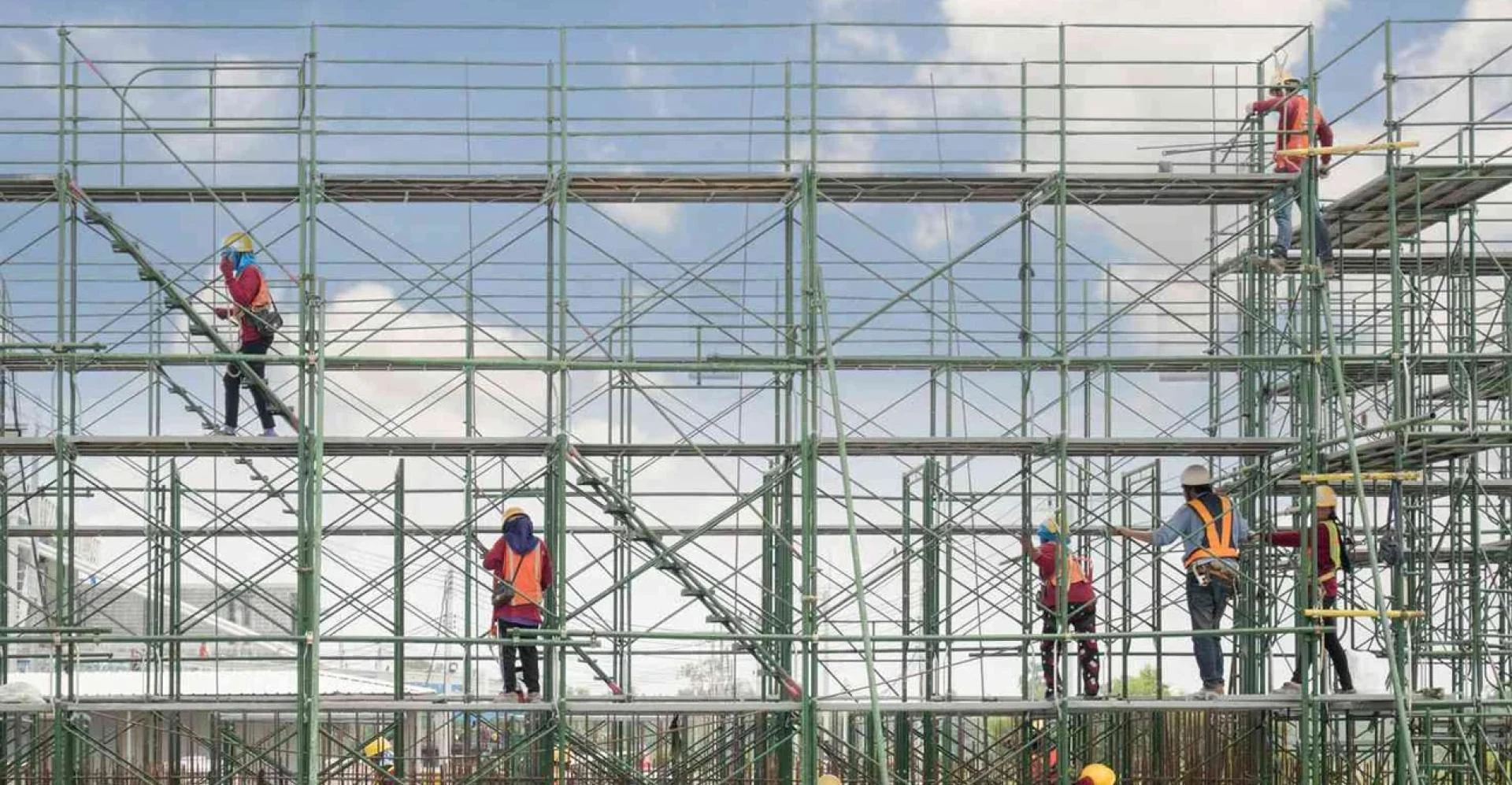
Renting scaffolding is a smart and cost-effective choice for construction contractors, renovation companies, and independent workers who require temporary working platforms. Scaffolding provides safety, height access, and convenience during various tasks such as painting, masonry, electrical installations, façade work, and maintenance. However, choosing the wrong equipment or rental partner can increase project cost, risk, and downtime. To help ensure a smooth experience, this guide explains five essential, actionable tips for renting scaffolding effectively, safely, and confidently.
Understand Your Project Requirements
Before approaching a rental provider, it is important to clearly define the needs of your project. Scaffolding types vary significantly based on height, load capacity, working area, and job purpose. For example, a small interior renovation may only require a compact aluminium tower, while large-scale construction may need system scaffolding that supports heavy loads and multiple workers.
Begin by measuring the working height accurately and identifying the type of task to be performed. Additionally, consider space limitations such as narrow alleys, uneven ground, indoor flooring, or exterior surfaces. The material weight to be supported also matters—stonework and bricklaying demand sturdier platforms compared to light painting or electrical installations.
Having this clarity helps eliminate guesswork and prevents renting equipment that cannot meet project demands. It also saves time when discussing options with rental companies because you can explain exactly what you require.
Check Safety Standards and Certification
Safety should always be the top priority when selecting scaffolding. Faulty or unregulated equipment can lead to serious accidents, legal issues, and unexpected project disruptions. This makes it essential to verify that the scaffolding meets recognized manufacturing and labour safety standards applicable in your region.
Ask the rental provider for safety certificates, structural compliance documents, and inspection history. Every component—such as guardrails, locking systems, braces, planks, and base plates—should be structurally sound and free from corrosion, cracks, or excessive wear.
Before installation begins, ensure that safety protocols like proper fastening, secure access ladders, and anti-slip platforms are included. Workers should also be trained or supervised by certified professionals when assembling or working on elevated platforms.
A third-party inspection can strengthen peace of mind by confirming that the equipment is suitable and secure for the intended workload.
Compare Rental Companies and Pricing
Not all rental providers offer the same quality, service, or pricing structure. Many contractors make the mistake of choosing the first available company or the lowest quote, which can lead to hidden costs or unreliable equipment. Instead, comparing multiple scaffolding rental companies ensures better value and service quality.
Ask prospective providers about their experience, industry reputation, customer feedback, and maintenance procedures. Reviews from past clients can help highlight strengths or potential concerns. Pricing factors like duration, type of scaffolding, installation charges, delivery, and dismantling fees should be clearly communicated upfront.
Some companies provide additional benefits such as on-site inspections and safety guidance, which can enhance convenience and reduce risks. A well-maintained scaffolding system may cost slightly more but can help avoid costly downtime, structural failures, and delays.
Understand Installation and Maintenance Support
Proper installation plays a major role in ensuring the safety, stability, and compliance of a scaffolding system. Some rental companies only supply the equipment and leave assembly to the client, which increases the risk of improper setup. This is why partnering with a provider that offers professional installation and support can be a major advantage.
A reliable rental company should provide trained technicians who understand levelling, bracing, platform adjustments, and fall protection standards. They should perform load calculations and stability checks before the platform is handed over for use.
Maintenance support during the rental period is equally valuable. Scaffolding needs regular inspections to ensure that no parts loosen or weaken over time. If issues arise—such as platform imbalance, shifting, or unstable joints—support technicians should be ready to respond quickly. Selecting a provider with proactive service ensures that the platform remains secure throughout the project’s duration.
Clarify Contract Terms and Rental Policies
Before finalizing a rental agreement, take time to carefully review the contract. Many renters overlook details that later result in avoidable expenses or disputes. Every agreement should clearly outline the responsibilities of both parties, including deposits, damage policies, transportation charges, dismantling fees, and penalties for late returns.
Confirm who is responsible for repairs if parts are damaged during normal use. It is also important to understand the liability terms in case of workplace accidents. A written document prevents misunderstandings and provides a clear reference if disagreements occur later.
Flexible rental options can also be beneficial, such as weekly or monthly plans. Choosing the right contract ensures transparency, cost control, and smooth project execution.
Many contractors search for equipment locally, such as those seeking Scaffolding on rent Vadodara, and benefit from selecting established companies that maintain quality standards and professional service.
Common Mistakes to Avoid
Several frequent errors can complicate scaffolding rental. One of the biggest is assuming that all scaffolding options are similar, which leads to selecting platforms that do not match project needs. Another common mistake is neglecting safety inspections or focusing solely on low rental prices instead of equipment reliability. Some users also forget to evaluate site conditions, resulting in improper installation or unstable footing. Avoiding these mistakes helps ensure a smooth, safe, and cost-effective rental experience.
Conclusion
Renting scaffolding becomes much simpler when contractors approach it systematically. Understanding project requirements, verifying safety standards, comparing providers, ensuring proper installation support, and reviewing contract terms all contribute to a safer and more efficient working environment. As Amirsons Scaffolding Private Limited, I emphasize the importance of informed renting decisions that prioritize safety, professionalism, and long-term value. A well-chosen scaffolding rental not only enhances productivity but also strengthens confidence throughout the project’s duration.




























Sign in to leave a comment.