
It's advantageous to master the fundamentals of Indian dining etiquette, regardless of whether you have upcoming trip plans to India or have been planning to visit the best Indian restaurant in Edinburgh for a meal.
Indians frequently eat with their hands, serve family-style food, and go above and beyond to ensure their guests are comfortable. These are the biggest distinctions between Indian and Western dining. The same kind of treatment you can expect from Indian restaurant caterers in Edinburgh.
Indian cuisines
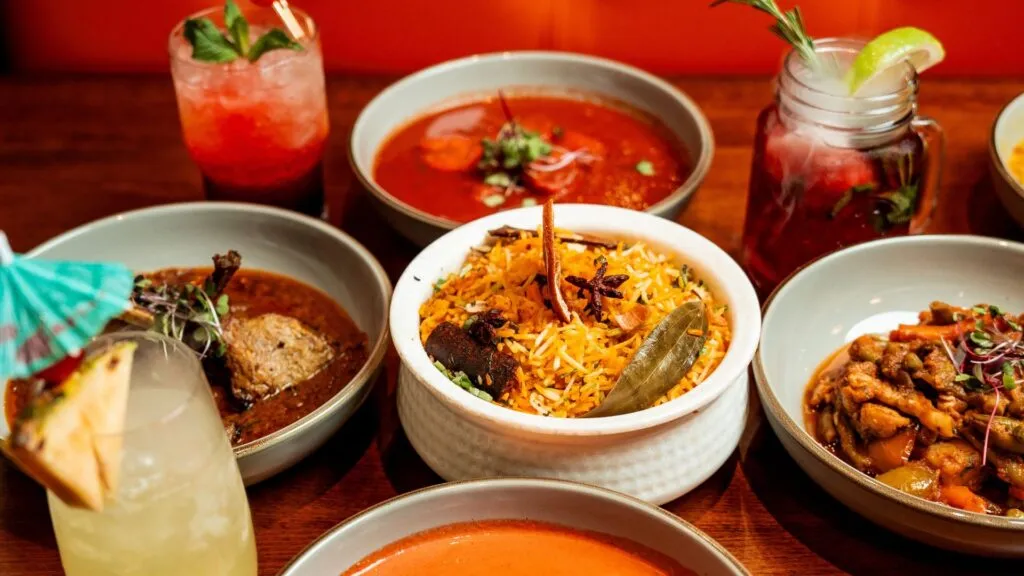
Indian cuisine might be confusing to some people since it differs greatly from western cuisine. Be at ease, though! The majority of Indian cuisine, which has a wide diversity, consists of a gravy dish with meat and/or vegetables. Depending on your personal preferences and the dish's texture, Indian cuisine is typically served with either rice or bread.
Even while Indian food is typically associated with being spicy, it is not true for everything. You may request any dish to be tangy or not spicy based on your own tastes.
Five Tips for Indian Dining Etiquette
Eating in India is an inherently social activity, and there are certain rules that should be followed to ensure that everyone has a pleasant experience. You should expect to have a wonderful time as a visitor in an Indian restaurant in Edinburgh since hospitality is the distinguishing quality of an Indian host. Here are five of the greatest dining etiquette suggestions to take into account when you attend an Indian meal. However, there are many other ways to be a courteous guest.
Eating with the hand is considered polite
In India, the traditional method of eating is to pick up food with your hands. When eating with your hands, the optimum technique is to join all of your fingers together and pick up food with only the tips of your fingers. This is believed to increase the mindfulness of the flavour of food in India.
Eating with your hands also directs your attention to the meal in front of you, allowing you to concentrate on temperature, servings, and technique.
However, not all Indian meals should be eaten with the hands. Spoons can be used if the meal is soupy, as in many dals. It is permissible to use flatbreads like chapati, roti, or naan to gather food and sop up gravies and curries when they are offered with the meal. Allowing your palms or the upper parts of your fingers to become soiled is considered impolite.
Wash your hands both before and after eating.
Be sure to thoroughly wash your hands before and after every meal, whether you use cutlery or not. Food safety and your general health are the two main benefits of this practice.
It's a prevalent myth that both Indian cuisine and street food are the results of unhygienic cooking practices and give people Delhi Belly. However, in truth, a lot of stomach aches are brought on by the bacteria in our own hands, which may be avoided by washing them properly.
Family-type servings
The majority of Indian food is consumed family-style, which calls for ordering many main dishes that everyone at the table shares. Rice, flatbread, meat, vegetable, lentil dishes, salad, yoghurt, and pickled vegetables are usually included in Indian family-style dinners. If there are just two of you dining, you can still order family-style, but you need to order at least three courses, excluding the bread and rice.
Don't pile food on your plate.
Eating every item made by the host is not required, but you should finish everything on your plate to appreciate the food, which is regarded as sacred in Hinduism. To avoid any food wastage, just ask for as much food as you can finish.
Eat with the right hand
Eating with the right hand is a common practice in Indian culture and is considered to be the polite way of eating. It is considered to be a sign of respect and appreciation for the food. Having a meal with the left hand is seen as disrespectful and unhygienic in India. Not only is it a sign of disrespect, but it can also be extremely uncomfortable for the person sitting next to you. Eating with the right hand also helps to keep the food from getting contaminated. Since the left hand is used for cleaning and other tasks, it is not considered an acceptable eating practice in Indian culture.
Conclusion
Wondering where you can find the delicious cuisine of India and such hospitable treatment from caterers in Edinburgh? If so, you can search for the best Indian restaurant in Edinburgh and select the one with great reviews to experience a wide assortment of tastes and flavours of India. Following these Indian eating etiquettes will help ensure your experience at an Indian restaurant in Edinburgh is as enjoyable as possible.



















Sign in to leave a comment.