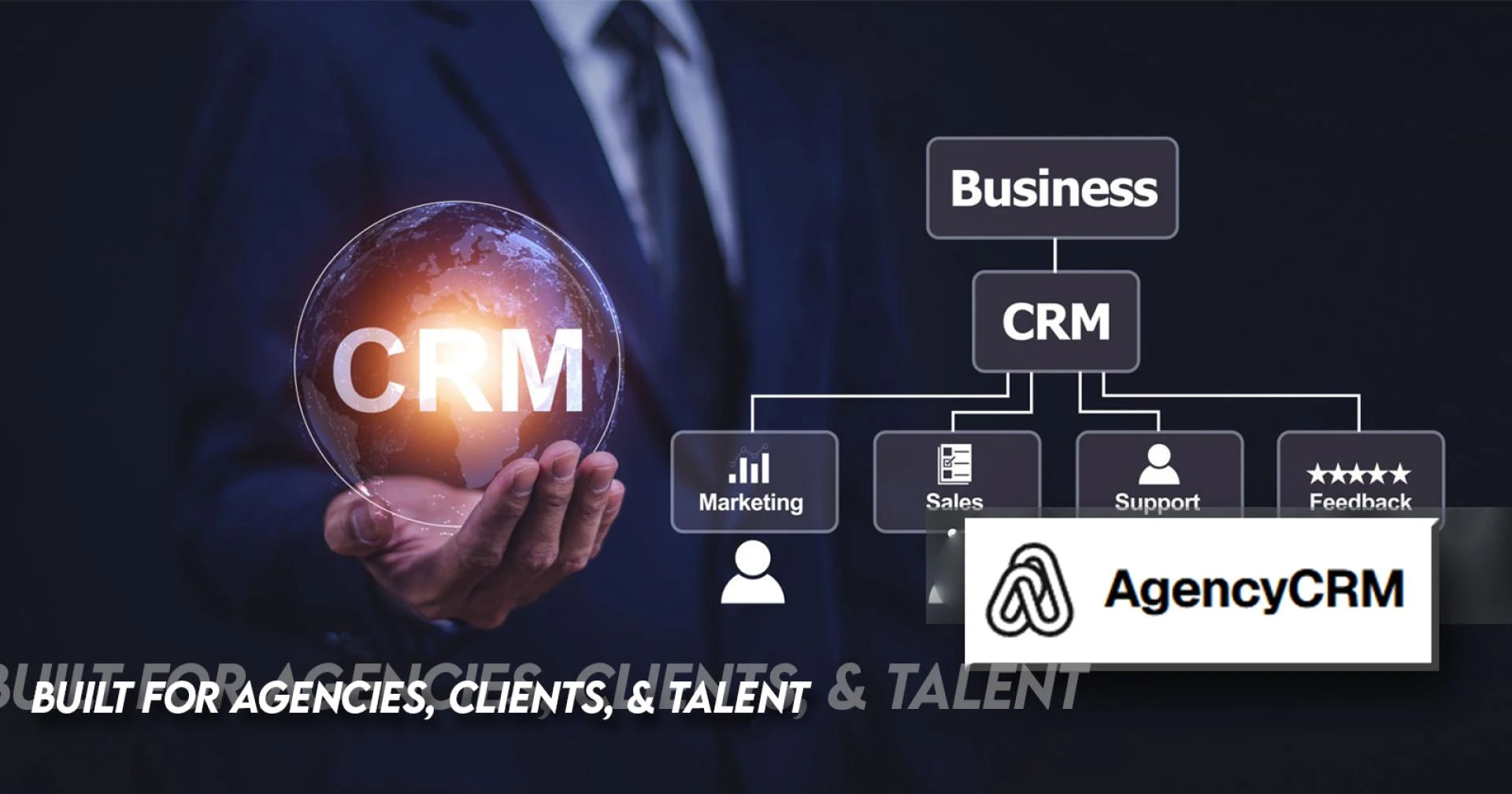

As the digital landscape continues to evolve, marketing agencies are expected to do more in less time, manage campaigns, deliver personalized content, generate leads, and retain clients, all while keeping teams aligned. To succeed in this environment, many agencies are turning to technology that streamlines workflows and keeps operations organized. At the center of this shift is the Agency CRM, a specialized system that helps agencies work smarter, not harder.
Here are the top five benefits of using a CRM purpose-built for marketing agencies in 2025.
1. Centralized Client Management
One of the biggest challenges for agencies is managing information across multiple clients. From emails and contracts to campaign briefs and performance reports, every client relationship produces a vast amount of data. Without an organized system in place, this data becomes fragmented across tools and folders.
With a dedicated CRM for marketing agencies, client data is stored in a single, searchable platform. Each client has a dedicated record that houses every interaction, task, document, and performance metric. This unified view enables:
- Faster onboarding
- Better client retention
- More personalized communications
- Efficient account handovers between team members
Having a clear picture of each client’s journey helps account managers build stronger relationships and ensures that no details slip through the cracks.
2. Streamlined Project Delivery
Marketing agencies work on multiple deliverables at once, from launching Facebook ads to managing email campaigns and writing SEO blog posts. Without a well-structured workflow, tasks can pile up and deadlines can be missed.
A high-performing agency CRM software includes built-in task management, calendar views, and automated workflows that keep every project moving. Campaigns can be broken down into tasks, each with assigned owners, deadlines, and priorities.
If your team struggles with miscommunication or delayed timelines, you’ll want to explore this project-focused CRM solution designed to match how agencies actually work. It minimizes bottlenecks and improves your ability to scale efficiently.
3. Talent Allocation and Remote Collaboration
Modern agencies rely on a diverse workforce, some full-time, some freelance, and many remote. Assigning tasks and collaborating across departments and time zones can be chaotic without a centralized system.
An effective CRM makes it easy to view team availability, assign projects based on skillset, and monitor progress, all in real-time. This eliminates email back-and-forths and ensures accountability across the board.
Platforms like this agency-focused talent CRM offer a comprehensive view of your workforce, helping you manage tasks more strategically. Instead of reacting to staffing issues, you can proactively assign work where it fits best.
4. Improved Campaign Tracking and Analytics
Clients demand clear ROI. They want to know what’s working, what’s not, and where their money is going. Manually tracking this information in spreadsheets or pulling data from various ad platforms is time-consuming and error-prone.
That’s where an Agency CRM becomes a powerful asset. With built-in integrations and visual dashboards, marketing teams can track:
- Conversion rates
- Email open and click-through rates
- Paid media performance
- SEO improvements and keyword rankings
- Social engagement metrics
Better yet, you can customize reports for each client, so they see only what matters to them. This level of reporting strengthens your position as a trusted partner, not just a service provider.
When you’re ready to demonstrate real-time campaign value with less effort, schedule a strategy call to see how these analytics tools can be tailored to your agency.
5. Automation That Saves Time and Increases ROI
Repetitive tasks like following up on leads, assigning recurring tasks, or sending monthly reports can eat into valuable time. Automation features in a best agency CRM eliminate these time-drains so your team can focus on strategy and creativity.
Some common automated processes include:
- Auto-generating follow-up emails
- Creating recurring project templates
- Triggering alerts when a task is overdue
- Automatically tagging leads based on form inputs
- Sending reports on a schedule
These automations ensure nothing slips through the cracks while boosting your agency’s responsiveness and reliability.
If you're spending too much time managing tools instead of growing your agency, it’s time to consider a CRM platform that works while you sleep. Let technology handle the admin so your team can focus on delivering results.

Bonus: Better Client Communication and Transparency
Clients want visibility. They don’t want to chase their agency for updates or status reports. A modern CRM gives them access to real-time dashboards, shared calendars, and communication threads. This improves transparency, builds trust, and leads to long-term client relationships.
With a dedicated CRM for social media and SEO agencies, clients can log in and view content queues, keyword rankings, performance metrics, and even leave comments on deliverables. This collaborative experience shows clients that you’re organized, efficient, and working in their best interest.
Why Marketing Agencies Should Choose Purpose-Built CRMs
There’s no shortage of CRM tools available today, but most were built for B2B sales teams, not creative agencies. Marketing agencies need tools designed for client projects, content workflows, deadline-driven deliverables, and multi-disciplinary teams.
By choosing a CRM made for your industry, you’ll benefit from:
- Faster setup and onboarding
- Pre-built templates aligned with agency workflows
- Features that support remote and freelance teams
- Dashboards tailored for campaign tracking
- Client-facing collaboration tools
These benefits can’t be replicated with generic software. A specialized CRM helps you build a more agile, scalable, and results-driven agency.
What to Look for in the Best Agency CRM
Not all agency CRMs are created equal. When evaluating your options, consider the following must-have features:
- Task automation and workflow templates
- Built-in analytics and campaign tracking
- Resource and talent scheduling
- Custom client dashboards
- Email and calendar integrations
- Client portals for feedback and approvals
Agencies that use CRM systems built specifically for their business model outperform those using general-purpose platforms. They spend less time managing tools and more time delivering value.

Final Thoughts: Don’t Let Operational Chaos Hold You Back
If your agency is growing but struggling to keep up, it’s likely a sign that your internal systems need an upgrade. Using spreadsheets, Trello boards, and Slack messages to run a full-service marketing agency is no longer sustainable.
Whether you’re launching ad campaigns, building SEO strategies, or managing content pipelines, a dedicated Agency CRM solution is the key to executing with precision.
Don’t wait until things break. Make the move now and position your agency for long-term success. Book a discovery call today and explore how a purpose-built CRM can bring clarity and scale to your operations.






















Sign in to leave a comment.