
Your living room is more than just a place to sit—it's the heart of your home, where everyday moments unfold and memories are made. Yet, over time, even the most beloved spaces can start to feel a little dull or uninspired. The good news? You don’t need a full renovation or a big budget to breathe new life into your space.
With just a few thoughtful updates, you can turn a tired room into a lively, welcoming environment that reflects your personality and energizes your daily routine.
1. Implement Layered Lighting Solutions
Lighting is the foundation of any vibrant living space, and layering multiple light sources adds both depth and flexibility. Start by making the most of natural light—clean your windows and remove heavy curtains or blinds that block sunlight. Then, build on that with a mix of artificial lighting to suit different needs: task lighting for reading or focused activities, accent lighting to highlight architectural features or artwork, and ambient lighting to create an overall warm glow. Incorporate a variety of fixtures—wall sconces, table lamps, floor lamps, and ceiling lights—to eliminate dark corners and create a welcoming, well-lit atmosphere. Dimmer switches are a great addition, allowing you to adjust brightness based on the time of day or the mood you want to set. Mirrors can also play a key role; when placed opposite windows or light sources, they reflect light throughout the room, making the space feel brighter and more open. This layered approach to lighting not only enhances the look of your living room but also makes it more functional and inviting for any occasion.
2. Incorporate Strategic Color Elements
Your living room's apparent spaciousness and liveliness depend much on color. Although total repainting may not be required, deliberate color additions can greatly change the area. As a focal point, think of an accent wall in vivid color; emerald green, coral, or sapphire blue can provide vitality while keeping refinement. Through cushions, blankets, artwork, and area rugs, textiles provide another chance to bring color. Choose colors that complement rather than match perfectly to create a curated rather than coordinated look for the best impact. These careful color additions brighten your room right away without calling for extensive renovation.
3. Add Botanical Elements and Natural Textures
Few elements enhance a living room more effortlessly than those inspired by the natural world. Live plants not only purify the air but also add visual interest through their diverse forms, textures, and colors—creating a strong connection to nature. For spaces with limited sunlight or for those with busy schedules, beautiful artificial flower arrangements offer a beautiful, low-maintenance alternative that still brings the essence of greenery indoors. Beyond plants, incorporating other organic materials—such as wood, stone, woven cane, and natural fiber textiles—adds tactile richness and a sense of warmth. In areas where live greenery may not thrive, you can still evoke a natural atmosphere through botanical artwork, floral prints, or nature-inspired decor.
4. Create Textural Variety and Depth
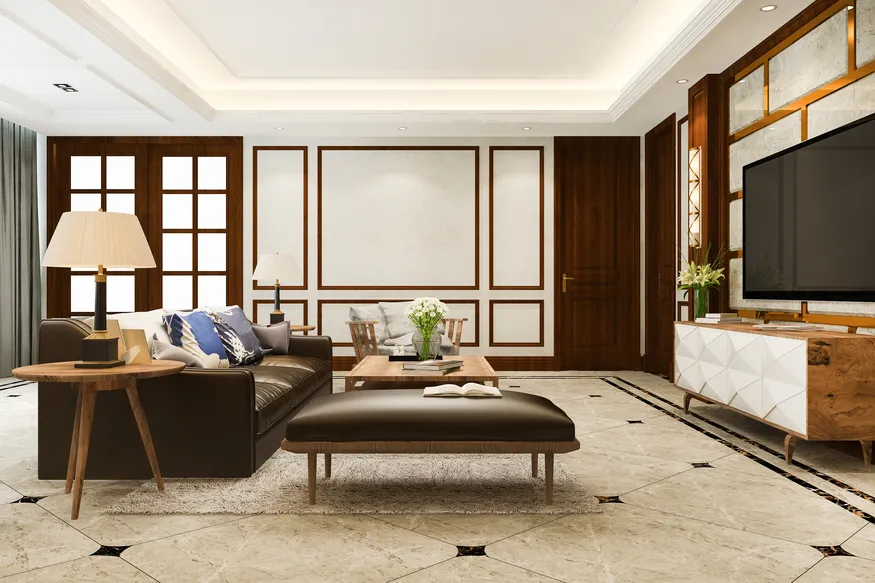
A vivid living space stimulates several senses, and tactile and visual interest is created in great part by textural variation. Combine several tactile elements, transparent vitreous surfaces, textured ceramic items, soft fabric components, interwoven fiber receptacles, and burnished metallic accents to create a complex, layered spatial experience. Floor carpeting, textile coverings, and well-placed ornamental cushions provide thermal comfort and perceptual complexity. Either position a naturally polished timber occasional table above a luxurious, dense floor covering or combine a sleek hide-upholstered seating piece with textured woolen accessories to achieve ideal aesthetic contrast. Vertical areas usually missed in design plans get dimension from wall treatments such as textured paint, grasscloth wallpaper, or wooden accent panels. This careful layering of textures produces an environment that seems naturally more alive, richer, and more vibrant.
5. Design Around Intentional Focal Points
Clear focal points that grab the eye and provide visual anchors inside the living area will help to define it vibrantly. Choose one to three focal pieces: a fireplace, large-scale artwork, dramatic light fixture, or statement furniture item around which additional elements might be placed. Arrange furniture to accentuate these center points and create areas for conversation that inspire movement and engagement. When choosing focal points, give scale great thought; they should be commensurate with the size of the room while also having a major visual impact. Establish a clear hierarchy of visual significance instead of establishing conflicting focal points that cause visual confusion. These deliberate areas of interest lead the eye across the space, establishing direction and purpose that energizes the whole room.
Conclusion
These five design secrets make it easy for anyone to create a vibrant, inviting living room—no major renovations or big budgets required. By thoughtfully balancing lighting, color, botanical accents, texture, and focal points, you can transform your space into an energizing environment that feels both refreshed and welcoming.




























Sign in to leave a comment.