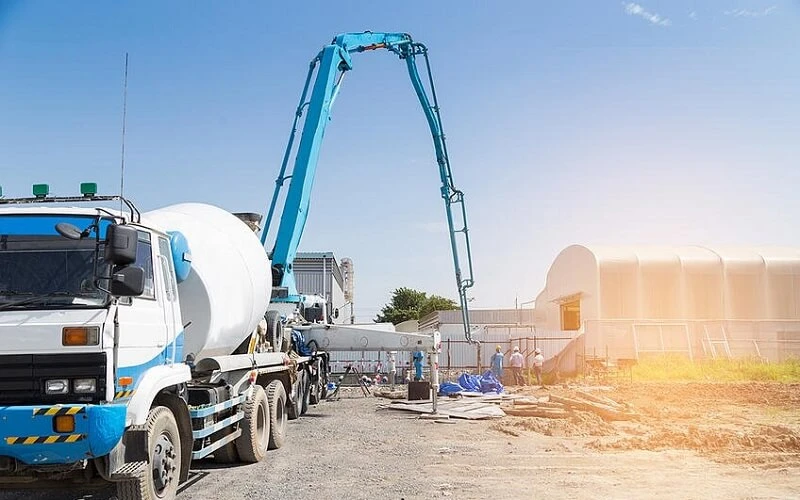

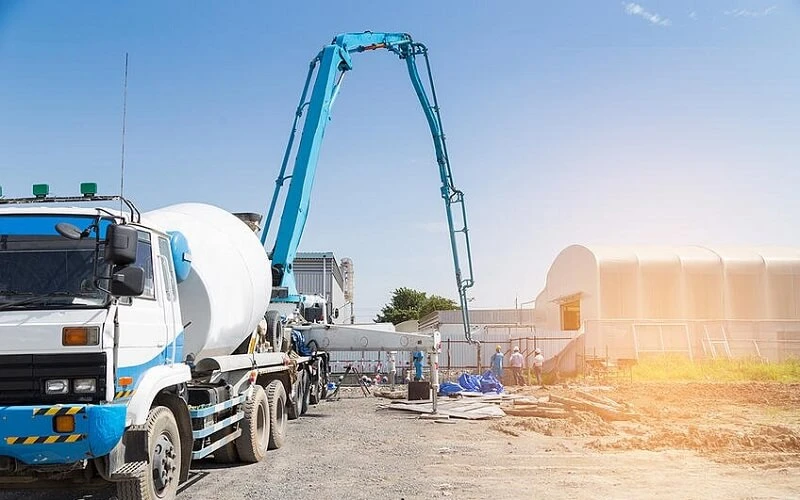
So, you’ve got a concrete pour coming up. The slab is prepped, the steel is tied, and you’re ready to go. You jump online and search for Concrete Pumping Near Me. A dozen options pop up. The cheapest one looks tempting, but a little voice in your head whispers, "What am I missing here?"
I’ve been there. We all have. Booking the wrong pump company can turn pour day from a smooth operation into a costly, stressful nightmare. I learned this lesson the hard way on a job where the pump showed up with a boom that was three metres too short. The delays and extra labour costs wiped out any "savings" instantly.
After years in the trade, I’ve boiled it down to five essential things you must check before you hit "book." Do this, and you’ll save yourself a world of hassle.
1. Check Their Reputation Beyond the Star Rating
Anyone can have a few good reviews. You need to dig deeper. That five-star rating might be from someone who just got a driveway done, while your project is a complex, two-story slab.
• What to Do: Don’t just look at the overall score. Read the actual reviews, especially the 3-star ones. They often tell you more than the glowing 5-star testimonials. Look for phrases like "on time," "professional crew," "handled a tricky site," and "boom reached perfectly."
• The Pro Move: Ask them for a reference or two for a job similar to yours. A good company will be proud to connect you with a past client. Also, a quick chat with your local concreter or builder can often point you toward the most reliable Concrete Pumping Near Me providers they trust.
2. Check Their Gear (And If It’s Right for YOUR Job)
Not all pumps are created equal. You can’t use a garden hose to fill a swimming pool. The most common mistake is not verifying the pump's reach and size.
• What to Do: When you call, be ready to describe your job clearly. You need to tell them:
o The pour location: "It's a backyard slab, behind a single-story house."
o The access: "The gate is 1.2 metres wide, and the truck would need to sit on the street."
o The reach needed: "From the street, over the house, it's about 25 metres to the back of the site."
• The Pro Move: Ask them directly: "What size pump do you recommend for this, and can you guarantee that model will be sent on the day?" A reputable company will confidently tell you they’re sending a 28-metre or 32-metre boom pump. If they’re vague, that's a red flag.
3. Check Their Paperwork (This is a Biggie)
This is the boring part that keeps you safe. Concrete pumping is high-stakes work. If something goes wrong, you need to know you’re covered.
• What to Do: Simply ask, "Are you fully insured, and can you provide proof of your public liability insurance?" Any legitimate Concrete Pumping Near Me service will have this ready to go. This protects you, your property, and your neighbours' property if an accident occurs.
• The Pro Move: Also, ensure their operators are certified. In Australia, concrete pump operators should hold a high-risk work licence (HRWL). This isn't just a formality; it means they’re trained to handle the immense pressures and complexities of the machinery safely.
4. Check the Site (And Talk Through It With Them)
You know your site better than anyone. Don’t assume the pump company can read your mind about potential hazards.
• What to Do: Before you book, do a walk-around. Look up for power lines. Look down for soft ground that a 30-tonne truck could sink into. Note any tight corners or overhanging trees.
• The Pro Move: Send them photos or a quick video of the site and the access point. A good pump operator will appreciate this more than you know. It allows them to plan the setup in advance, saving precious time on pour day. It also shows you’re a prepared and professional client.
5. Check the Fine Print on the Quote
The cheapest quote can often be the most expensive by the end of the day. You need to know exactly what you’re paying for.
• What to Do: When you get a quote, make sure it clearly states:
o The minimum charge: Most pumps have a 4 or 5-hour minimum.
o The hourly rate after that.
o A "call-out" or mobilization fee.
o What happens if THEY are late? A professional company will often have a clause that your minimum charge clock doesn't start until their truck is in position and ready to pump.
• The Pro Move: Ask about potential extra charges. What if the concrete truck is late and the pump is waiting? What if the pour goes longer than expected? Understanding these scenarios upfront prevents nasty surprises on the invoice.
The Bottom Line
The five checks take fifteen minutes to do and will make your search of Concrete Pumping Near Me more a decision than a gamble. It is not the purchase of a machine you are buying but a partner with whom you are spending one of the most important days of your project. The correct crew will ensure that your pour is both smooth and efficient and safe. The misguided one will cost you time, money and peace of mind.
Quick Questions Answered
Q: But what about a site that is very limited in its access?
A: No problem! In narrow spaces, pumps available in smaller sizes are offered, either as trailers or mini robotic pumps that can squeeze through a typical garden gate. But you know just remember to detail your access restrictions when calling.
Q: What is the best time to book?
A: The minute your pour date is set, and particularly in the busy spring and summer seasons. Good pump companies get booked up weeks in advance.
Q: Who is responsible if the pump hits my house or a powerline?
A: This is exactly why you check their insurance! If they are a professional, insured company, their liability insurance should cover the damages. If they’re not insured, that responsibility could fall back on you. Don’t take the risk.
Spending a little time on the front end doing your homework is the smartest pour-day preparation you can do. Trust me, your future self will thank you for it




























Sign in to leave a comment.