
Table of Contents
1. The New Face of Construction
2. How Concrete Pumping Works
3. Speed and Safety on Site
4. Cost and Labor Advantages
5. Environmental Impact
6. The Stats That Speak
7. Real-World Applications
8. The Future of Concrete Pumping
9. Building Better Tomorrow
The New Face of Construction
Imagine a construction site where concrete flows like water, reaching the highest towers or hidden corners without a single extra hand. That’s the magic concrete pumping brings. Instead of cranes, buckets, or wheelbarrows, a pump moves hundreds of gallons of concrete swiftly and precisely. Builders are no longer limited by height or distance. Modern projects can rise faster, safer, and more efficiently than ever.
How Concrete Pumping Works
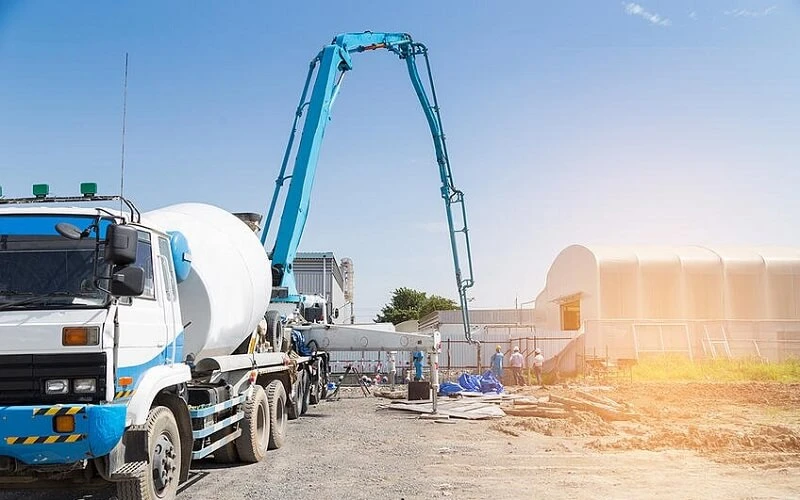
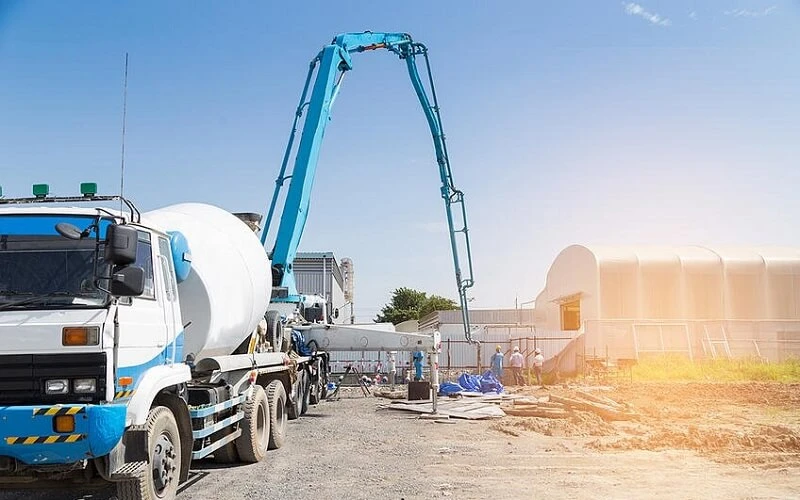
Concrete pumping might sound like a technical trick, but the process is straightforward. A large machine, either stationary or mounted on a truck, pushes concrete through a long hose or pipe. The pump’s pressure ensures the mix reaches the exact spot needed. There are two main types: boom pumps and line pumps. Boom pumps use a robotic arm for high or tricky placements, while line pumps rely on hoses that crews can guide to different locations.
Concrete pumping cuts out the need for multiple transport steps. Instead of pouring concrete, moving it, and spreading it manually, everything happens in one continuous flow. This simple change revolutionizes both speed and quality on construction sites.
Speed and Safety on Site
Time is money on a construction project, and concrete pumping saves plenty of both. Sites that used to take weeks for pouring can now finish in days. For example, a mid-rise apartment building that once required 15 workers and five days for concrete pouring can now be done by 5 workers in just one day.
Safety improves as well. Less manual handling means fewer injuries. Workers are no longer climbing scaffolds with heavy buckets. Concrete pumps can reach heights of over 100 meters and distances beyond 600 meters. This reduces risk and keeps the site smooth and organized.
Cost and Labor Advantages
Hiring extra labor to carry and pour concrete inflates project costs. Concrete pumping reduces these costs dramatically. A recent study found that pumping can cut labor expenses by up to 40 percent. Fewer workers mean lower insurance costs and less time spent training crews.
The speed also helps in reducing overall project costs. Faster pouring translates to quicker project completion, fewer days of renting equipment, and reduced waste. Every drop of concrete reaches its destination without excess spillage, maximizing materials and money.
Environmental Impact
Concrete pumping doesn’t just help humans; it helps the planet too. By reducing waste and minimizing fuel consumption from multiple vehicle trips, the carbon footprint of construction drops significantly. For instance, a project using traditional concrete trucks may require 20 trips, while a pumped solution may need only 8. That is a 60 percent reduction in truck emissions.
Concrete pumps also ensure precise placement, which lowers overuse of concrete. Excess concrete often ends up as waste, harming landfills. With pumps, every bit goes exactly where it is needed.
The Stats That Speak
Stat 1: Concrete pumping can increase project speed by up to 300 percent compared to traditional methods.
Stat 2: Sites using pumping systems report a 50 percent decrease in onsite injuries related to manual handling.
These numbers are not just statistics. They reflect a major transformation in how construction projects operate and highlight the undeniable advantage of using pumping over older methods.
Real-World Applications
Concrete pumping isn’t just for skyscrapers. It is equally useful in bridges, tunnels, highways, and even residential homes. Complex shapes and tall structures benefit most. Imagine a spiral staircase or an intricate architectural feature; pumps place concrete perfectly without errors.
Pumping also shines in tight or remote spaces. Urban construction projects often face limited space for equipment. A pump can reach through narrow alleys, across roads, or over obstacles without disrupting traffic. Rural sites benefit too, as long distances between concrete plants and construction areas become easier to manage.
The Future of Concrete Pumping
Technology keeps enhancing concrete pumps. Smart pumps now monitor flow, pressure, and temperature in real time. They can even detect blockages before they become a problem. Integration with AI and automated controls means fewer delays and more accurate placements.
Sustainability is also part of the future. Recycled concrete mixes and eco-friendly pumps are being developed. These innovations promise a future where construction is not only faster and safer but also greener.
Building Better Tomorrow
Concrete pumping is more than a tool; it is a change in how buildings rise. Faster, safer, and more efficient projects are now possible. From reducing labor costs to cutting emissions, pumps are shaping a new standard in construction.
Every modern site that embraces concrete pumping shows the power of innovation. Towers climb higher, bridges connect faster, and neighborhoods expand more safely. The construction world is evolving, and pumps are leading the way. As projects become bigger and designs more complex, the ability to place concrete precisely and quickly will continue to transform the skyline.
Concrete pumping is not just a technique; it is a statement. It signals that construction no longer has to struggle with time, distance, or complexity. Modern builders can now focus on creativity, quality, and safety, while pumps do the heavy lifting.
The buildings of tomorrow are already taking shape, and concrete pumping is at the heart of this revolution. Every drop of concrete pumped carries efficiency, safety, and precision. The future of construction is flowing smoothly, and the horizon has never looked brighter.






























Sign in to leave a comment.