

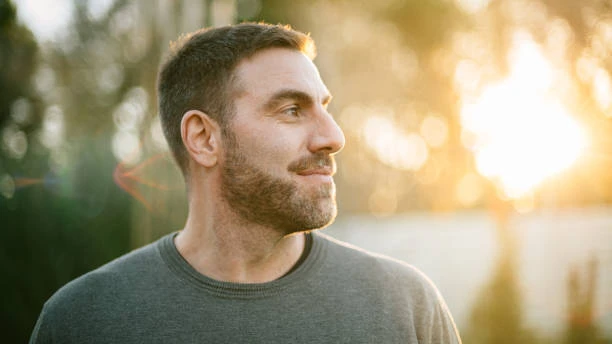
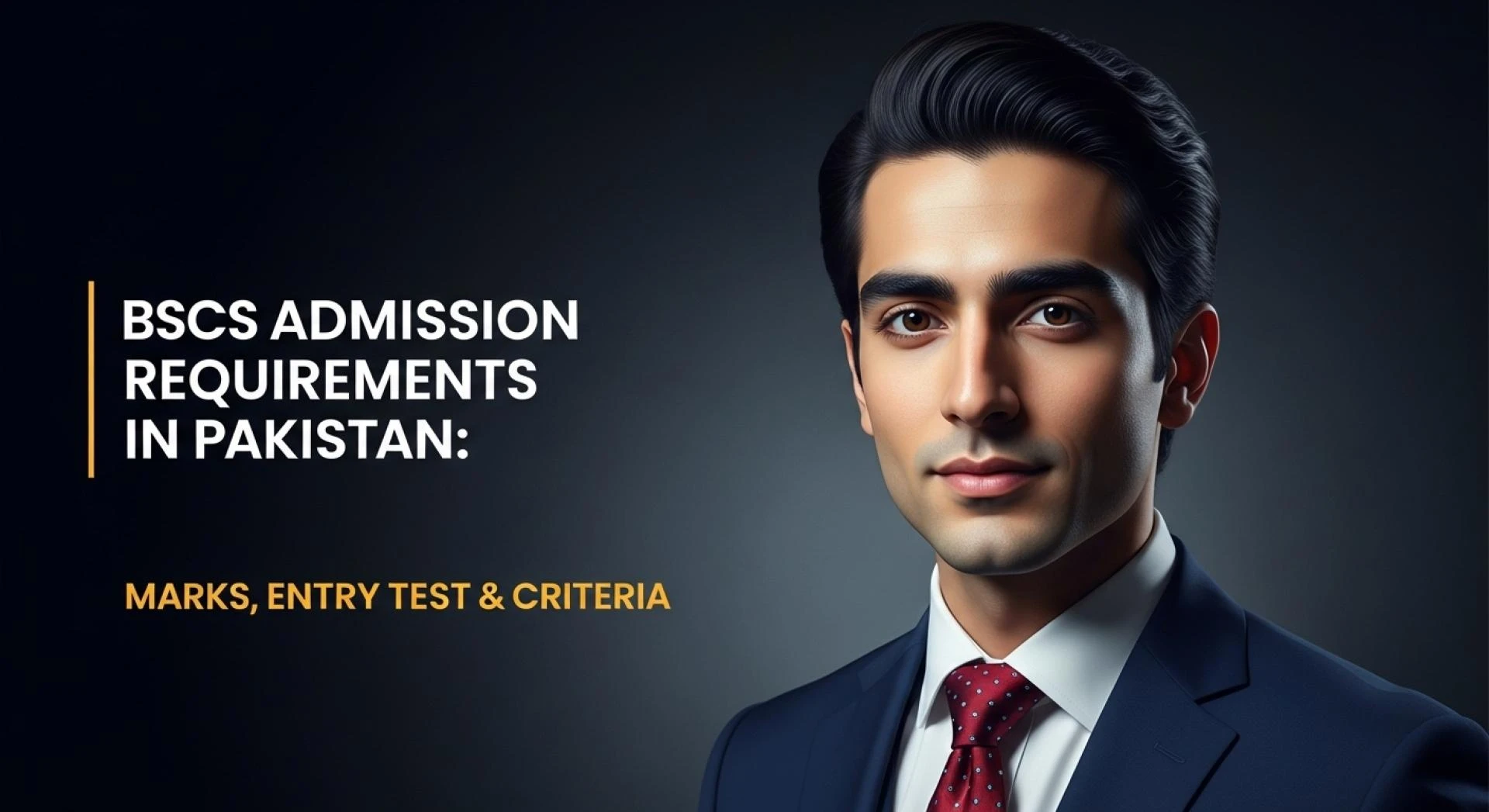
A good headshot opens doors. It's the first thing recruiters see on LinkedIn, the photo clients check before booking a call, and the image that sits next to your name on the company website. But here's the thing: most people put off getting one because they assume it means scheduling a studio session, paying $200-500, and spending an afternoon they don't have.
You don't need a studio. You don't even need a professional camera. What you need is the right approach for your budget, timeline, and comfort level. Here are five ways to get a professional headshot at home or anywhere else that isn't a photography studio.
1. Do it yourself with your phone
Your smartphone camera is better than the professional cameras photographers used ten years ago. The iPhone 15 Pro and Samsung Galaxy S24 shoot at resolutions that would have cost thousands in dedicated equipment just a few years back. The hardware isn't the problem. Lighting and composition are.
How to pull it off:
Stand near a large window during the golden hours, roughly an hour after sunrise or an hour before sunset. Face the window so the light falls evenly across your face. Harsh overhead lighting creates unflattering shadows under your eyes and nose, so avoid midday sun and fluorescent ceiling lights.
Set your phone on a tripod or stack of books. Use the self-timer (3 or 10 seconds) so you're not holding the phone. Shoot at chest level or slightly above eye level. A slight downward angle is more flattering than shooting from below.
For the background, a plain wall works. White, light gray, or even a bookshelf that isn't too cluttered. The goal is to keep attention on your face, not the pile of laundry behind you.
Take at least 50 shots. Change your angle slightly between each one. Tilt your chin, adjust your shoulders, try a closed-mouth smile versus a teeth-showing one. The more options you have, the better your chances of finding one that works.
Best for: People on a tight budget who need something quickly. A DIY headshot won't match studio quality, but a well-lit phone photo beats a cropped group photo from last year's holiday party.
2. Ask a friend who knows their way around a camera
Everyone knows someone who shoots photos as a hobby. Maybe they post landscapes on Instagram, or they bought a mirrorless camera during the pandemic. That person can probably take a headshot that looks significantly better than what you'd get on your own.
The advantage over DIY is simple: someone else controls the camera while you focus on looking natural. It's hard to relax when you're also worrying about framing and focus. Having another person behind the lens lets you concentrate on your expression.
Give your friend some direction. Show them examples of headshots you like. Ask them to shoot in portrait mode with a blurred background. If they have a camera with a 50mm or 85mm lens, even better. Those focal lengths are what portrait photographers actually use because they don't distort facial features the way wide-angle lenses do.
Pay them back with dinner or a favor. Don't ask for free work without offering something in return. Even casual shoots take time and effort.
Best for: Anyone who wants a step up from DIY but doesn't want to spend money on a photographer. The results depend entirely on your friend's skill level, so manage your expectations.
3. Use an AI headshot generator
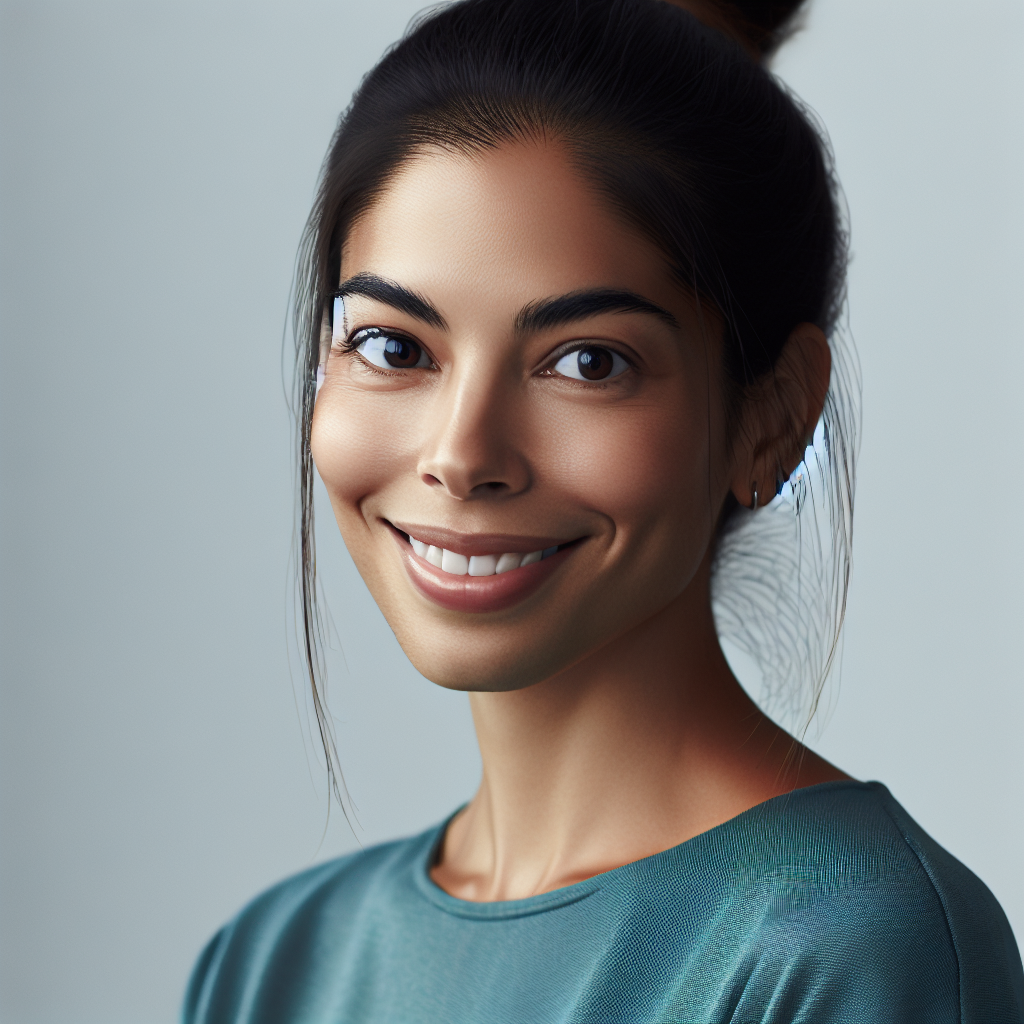
This is where things get interesting. AI headshot tools have gotten remarkably good in the past year. The process is straightforward: you upload a set of selfies, the AI trains a model on your face, and it generates professional-looking headshots in different styles, outfits, and backgrounds.
I've tested several of these tools. The quality varies a lot. Some produce images that look obviously artificial, with weird skin smoothing or eyes that don't quite track right. Others are genuinely hard to distinguish from photos taken by a professional photographer.
One tool worth looking at is ProfessionalHeadshot.io. You upload 5-20 selfies taken from different angles, and within about 10-30 minutes, it generates between 40 and 100 headshots depending on which plan you pick. The Basic plan runs $29, Pro is $49, and Executive is $79. All one-time payments, not subscriptions. What stood out to me was the range of styles available. If you need AI-generated LinkedIn headshots, corporate photos, or something specific like realtor or doctor headshots, the style options cover those use cases.
What to watch for with AI headshots:
The output is only as good as your input photos. Upload clear, well-lit selfies with different angles and expressions. Don't use heavily filtered photos or group shots where your face is small. The AI needs to learn what you actually look like.
Also, check the results carefully. AI occasionally adds or removes details like earrings, glasses, or facial hair. Make sure the final image still looks like you, because a headshot that doesn't match your real appearance creates an awkward moment when someone meets you in person.
Best for: Remote workers, freelancers, job seekers, and anyone who needs multiple headshot styles without scheduling multiple photo sessions. The cost is a fraction of studio photography, and you get results the same day.
4. Book a mini session with a local photographer
Mini sessions are the middle ground between DIY and a full studio booking. Many photographers offer 15-20 minute sessions specifically for headshots, often at outdoor locations like parks, downtown areas, or even your office lobby. Prices typically range from $75-150, which is significantly less than a full portrait session.
Search for "headshot mini session" plus your city on Google or Instagram. Many photographers run these as regular offerings or batch them on specific days where they shoot multiple clients back-to-back, which is how they keep the price down.
You'll usually get 5-15 edited images, which is plenty for most people. The photographer handles lighting, posing direction, and post-processing. You show up, smile, and leave with professional images within a week.
The downside is scheduling. You still need to coordinate timing, travel to a location, and wait for edited files. But the quality will be noticeably better than what most people can achieve on their own.
If you're curious about what different headshot styles look like before booking, browsing ProfessionalHeadshot's style gallery can help you figure out what aesthetic you're going for, whether that's corporate, creative, or somewhere in between.
Best for: Professionals who want high-quality results and don't mind spending a bit more, but still want to avoid the cost and time commitment of a full studio session.
5. Hire a photographer to come to you
Some photographers offer on-location headshot services where they come to your home or office. This is the most convenient option if budget isn't your primary concern. Expect to pay $150-400 depending on your market and the photographer's experience.
The benefit is obvious: you don't go anywhere. The photographer brings portable lighting equipment, a backdrop if needed, and handles everything. You can shoot in your home office, living room, or backyard. Some corporate teams book on-site photographers for the entire office, which brings the per-person cost down significantly.
This works especially well if you want photos that include your actual workspace. A therapist photographed in their real office looks more authentic than one standing in front of a generic studio backdrop. Context matters.
Best for: Executives, business owners, and teams who want premium quality with zero travel. Also great if you have mobility limitations or a packed schedule that makes even a mini session hard to fit in.
Which one should you pick?
It depends on two things: your budget and how fast you need the photo.
If you need something today and have $0 to spend, grab your phone, find a window, and shoot. If you have $29-79 and want polished results by tonight, an AI headshot generator is the fastest path to a professional-looking image. If quality is your top priority and you can wait a few days, book a mini session or an at-home photographer.
The worst option is the one most people choose: doing nothing. A mediocre headshot taken today is better than a perfect one you never get around to scheduling. Pick the method that fits your situation and get it done this week.



















Sign in to leave a comment.