
Keeping data accurate can be difficult when businesses work with cloud platforms, data lakes, warehouses, and large data pipelines. A small data problem can quickly lead to incorrect reports, broken processes, or unreliable AI results.
An automated data validation tool can help teams find these problems early. Instead of checking everything manually, these tools can automatically test data, find unusual changes, and help teams maintain better data quality.
Here are seven tools worth considering.
1. FirstEigen DataBuck
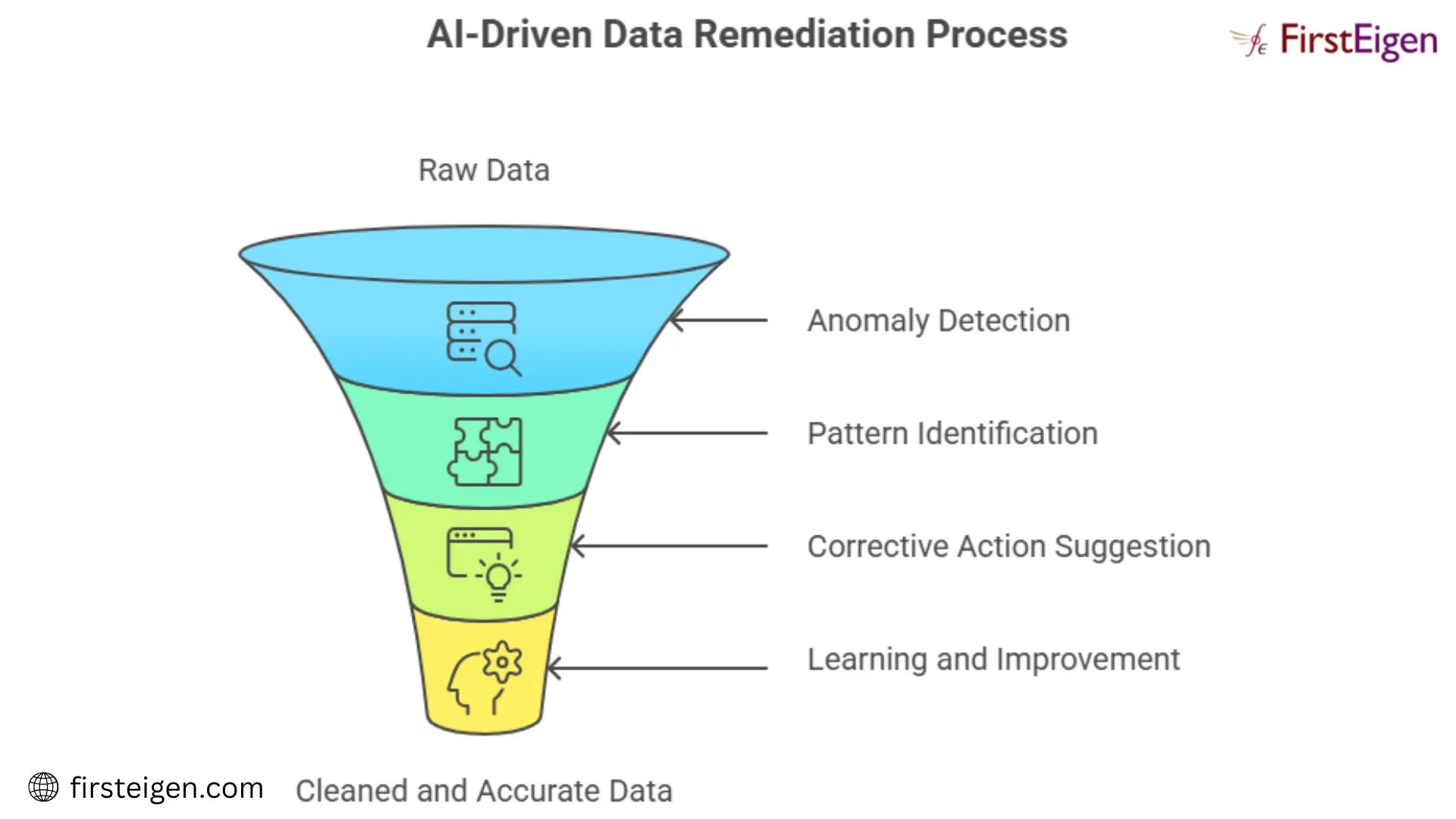
FirstEigen DataBuck is an AI-powered data validation tool designed to check data across enterprise data pipelines. Instead of asking teams to create manual checks for every dataset, DataBuck uses AI to identify and recommend data quality and trustability checks. It can also recommend suitable thresholds, which business users can manage through a self-service dashboard.
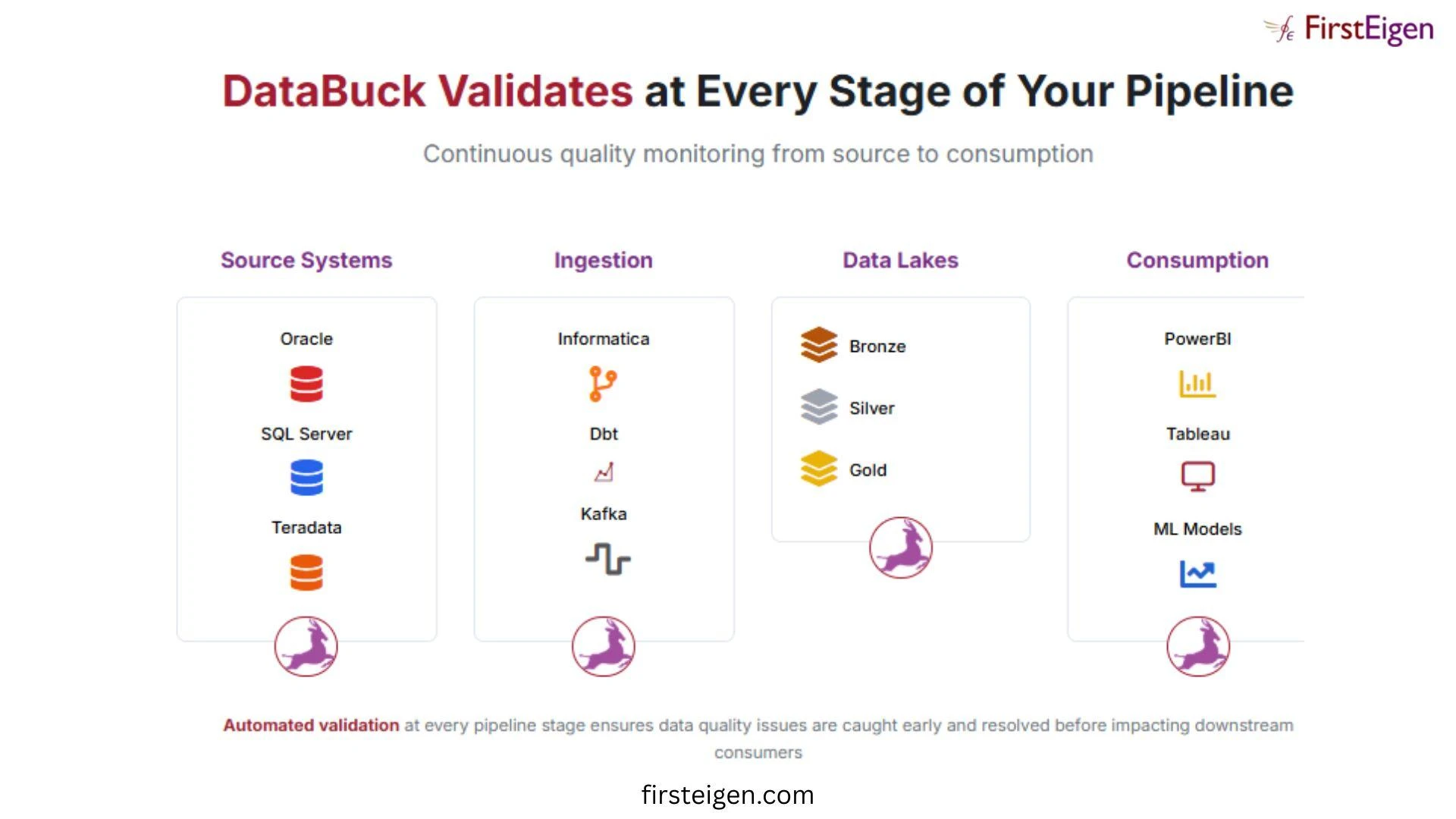
DataBuck is built for large-scale data validation. FirstEigen states that it can validate 100 million records in 60 seconds and check for 14 different types of data errors. It can also validate data at different points in the pipeline, from source systems and ingestion to data lakes and final data consumption.
DataBuck is also cloud-native and designed to work within an organization's existing data environment. FirstEigen states that customer data does not leave the customer's data platform during processing. This makes it an option for businesses looking to improve data quality without adding a complicated manual process.
2. Great Expectations
Great Expectations is a well-known tool for creating data checks and validating datasets. Teams can define expectations for their data and run them regularly to identify quality problems.
It is a good option for development teams that want more control over how data tests are created and managed.
3. Soda
Soda focuses on data quality, data contracts, observability, and pipeline testing. It allows teams to run data checks at different stages of their pipelines.
Soda can be useful for organizations that want to include data quality checks directly in their existing data workflows.
4. Monte Carlo
Monte Carlo focuses mainly on data observability. It provides tools for data quality checks, data profiling, lineage, incident management, and finding the cause of data problems.
It can be useful for data teams that need better visibility into how a data problem affects other parts of their data environment.
5. Bigeye
Bigeye combines data observability, anomaly detection, data quality rules, and lineage. It can monitor data for unexpected changes in areas such as data volume and freshness.
This makes it useful for teams that want to detect unusual data behavior without relying only on manual checks.
6. Qlik Talend
Qlik Talend Cloud combines data integration, data quality, governance, and pipeline capabilities. Its data quality features support data cleansing and validation across cloud, on-premises, and hybrid environments.
It can be a good choice for organizations already using the Qlik Talend ecosystem.
7. Informatica Data Quality
Informatica provides tools for profiling, cleansing, and managing enterprise data. Its data quality capabilities are suited to organizations managing large and complex data environments.
It can be a suitable option for companies looking for data quality as part of a wider data management platform.
How to Choose the Right Data Validation Tool
Choosing the right tool depends on your data environment and business requirements. Before deciding, look at factors such as:
- How much data the tool can handle
- Integration with your existing data pipelines
- Automated anomaly detection
- Number and type of validation checks
- Ease of use
- Scalability
- AI capabilities
- Support for different cloud and data environments
It is also important to look beyond simple pass-or-fail data checks. Modern data teams often need automated validation, anomaly detection, pipeline monitoring, and AI-powered data quality capabilities.
Why Consider FirstEigen DataBuck?
FirstEigen DataBuck is designed for organizations that want to move beyond traditional rule-based data validation. Its AI-powered approach helps discover data quality checks and recommend thresholds while validating data across different stages of the data pipeline.
This allows teams to find problems closer to where they start instead of discovering them later in reports, analytics platforms, or AI applications.
For businesses working with large amounts of data, DataBuck can help reduce repetitive manual checks while providing scalable data validation. It is worth considering if your goal is to build more reliable data for analytics, reporting, and AI without having to create and maintain hundreds of manual validation rules.



























Sign in to leave a comment.