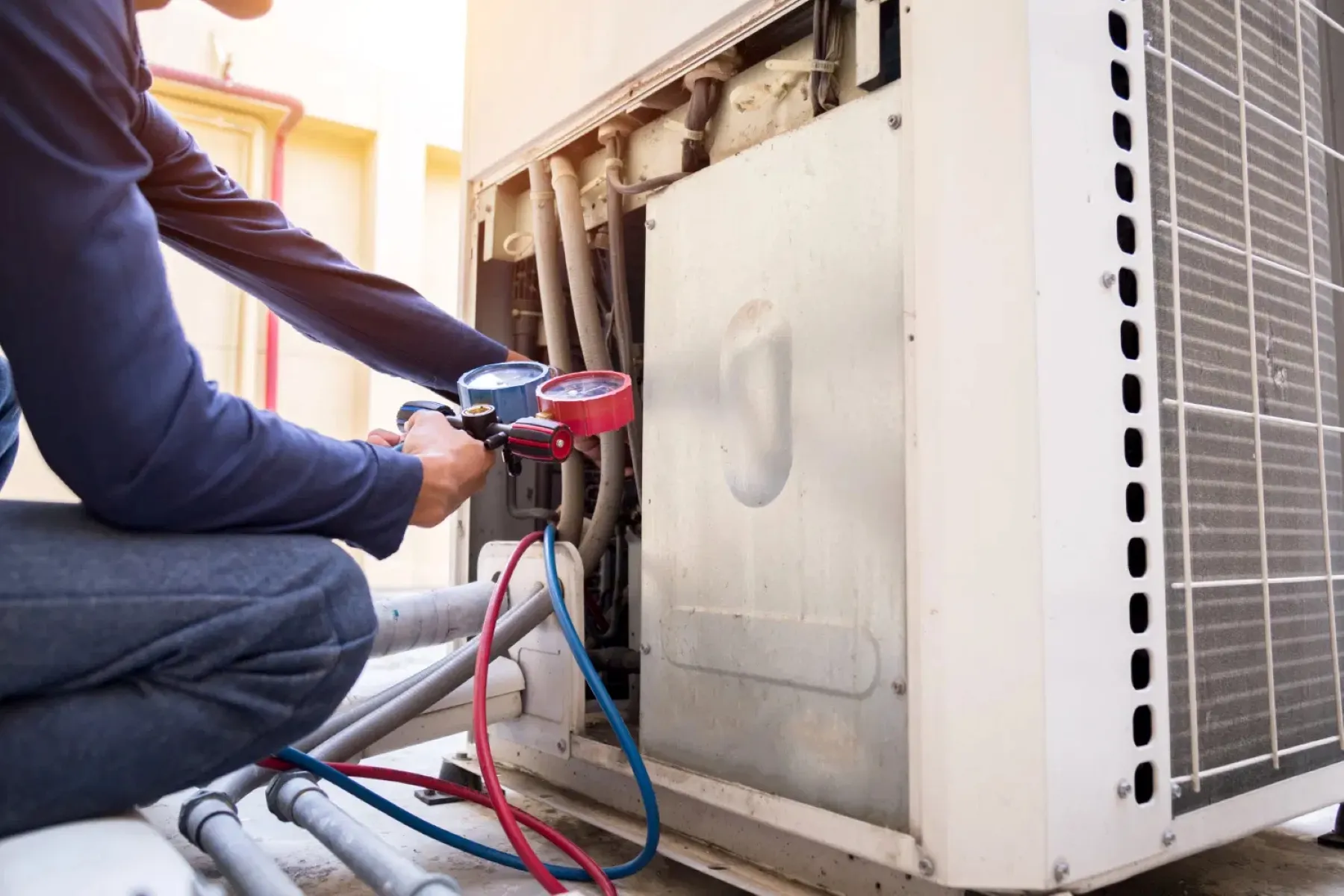

A rising electricity bill can make you wonder what changed. Sometimes, the answer sits inside your air conditioner. A struggling AC unit may run longer, work harder, and use more electricity than normal. Regular maintenance and timely ac repair services in Kansas City can help keep cooling costs under control.
But how do you know when your AC wastes energy? Here are seven common problems that can increase your energy bills and the signs that you should not ignore.
1. Dirty or Clogged Air Filter
Your AC needs good airflow to cool your home efficiently. A dirty filter blocks that airflow and forces the system to work harder. As a result, the unit may run for longer periods while using more energy.
Signs of a dirty filter:
- Weak airflow from vents
- Longer cooling cycles
- More dust around your home
- Uneven room temperatures
- Higher energy bills
Check your air filter regularly and replace it when it gets dirty. A clean filter supports better airflow and helps your AC cool your home more efficiently.
2. Refrigerant Problems
Refrigerant helps your AC remove heat from indoor air. A low refrigerant level can make the system struggle to reach the temperature on your thermostat.
You may notice warm air from the vents, longer cooling cycles, or ice around the indoor or outdoor unit. Low refrigerant often points to a leak or another system problem.
Do not try to add refrigerant yourself. A qualified technician can find the source of the problem, repair the leak, and restore the proper refrigerant level.
3. Dirty Condenser Coils
Your outdoor unit releases the heat that your AC removes from your home. Dirt, leaves, grass, and other debris can collect around the condenser coils and reduce heat transfer.
When the coils become dirty, your AC may run longer to cool the same space. That extra runtime can increase energy use.
Keep the area around the outdoor unit clear. Schedule professional cleaning when dirt builds up on the coils or when your AC struggles to cool properly.
4. Faulty Thermostat
Your thermostat tells the AC when to start and stop. If it gives inaccurate temperature readings, your system may run longer than necessary.
For example, a thermostat near direct sunlight, a heat-producing appliance, or a drafty area may read the temperature incorrectly.
Watch for these thermostat problems:
- AC runs almost constantly
- Room temperature does not match the thermostat
- Frequent short cycles
- Difficulty maintaining your preferred temperature
Check the thermostat settings first. If the problem continues, a technician can test the thermostat and wiring.
5. Blocked or Leaky Ductwork
Your ductwork carries cooled air throughout your home. Leaks, cracks, or blocked ducts can reduce airflow before the cool air reaches your rooms.
Your AC may continue running because some rooms never reach the desired temperature. That means your system uses energy without delivering the cooling you expect.
Look for rooms that stay warmer than others, weak airflow from vents, or unusually high energy bills. Professional duct inspection can help identify leaks and airflow restrictions.
6. Frozen Evaporator Coil
A frozen evaporator coil can prevent your AC from cooling efficiently. Several issues can cause the coil to freeze, including poor airflow, a dirty filter, or refrigerant problems.
You may see ice around the indoor unit or notice warm air coming from the vents. Continuing to run the AC can put extra strain on the system.
Turn the system off and allow the ice to melt. If freezing happens again, schedule ac repair services in Kansas City to identify the underlying cause.
7. Aging or Poorly Maintained AC
Older AC systems often lose efficiency as components wear down. Lack of maintenance can make the problem worse by allowing small issues to become larger ones.
Regular maintenance helps technicians identify problems with electrical components, coils, airflow, and other parts before they affect performance.
If your AC needs frequent repairs, runs for long periods, or causes steadily rising energy bills, ask a professional to evaluate its condition. In some cases, repairing the system makes sense. In others, replacing an inefficient unit may offer better long-term savings.
How Can You Lower Your AC Energy Costs?
You can reduce unnecessary energy use with a few simple steps:
- Replace dirty air filters regularly.
- Keep vents open and unobstructed.
- Keep debris away from the outdoor unit.
- Use a properly positioned thermostat.
- Schedule routine AC maintenance.
- Address unusual noises, odors, or weak airflow quickly.
- Have a professional inspect recurring cooling problems.
Small problems can become expensive when you ignore them. Prompt ac repair services can help restore efficient cooling and prevent avoidable energy waste.
Final Thoughts
A sudden increase in your energy bill does not always mean you need a new AC. A dirty filter, refrigerant issue, faulty thermostat, blocked duct, or other problem may force your system to work harder. Finding the cause early can improve comfort, reduce wasted energy, and help protect your AC from unnecessary wear.
FAQs
1. Why is my AC running all day but my house is still warm?
Several problems can cause this, including restricted airflow, low refrigerant, dirty coils, duct leaks, or an undersized system. A professional inspection can identify the exact cause.
2. Can a dirty AC filter really increase my energy bill?
Yes. A clogged filter restricts airflow and makes the AC work harder. Replacing the filter regularly can support better airflow and more efficient cooling.
3. How often should I have my AC serviced?
Many homeowners schedule professional AC maintenance once a year, usually before the heavy cooling season. Regular service can help catch developing problems early.
4. Why does one room stay hotter than the others?
Uneven cooling can result from blocked vents, duct leaks, poor insulation, airflow problems, or an AC that cannot distribute air properly. A technician can check the system and ductwork.
5. Should I repair or replace an older AC?
It depends on the unit's age, repair costs, efficiency, and overall condition. A qualified technician can compare the expected repair cost with the benefits of a newer, more efficient system.
6. What are the first signs that my AC needs professional help?
Watch for weak airflow, warm air, unusual noises, frequent cycling, ice buildup, water leaks, strange odors, and rising energy bills. These signs can point to problems that need attention.


























Sign in to leave a comment.