
Introduction
The kitchen, often hailed as the heart of the home, can quickly become a hub of frustration when plumbing problems arise. From faucet leaks to clogged drains, understanding and resolving these issues promptly is crucial for maintaining a smoothly functioning household. In this guide, we'll explore prevalent kitchen plumbing concerns and offer practical solutions to tackle them effectively.
Faucet Dilemmas: Troubleshooting and Repair
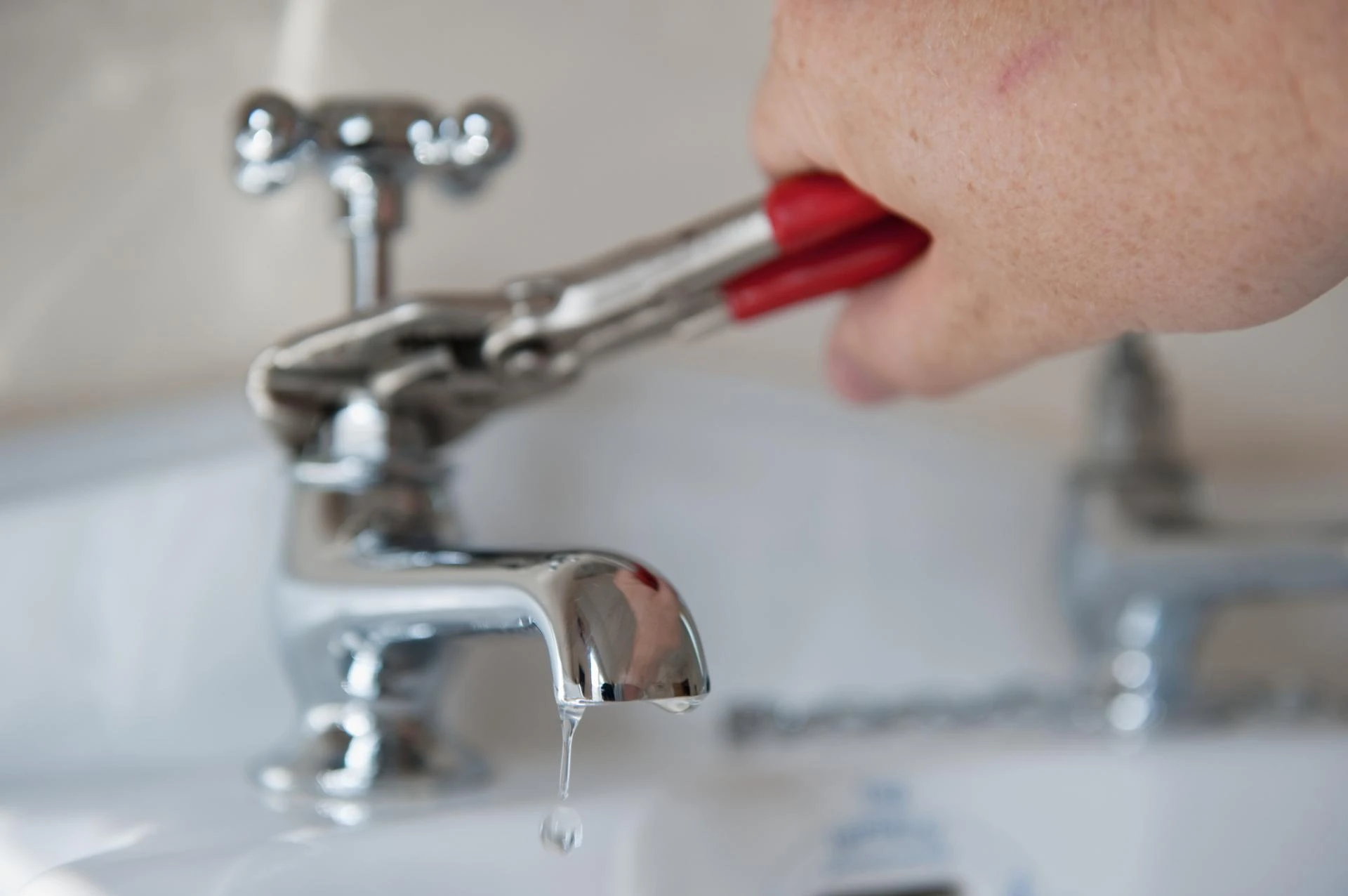
Faucets serve as vital fixtures in the kitchen, but their reliability can diminish over time due to wear and tear. Leaky faucets, often caused by worn-out washers or O-rings, can lead to water wastage and increased utility bills. To address this issue, start by turning off the water supply to the faucet. Disassemble the faucet carefully, inspecting components for damage. Replacing worn parts and ensuring proper reassembly can restore your faucet's functionality without the need for professional intervention.
Dealing with Drain Blockages: Prevention and Clearing
Clogged drains are a common nuisance in kitchens, resulting from the accumulation of food particles, grease, and debris. Preventive measures such as using drain guards can mitigate blockages, but when clogs occur, swift action is necessary. Employ plungers or plumbing snakes to dislodge obstructions, and consider eco-friendly enzymatic cleaners for stubborn buildup. Regular maintenance and mindful disposal practices can help prevent future drainage issues.
Navigating Kitchen Plumbing Challenges
When encountering intricate plumbing issues within your kitchen, seeking the expertise of a qualified kitchen plumber is crucial. These professionals possess the necessary skills and experience to diagnose and resolve plumbing dilemmas efficiently, ensuring seamless functionality throughout your home. Opting for the services of a reputable kitchen plumber in Fort Lauderdale affords you access to customised solutions tailored to address the specific challenges you may face. Whether it involves tackling leaks, clearing stubborn drain blockages, or seamlessly installing new fixtures, a dependable kitchen plumber is equipped to deliver reliable service, offering you the assurance and peace of mind that your kitchen plumbing needs are being handled competently.
Tackling Garbage Disposal Challenges: Troubleshooting and Maintenance
Garbage disposals play a pivotal role in managing kitchen waste, but they are prone to malfunctions such as jams and unusual noises. Safely addressing disposal issues involves manual rotation of blades to dislodge obstructions and avoiding disposal of fibrous or hard materials. Regular maintenance, including periodic cleaning and inspection, can prolong the lifespan of your garbage disposal and prevent costly repairs.
Addressing Pipe Concerns: Detection and Repair
Pipes form the backbone of your kitchen plumbing system, but leaks and corrosion can compromise their integrity. Vigilant inspection of pipes under sinks and behind appliances can help detect leaks early on. Tightly securing fittings and promptly replacing damaged pipes can prevent water damage and mould growth, safeguarding your kitchen infrastructure and preserving water resources.
Resolving Toilet Troubles: Diagnosis and Remediation
A malfunctioning toilet can disrupt daily routines and inflate water bills. Common issues such as running toilets often stem from faulty flappers or flush valves. DIY repairs may involve flapper replacement or adjustments to chain length and water level within the tank. Regular maintenance, including checks for leaks and silent leaks, can ensure efficient toilet operation and water conservation in your kitchen.
Eliminating Unpleasant Odours: Prevention and Treatment
Foul odours emanating from kitchen sinks can indicate bacterial buildup within drains. Preventive measures such as periodic cleaning with baking soda and vinegar can help eliminate odour-causing bacteria. Enzymatic drain cleaners offer an eco-friendly solution for breaking down organic matter and preventing future odour issues. By maintaining cleanliness and implementing odour-control strategies, you can ensure a fresh and hygienic kitchen environment for your household.
Conclusion
Proactively addressing common kitchen plumbing issues is essential for maintaining the functionality and comfort of your home. By understanding the root causes of these problems and implementing preventive measures and DIY solutions, you can minimise disruptions and avoid costly repairs. However, for complex plumbing issues beyond your expertise, seeking professional assistance ensures thorough resolution and peace of mind. With proactive maintenance and informed decision-making, you can keep your kitchen plumbing system in optimal condition, facilitating a seamless culinary experience for years to come.
For more informative articles like this visit this www.writeupcafe.com
Frequently Asked Questions
What are the common signs that indicate a plumbing issue in my kitchen?
Common indicators of kitchen plumbing problems include leaky faucets, slow-draining sinks, foul odours emanating from drains, low water pressure, and unusual noises coming from the garbage disposal.
How can I prevent kitchen plumbing problems from occurring?
Regular maintenance and preventive measures can help avoid kitchen plumbing issues. This includes avoiding putting grease and large food particles down the drain, using drain guards to catch debris, periodically cleaning faucet aerators and garbage disposals, and scheduling routine inspections by a professional plumber.
What should I do if I notice a leak under my kitchen sink?
If you detect a leak under your kitchen sink, it's essential to act promptly. Start by turning off the water supply to the affected area to prevent further damage. Then, assess the source of the leak and attempt to tighten any loose connections. If the leak persists, or if you're unsure about the cause, it's best to contact a licensed plumber for assistance.
How often should I have my kitchen plumbing inspected?
It's recommended to have your kitchen plumbing inspected at least once a year to catch any potential issues early on and prevent costly repairs down the line. However, if you notice any signs of trouble, such as leaks or drainage problems, don't hesitate to schedule an inspection promptly.
Can I attempt to fix plumbing issues in my kitchen myself?
While minor plumbing tasks like unclogging drains or replacing faucet washers can often be handled by homeowners, more complex issues should be left to professionals. Attempting DIY repairs without the necessary expertise can lead to further damage and costly repairs. It's best to consult with a qualified plumber for accurate diagnosis and effective solutions.
How can I find a reliable kitchen plumber in my area?
When searching for a reputable kitchen plumber, consider asking for recommendations from friends, family, or neighbours. Additionally, read online reviews and check for certifications and licences to ensure you're hiring a qualified professional. Requesting quotes from multiple plumbers can also help you compare prices and services before making a decision.



























Sign in to leave a comment.