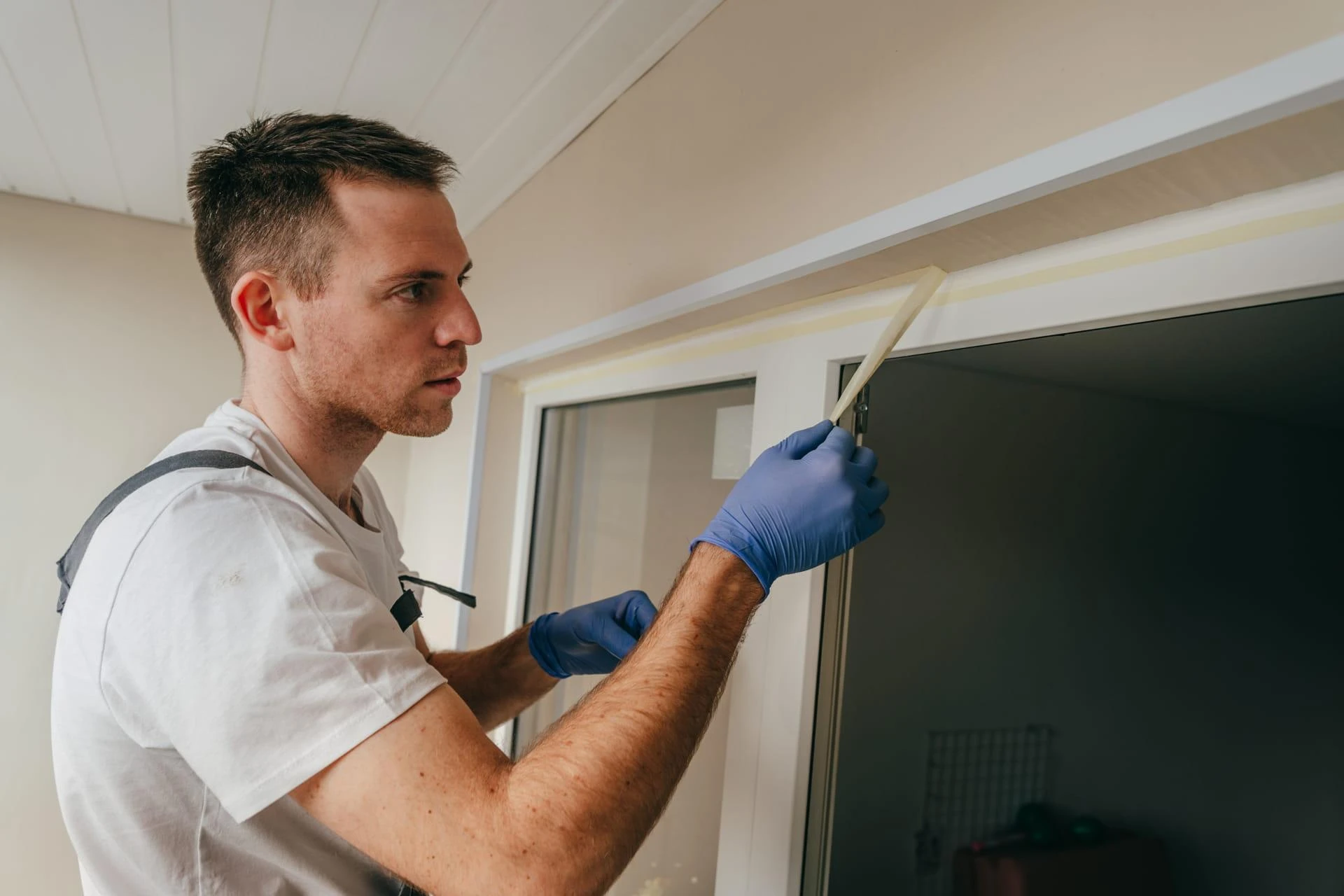

Many people planning a painting project wonder how long the job will take. While the question seems simple, professional painters base their timelines on several real-world variables. Wall condition, access, paint selection, and drying requirements all play a part in how long each step requires. Estimating time accurately depends on recognizing the physical and environmental demands before any work begins.
1. Room Dimensions and Architectural Details
Room size is just the starting point. What truly affects timing is how the space is shaped and what structural features are present. Areas with complex layouts or unique features typically require slower, more detailed work.
- Sloped ceilings or varying heights increase time needed for ladder repositioning
- Decorative trim, bay windows, and beam structures involve additional taping and cutting
- Tight corners or angled walls may need smaller tools and slower brush techniques
According to the U.S. Department of Energy, less ventilated spaces—common in older or more complex room designs—also extend the time needed between coats.
2. Surface Condition and Wall Readiness
Wall quality has a major influence on project speed. Fresh paint needs a smooth, stable base, and if that base is damaged or coated in unsuitable finishes, the timeline gets longer. Addressing these issues upfront prevents failure later.
- Flaking paint, rough patches, or peeling corners require scraping and sanding
- Smoke or grease buildup on walls must be cleaned before primer or paint can bond
- Moisture-damaged drywall must be dried, treated, and sealed before repainting
EPA guidance emphasizes that painting over mold or soft, damp areas can trap contaminants, shortening the life of the finished job and risking indoor air quality.
3. Drying and Curing Requirements Between Coats
Paint needs time to properly bond—not just dry to the touch. The space’s temperature, airflow, and humidity all impact how long painters must wait between applications. Ignoring these variables can lead to sagging, blistering, or streaked finishes.
- Water-based paints dry within 1–2 hours but may need up to 6 hours before recoating
- Oil-based paints typically need 8–12 hours to dry, even in moderate conditions
- Humid or unventilated spaces slow down the evaporation of solvents and water
Technical resources from paint manufacturers suggest using portable fans or ventilation systems to maintain airflow and reduce curing times, especially during colder seasons.
4. Number of Coats Necessary
Coverage depends on more than product claims. The wall’s original color, the chosen finish, and the paint’s formula all affect how many coats are needed. Color changes or textured surfaces often increase the total time.
- Moving from a dark shade to a light one usually requires at least two coats and a tinted primer
- Unsealed drywall or plaster can absorb paint unevenly, requiring multiple layers
- Switching from a glossy finish to matte demands sanding, priming, and more applications
Studies from industry groups show that bolder pigments, like deep blue or red, tend to require more coverage to reach even, lasting results.
5. Paint Type and Application Behavior
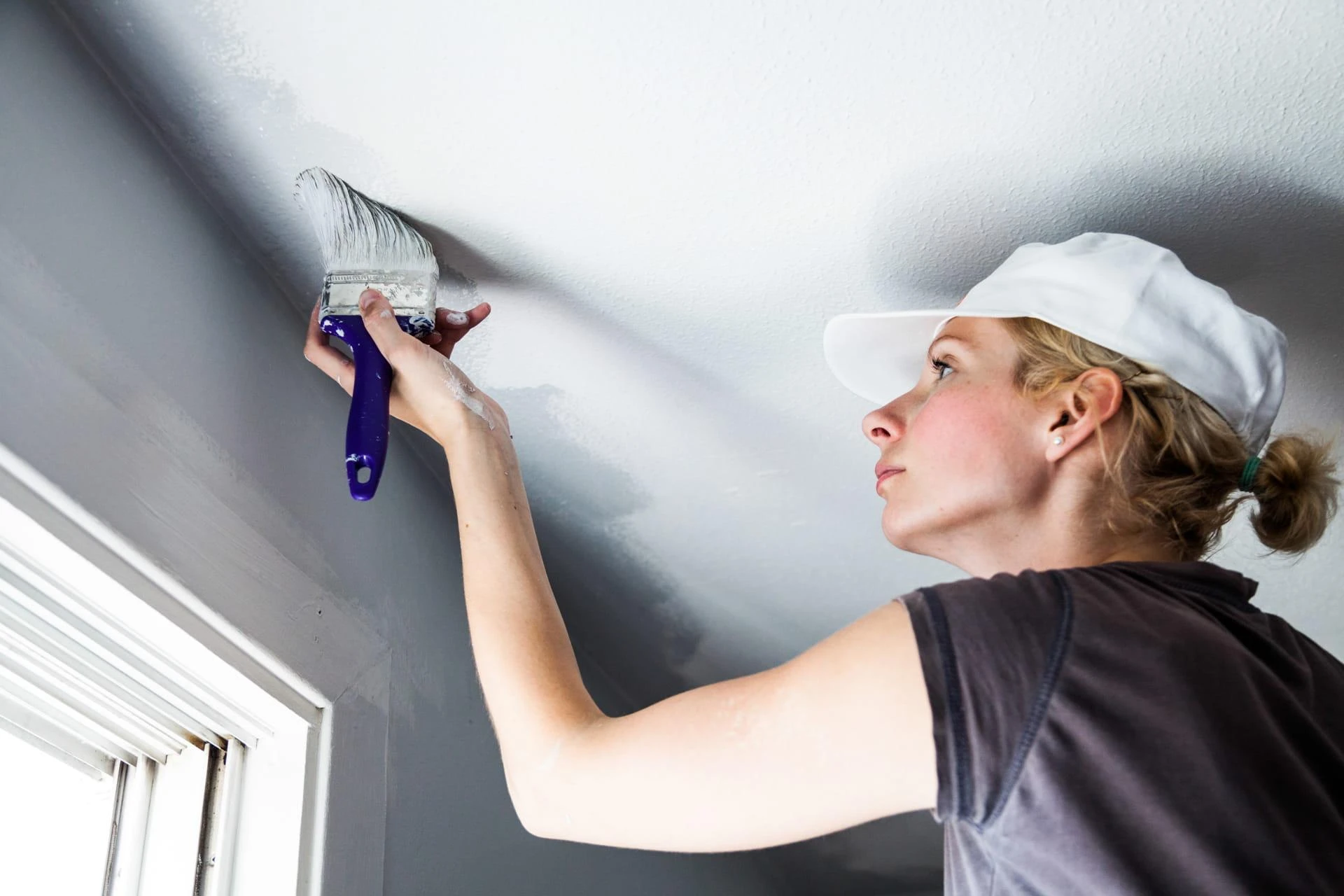
Each paint product behaves differently once it’s applied. Some offer quick drying, while others deliver tougher durability at the cost of extra curing time. Painters factor in these performance characteristics before building a schedule.
- High-build or textured paints slow down the application process due to thicker layers
- Low-VOC paints may dry slower in areas with poor ventilation
- Glossy or semi-gloss finishes show imperfections easily and need extra care during application
Third-party testing from Consumer Reports shows that many one-coat claims rely heavily on wall condition and color compatibility, meaning second coats are still often needed.
6. Accessibility and Workspace Setup
Worksites that are easy to access allow for faster progress. Tight or cluttered areas force painters to move cautiously, protect furniture, and set up more safety equipment—all of which stretch the overall timeline.
- Narrow rooms or hallways reduce mobility and increase ladder repositioning
- Large furniture or sensitive electronics must be carefully covered and worked around
- Poor lighting can slow down taping, cutting, and rolling precision
OSHA safety guidelines require painters to inspect and properly configure any scaffolding or elevated workspaces, which adds setup time, especially in commercial or tall residential areas.
7. Weather and Outdoor Conditions for Exterior Projects
Exterior painting depends heavily on weather. Temperature, wind, and moisture all influence how paint applies and dries. Even short bursts of poor weather can lead to rework or full rescheduling.
- Ideal outdoor painting conditions range from 60°F to 80°F with low wind
- Morning dew or overnight moisture can prevent paint from adhering properly
- Intense sun can dry paint too quickly, leading to cracking or uneven texture
Climate data from the National Weather Service indicates that spring and fall offer the most stable windows for exterior work in many U.S. regions, while summer storms and winter frost cause frequent delays.
Key Takeaways for 7 Practical Factors Painters Consider When Estimating Project Timeframes
Accurate time estimates come from evaluating more than just how big a room is. Professionals look at the layout, material condition, environment, and the tools required to deliver a lasting, clean result. Surface prep, airflow, and coat timing all contribute to the real pace of a job. A realistic timeline helps avoid rushed work, missed steps, or callbacks later on.
Key Takeaways for Understanding Time Estimates in Professional Painting
- Room layout and ceiling variations affect setup, access, and workflow speed
- Damaged or dirty surfaces require repair and cleaning before painting begins
- Proper drying between coats prevents long-term adhesion and finish issues
- Paint types and surface colors influence how many coats are truly necessary
- Outdoor work is strongly affected by temperature, moisture, and sunlight exposure
Frequently Asked Questions
How long does it usually take to paint one standard room?
For a 12x12 room in good condition, painters typically take 1 to 2 days including prep, drying, and final touch-ups.
Do more expensive paints reduce project time?
Sometimes. Higher-end paints may offer better coverage or faster dry times, but they still require proper application and may not shorten the total project if surfaces are rough or damaged.
Can painters work around weather delays for outdoor jobs?
In many cases, yes. They may prep surfaces or focus on shaded areas during unsuitable weather, but application must wait for proper conditions.
Is priming always necessary?
Not always, but it’s often recommended when changing color drastically, painting bare material, or improving adhesion on glossy or patched areas.
What adds the most time to a paint job?
Unexpected wall repairs, unsealed surfaces, or slow drying due to humidity usually add the most hours or days to a project.




























Sign in to leave a comment.