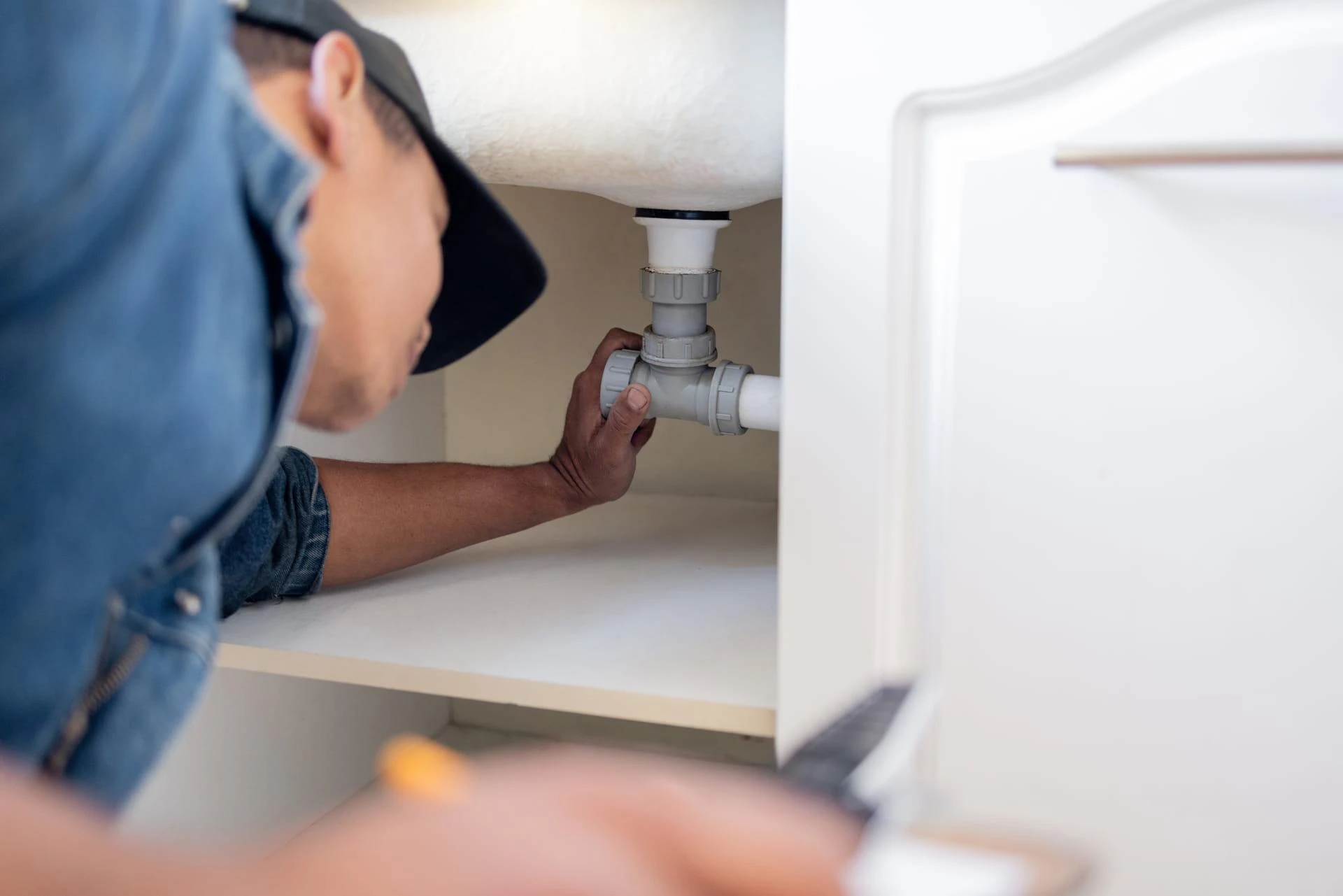

Homeowners often feel irritated when faucets slow down or showers lose strength because steady water flow affects daily comfort. Experts in the plumbing field often explain that low water pressure usually hints at more than a minor irritation, encouraging early awareness. This breakdown explores common sources behind pressure changes and how professional plumbers address them so households understand what happens within their pipes.
1 Clogged Aerators Water Flow Issues
Small screens at the end of faucets collect mineral build-up and debris over time which reduces flow without warning. Homeowners often notice just one sluggish fixture while other sinks work fine, confirming that this issue is isolated. Plumbers clean or replace aerators after ruling out deeper internal problems. Regions with harder water experience this quicker, which is supported by water research.
• Aerator cleaning removes trapped sediment
• Replacement improves pressure consistency
• Hard water makes clogging happen faster
2 Mineral Buildup in Pipes Hard Water Blockages
Pipes slowly develop mineral scale along inner walls which narrows the pathway for water movement. Many older homes face this unseen problem where water trickles instead of moving freely. Licensed plumbers flush lines, descale pipe interiors, or recommend repiping when buildup is advanced. Homes in water regions with higher mineral content are far more prone to this condition.
• Scaling restricts pipe diameter
• Professional descaling improves flow
• Heavy buildup sometimes requires pipe replacement
3 Hidden Plumbing Leaks Leak Detection Services
Leaks behind drywall or under slab foundations waste water while causing low water pressure, which is why homeowners notice weak flow before visible damage. Supply line leaks often sit undetected until pressure loss becomes obvious. Plumbers rely on moisture meters, isolation testing, and camera tools to locate leaks and repair failing sections. Government data shows millions of homes lose unseen water through these small failures.
• Unseen leaks often reduce system pressure
• Diagnostics prevent unnecessary demolition
• Pipe repairs typically resolve the imbalance
4 Faulty Pressure Regulators Pressure Adjustment Help
Pressure regulators maintain balanced incoming water flow so when they malfunction, the entire system feels sluggish. Many homeowners misinterpret this as a city supply failure, but faulty regulators are often the culprit. Technicians measure static pressure, adjust settings, or install new regulators. These parts wear down slowly and often go unnoticed until symptoms worsen.
• Regulators stabilize incoming water force
• Testing identifies failing components
• Replacement restores household balance
5 Municipal Supply Problems City Pressure Troubleshooting
Some homes experience pressure drops caused by work occurring beyond their property, including line flushing or valve servicing. These events make faucets seem weak even when indoor plumbing is perfectly fine. A licensed plumber verifies household issues first and then confirms whether supply problems originate from utility maintenance. Municipal departments frequently list notice periods for expected fluctuations.
• City maintenance sometimes affects home water flow
• Internal checks confirm whether the home is impacted
• Most temporary dips resolve without repair
6 Corroded Plumbing Lines Pipe Replacement Solutions
Aging metal pipes corrode internally, weakening structure and shrinking flow paths. One local example involved nearly stagnant water until deteriorated galvanized supply lines were replaced which instantly improved pressure. Technicians inspect visible pipe sections, perform pressure evaluations, and recommend partial or full repiping when systems reach end-of-life. Homes from earlier decades encounter this more frequently than newer builds.
• Corrosion collapses pipe openings
• Replacement is the lasting fix
• Modern pipe materials resist internal decay
7 Water Heater Issues Hot Water Pressure Repair
Sediment accumulates inside water heaters and restricts valves which reduce hot water flow separately from cold lines. Families often notice uneven shower pressure while other fixtures seem normal, pointing to a heater-related cause. Plumbers flush tanks, inspect mixing valves, remove blockage, and reset pressure functionality. Sediment buildup also forces heaters to work harder which wastes energy.
• Sediment limits hot water movement
• Valve balancing restores pressure consistency
• Flushing tanks prevents repeat blockages
How Plumbers Restore Water Pressure
Professionals assess beyond obvious symptoms and uncover root causes whether leaks, buildup, regulator malfunction, or heater issues. Their training allows them to diagnose subtle failures homeowners cannot view. Restoring pressure ranges from simple aerator cleaning to complex repiping, proving that plumbing requires methodical evaluation. Families enjoy steady shower flow and fixture performance once balance returns.
• Diagnostic equipment identifies real causes
• Repairs match the severity of the problem
• Testing ensures pressure remains consistent
Water Pressure Maintenance Tips
Low water pressure often signals hidden changes occurring inside plumbing networks rather than a simple nuisance. Field experts mention that “most pressure problems begin quietly before they are noticed,” encouraging homeowners to observe gradual shifts. Each cause has a specialized fix which shows how varied plumbing systems are. Awareness, periodic inspection, and timely repair keep issues manageable.
• Low pressure has multiple possible sources
• Scheduled maintenance protects pipe longevity
• Professional diagnostics save time and money

Key Takeaways Low Water Pressure Causes and Fixes
Low water pressure develops for multiple reasons including clogged fixtures, mineral scaling, invisible leaks, regulator failure, heater sediment, and supply disruption. Licensed plumbers encounter these cases often and highlight that weak water flow rarely improves without intervention. Fixes range from simple cleaning to replacing failing components, depending on severity. Understanding these causes helps homeowners respond sooner rather than waiting for expensive complications.
• Poor flow links to pipe size or buildup
• Trained plumbers diagnose hidden failures
• Repairs frequently improve pressure quickly
• Water heater sediment commonly affects hot water levels
• Regulator problems are easy to overlook































Sign in to leave a comment.