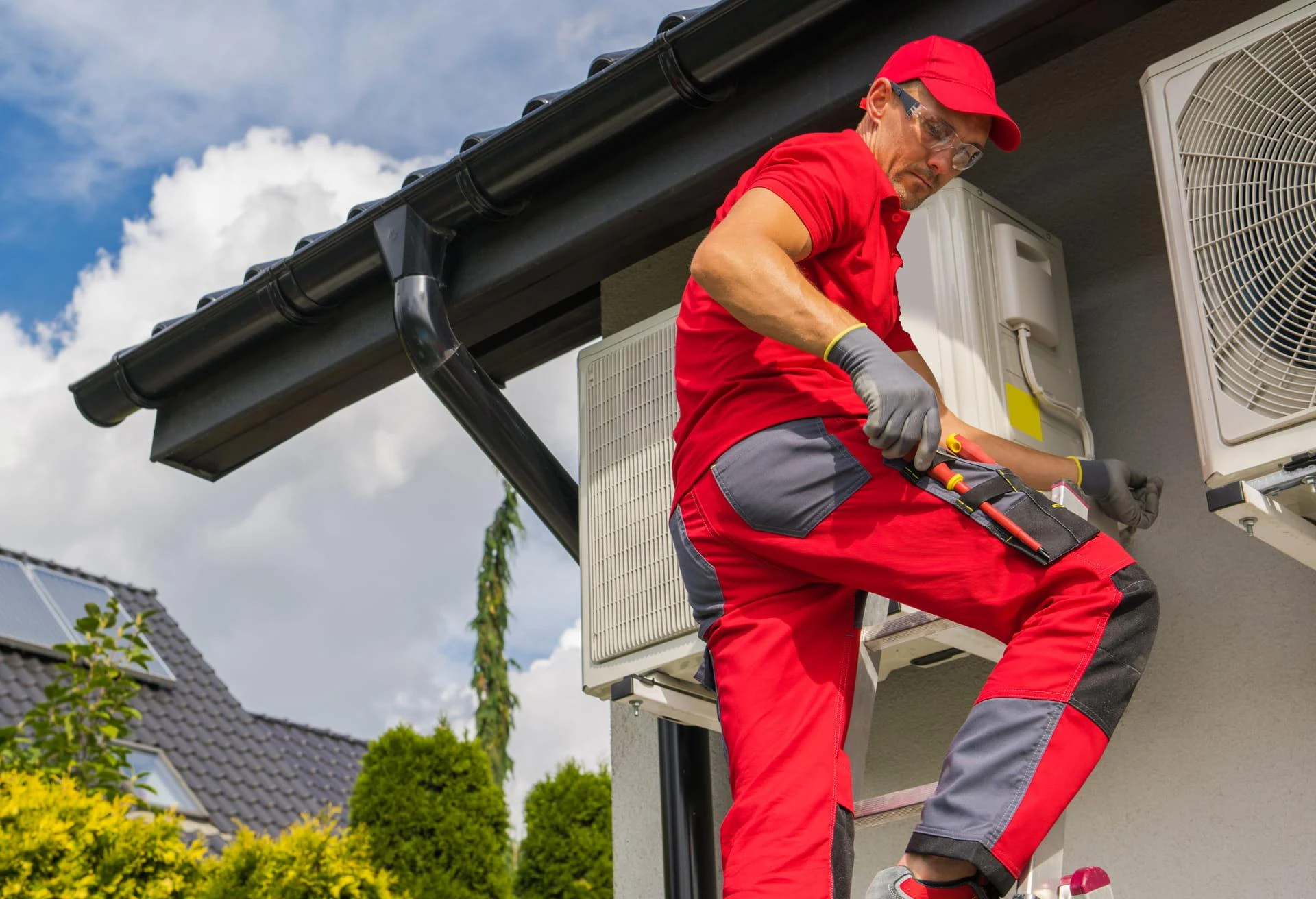

Cool air feels essential when temperatures rise, yet many homeowners find their air conditioners suddenly losing their strength. Weak airflow, inconsistent cooling, or warm air from vents can signal multiple underlying issues. Understanding what causes these changes can save both money and frustration. Experienced HVAC professionals often explain that most AC systems don’t fail overnight, they gradually lose efficiency due to small but preventable issues. This guide breaks down the seven most common reasons an air conditioner stops cooling effectively and AC repair services to restore steady performance.
1. Dusty Air Filters Limiting Airflow
A dusty air filter can quietly cripple your cooling system. When airflow becomes restricted, the unit struggles to move enough air through the coils, forcing it to work harder and run longer. The result is higher utility costs, reduced comfort, and potential damage to the blower motor. According to the U.S. Department of Energy, replacing dirty filters can reduce energy consumption by up to 15%.
- Replace disposable filters every 1 to 3 months depending on indoor conditions.
- Select filters with the correct size and efficiency rating for your system.
- Keep vents and returns unobstructed for balanced air circulation.
Clean filters not only protect internal components but also improve indoor air quality. The small task of changing filters regularly pays off with fewer repairs and better airflow.
2. Low Refrigerant Levels Weakening Cooling Power
Refrigerant plays the central role in moving heat out of your living space. When levels drop, usually due to small leaks, the system’s ability to cool air decreases sharply. The air conditioner might blow lukewarm air even while running continuously. The Environmental Protection Agency (EPA) requires certified technicians to handle refrigerants to prevent environmental harm and equipment damage.
- Look for symptoms such as hissing noises or ice forming on coils.
- Have a professional locate and repair leaks before recharging refrigerant.
- Avoid temporary fixes, recharging without repairing the source of loss wastes money.
A properly charged system delivers quick, efficient cooling while reducing the load on the compressor. Maintaining correct refrigerant levels protects both comfort and system longevity.
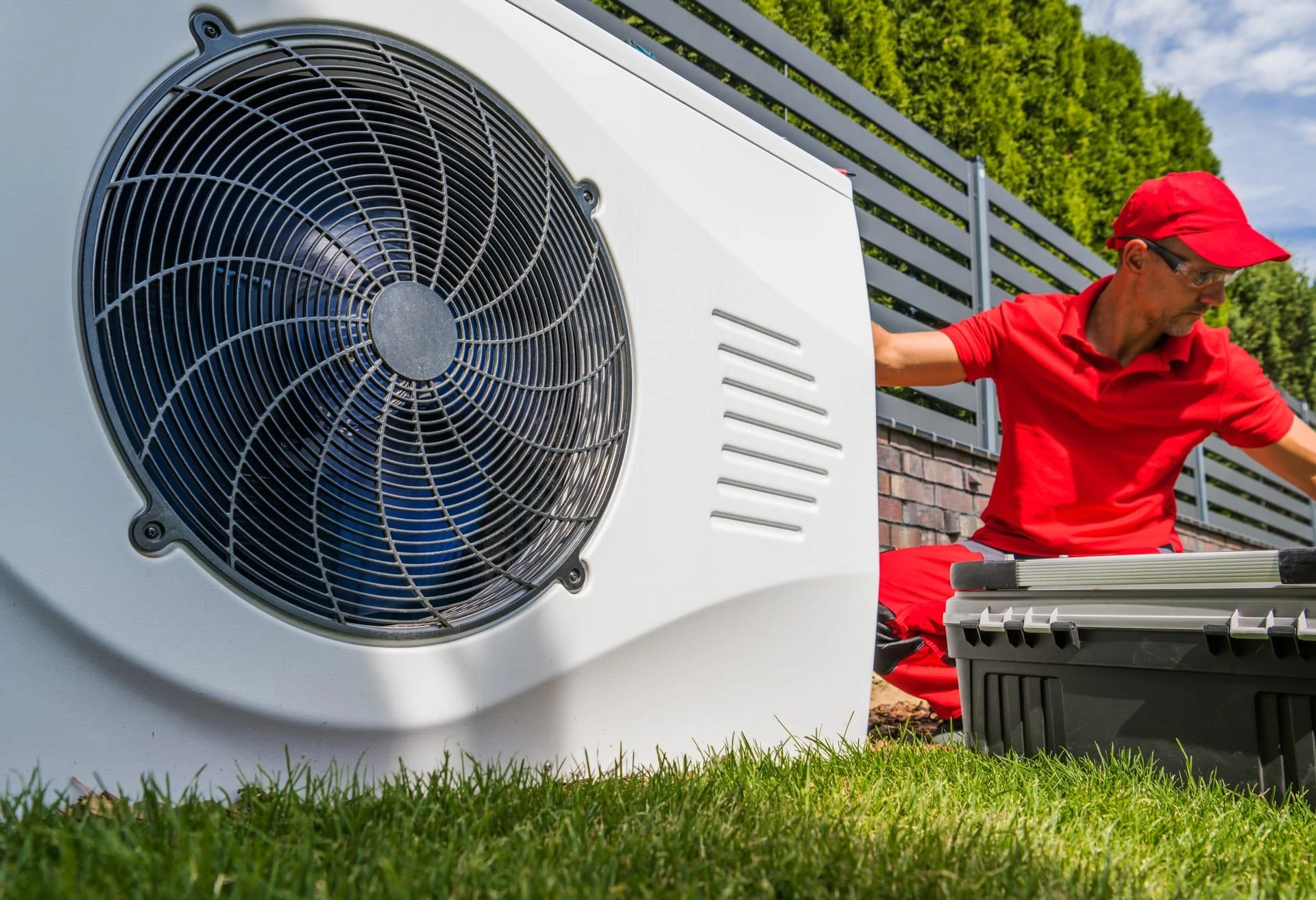
3. Outdoor Condenser Blocked with Dirt and Debris
The outdoor condenser unit is responsible for releasing heat removed from indoor air. When dirt, leaves, or tall grass surround it, that heat becomes trapped, forcing the unit to run hotter and longer. Even a thin layer of grime can reduce heat transfer efficiency by more than 10%. The U.S. Department of Energy recommends maintaining at least two feet of clearance around the condenser.
- Clear weeds, mulch, and leaves from around the outdoor unit.
- Rinse coil fins with low-pressure water to remove dust.
- Keep patio furniture or decorative screens away from the condenser.
A clean condenser ensures smoother operation and less strain on components. Proper maintenance outside the home often determines how well the system performs inside.
4. Frozen Evaporator Coils Stopping Airflow
Frozen evaporator coils prevent air from moving through the system and disrupt the cooling cycle. When coils ice over, the unit may blow warm air or stop working altogether. The root causes often include clogged filters, low refrigerant, or restricted airflow. The Department of Energy warns that poor air movement across evaporator coils is one of the top causes of home energy waste.
- Turn off the system and let the ice melt completely.
- Replace or clean filters to ensure unobstructed airflow.
- Schedule professional service to check refrigerant levels and fan speed.
Preventing frozen coils keeps the cooling process efficient and avoids secondary damage. Quick attention to this issue often restores comfort within hours.
5. Faulty Thermostat Disrupting Temperature Control
An inaccurate thermostat can easily cause an air conditioner to misjudge indoor temperature. When sensors fail or batteries die, the system cycles on and off irregularly, resulting in uneven cooling. A simple recalibration or battery replacement can often resolve these problems. Energy.gov recommends maintaining thermostat settings between 75°F and 78°F to balance comfort and efficiency.
- Check and replace thermostat batteries twice a year.
- Ensure sensors aren’t placed near windows, lamps, or heat sources.
- Upgrade to programmable or smart thermostats for improved accuracy.
Thermostat precision plays a bigger role in energy efficiency than most homeowners realize. When properly set and maintained, it keeps temperatures consistent while lowering energy usage.
6. Leaky Air Ducts Wasting Conditioned Air
Leaky ducts can cause a dramatic drop in cooling performance because conditioned air escapes before it reaches the rooms where it’s needed. These leaks also allow dust and insulation fibers to enter the system, affecting air quality. The U.S. Department of Energy estimates that 20–30% of the air moving through ductwork can be lost due to leaks, holes, or poorly connected sections.
- Inspect ducts in attics and crawl spaces for gaps or torn insulation.
- Seal connections using mastic or foil-backed tape instead of regular duct tape.
- Add insulation around ducts in unconditioned areas to reduce temperature loss.
Sealed and insulated ducts keep cool air where it belongs, inside the living space. The improvement in both comfort and efficiency can be immediate and measurable.
7. Aging or Undersized AC System Losing Strength
Air conditioners lose efficiency naturally as they age, especially beyond the 15-year mark. An older or undersized A/C system can’t keep up with today’s insulation standards or cooling demands. When the compressor or coils begin to wear out, even frequent maintenance may not restore full performance. ENERGY STAR studies show that replacing outdated systems with high-efficiency models can lower cooling expenses by 20% or more.
- Compare your system’s cooling capacity with your home’s square footage.
- Upgrade to modern units featuring SEER ratings above 16 for optimal efficiency.
- Schedule professional maintenance annually to prolong remaining service life.
An appropriately sized and up-to-date system ensures reliable comfort and reduced energy costs. Replacement may feel like a big step, but it often results in immediate improvements.
Detailed Insight into Cooling Inefficiency
Most air conditioning problems stem from a combination of minor issues rather than one major failure. A dirty filter can trigger coil freezing, while low refrigerant may cause compressor strain. Regular inspections prevent these small faults from escalating into costly breakdowns. The U.S. Energy Information Administration reports that air conditioning accounts for roughly 12% of household electricity use nationwide, highlighting how much potential savings come from efficiency improvements.
Preventive maintenance reduces both energy waste and unexpected repair bills. Homeowners who respond early to performance changes preserve comfort and extend the lifespan of their cooling equipment.
Key Takeaways Why AC Systems Lose Cooling Efficiency
- Dirty filters and poor airflow are the leading causes of cooling decline.
- Refrigerant leaks should be fixed promptly to avoid long-term system damage.
- Outdoor condensers must stay clear of debris for proper ventilation.
- Thermostat calibration plays a crucial role in steady temperature regulation.
- Duct sealing and modern replacements significantly improve performance and energy savings.
Recognizing these issues early keeps your home comfortable and prevents costly breakdowns. Proactive maintenance turns small adjustments into lasting results.
Frequently Asked Questions
Why does my air conditioner run constantly but not cool effectively?
Low refrigerant, poor airflow, or duct leaks can cause constant cycling without proper cooling. Professional inspection identifies the root cause quickly.
Can I clean the outdoor condenser myself?
Yes, light cleaning is safe if you use low-pressure water and keep the power disconnected. Avoid bending coil fins or spraying water inside electrical panels.
How often should I replace an air conditioner filter?
Change it every 30–90 days depending on usage, pets, and indoor air quality. Frequent changes improve airflow and reduce energy use.
What are signs that my thermostat isn’t accurate?
Uneven temperatures, frequent short cycling, or unresponsive cooling signals may point to faulty sensors or low battery power.
Is upgrading an old system worth the cost?
Yes, modern high-efficiency models use less power and offer quieter, more consistent cooling. The investment often pays off through lower monthly energy bills.


























Sign in to leave a comment.