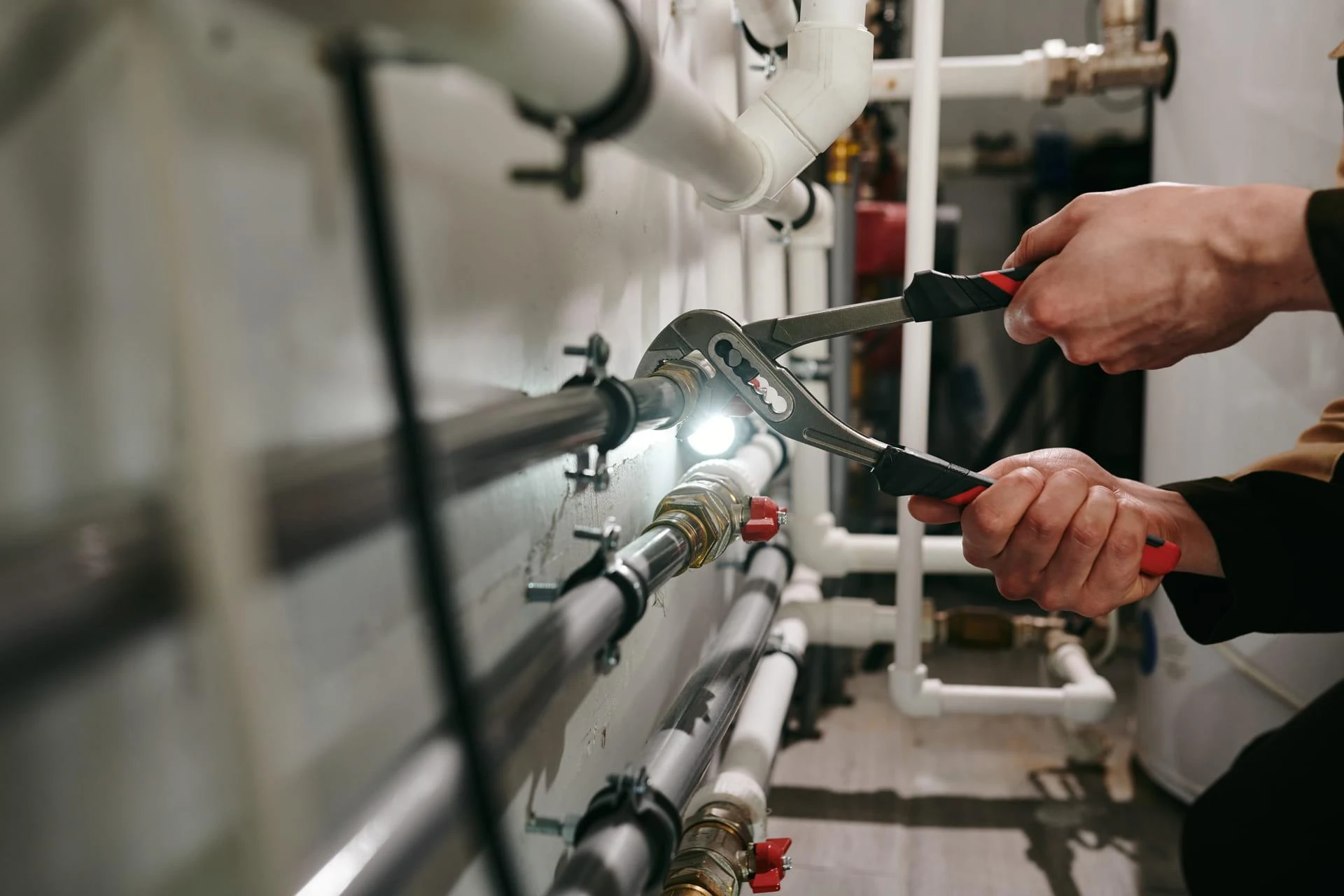

Homes rely on steady, reliable water flow, and when hidden leaks interfere with that balance, the damage often spreads far quicker than most people expect. Early warning clues tend to blend into everyday routines, which is why understanding key signs your home needs a plumbing company for leak detection becomes essential for long-term protection. DiMarco Plumbing explains that “hidden leaks rarely stay small for long, because water follows paths that allow damage to spread before homeowners see surface evidence.”
1. Unexplained Water Bills Leak Detection
Sudden and unusual increases in a water bill often catch homeowners by surprise because leaks rarely show themselves immediately. One example involves a homeowner who noticed their bill spike nearly overnight and eventually discovered a damaged supply line buried beneath the yard. These unexpected charges frequently point to issues in irrigation lines, older pipes, or silent-running toilets that waste water continuously. Higher usage without lifestyle changes almost always signals water escaping somewhere unseen.
- Running toilets can waste hundreds of gallons per day according to the U.S. Geological Survey.
- Irrigation leaks typically remain unnoticed until water usage becomes excessive.
- Older homes with galvanized pipes often experience hidden cracking.
2. Visible Wall Moisture Home Leak Signs
Walls showing soft areas, discoloration, or bubbling paint usually indicate moisture building behind the surface. These early symptoms often appear in kitchens, bathrooms, or utility rooms where plumbing lines run inside the walls. Moisture rarely forms without a source, making these signs important indicators of internal leaks. Homeowners who respond quickly often avoid costly structural repairs and mold contamination.
- Stains commonly reveal supply or drain line leaks.
- Bubbling paint forms when moisture pushes against the drywall.
- Damp surfaces can foster mold growth rapidly.
3. Low Water Pressure Plumbing Leak Check
Unexpected drops in water pressure often signal a leak beginning somewhere inside the plumbing system. Faucets may dribble, showers may feel weaker, or pressure may vary between rooms in unpredictable ways. Low water pressure tends to worsen as leaks expand or corroded joints deteriorate further. Reliable water pressure should stay steady, making sudden declines a meaningful warning sign.
- Corroded pipes frequently reduce system pressure.
- Leaky faucets waste nearly 3,000 gallons yearly according to the EPA.
- Pressure fluctuations often precede major plumbing failures.
4. Floor Warmth Slab Leak Warning
Warm flooring in areas that should feel cool usually points toward a hot water line leaking beneath the slab. These leaks spread slowly but cause significant foundation issues over time, increasing repair needs and heating costs. Many homeowners dismiss warm spots until they grow more noticeable and begin affecting flooring materials. Early detection helps reduce damage and avoid invasive repairs.
- Slab leaks weaken concrete gradually.
- Hot water escaping underground increases energy expenses.
- Thermal scan tools reveal abnormal temperature zones.
5. Mildew Odors Hidden Leak Clues
Musty, lingering odors in closets, hallways, or bathrooms often occur when moisture builds in concealed spaces. Mold develops quickly in damp areas and usually produces a distinctive smell long before visible patches appear. These odors should never be ignored because they typically signal a long-lasting leak. Acting promptly prevents mold from spreading through flooring, walls, or insulation.
- Mold begins forming within 24–48 hours according to FEMA.
- Moisture behind walls supports rapid mold growth.
- Airborne mold spores circulate through central air systems.
6. Running Meter Water Leak Inspection
A moving water meter when every fixture is shut off provides one of the clearest signs of a hidden leak. Many homeowners are surprised by how easily the meter test reveals water loss that leaves no visible evidence. Slight meter movement often indicates slow underground or in-wall leaks. This simple check helps uncover issues before they worsen.
- Meter tests expose leaks between the home and main connection.
- Small leaks still shift meter readings noticeably.
- Pressure testing helps pinpoint the leak’s location.
7. Ceiling Stains Indoor Leak Detection
Ceiling discoloration, dark rings, or sagging areas are strong signs of leaks coming from above. Bathrooms, laundry rooms, and second-floor plumbing often cause water to seep through insulation and drywall over long periods. Early detection prevents severe damage to flooring, electrical systems, and support beams. Ceiling stains nearly always mean a leak is present.
- Bathroom drains commonly lead to ceiling damage.
- Wet insulation loses its effectiveness quickly.
- Prolonged leakage may weaken wood framing.
8. Foundation Cracks Plumbing Leak Damage
Cracks spreading along a home’s foundation sometimes reflect underground plumbing leaks shifting the soil. Water softens or washes away soil, placing uneven pressure on the foundation and creating fractures. These cracks rarely appear suddenly and typically widen gradually as moisture continues affecting the structure. Recognizing this early keeps structural damage from escalating.
- Soil erosion from leaks destabilizes foundations.
- Moisture saturation stresses concrete slabs.
- Perimeter moisture readings identify hidden exterior leaks.
9. Sounds of Dripping Plumbing Leak Source
Dripping, hissing, or running noises behind walls often indicate active leaks long before water becomes visible. These sounds tend to be easier to notice at night when the house is quiet. Acoustic tools used by professionals help identify the exact location without unnecessary wall removal. Paying attention to unusual sounds prevents extensive internal water damage.
- Dripping noises often reveal continuous water loss.
- Acoustic detection pinpoints concealed leaks accurately.
- Vibrations from damaged pipes create identifiable patterns.
10. Spike in Humidity Water Leak Assessment
Homes that feel more humid than usual, even when weather conditions haven’t changed, often have hidden moisture from a small leak. Elevated indoor humidity leads to condensation, mold growth, and uncomfortable temperatures. Digital humidity meters often expose these changes before stains or odors emerge. Consistently high indoor humidity suggests leaks behind walls, under floors, or in crawl spaces.
- Increased humidity raises cooling costs.
- Damp air encourages dust mite activity according to the CDC.
- Thermal scans identify moisture not visible to the eye.
Why Leak Detection Matters
Homeowners who recognize these warning signs are far better equipped to protect their homes from progressive moisture damage. Each symptom reflects the way water behaves when it escapes through weakened joints, aging pipes, or cracked plumbing lines, and ignoring these signs allows small problems to grow quickly. Early detection reduces repair expenses, preserves structural integrity, and helps maintain a comfortable indoor environment. Responding to subtle changes ensures plumbing systems stay dependable for years.
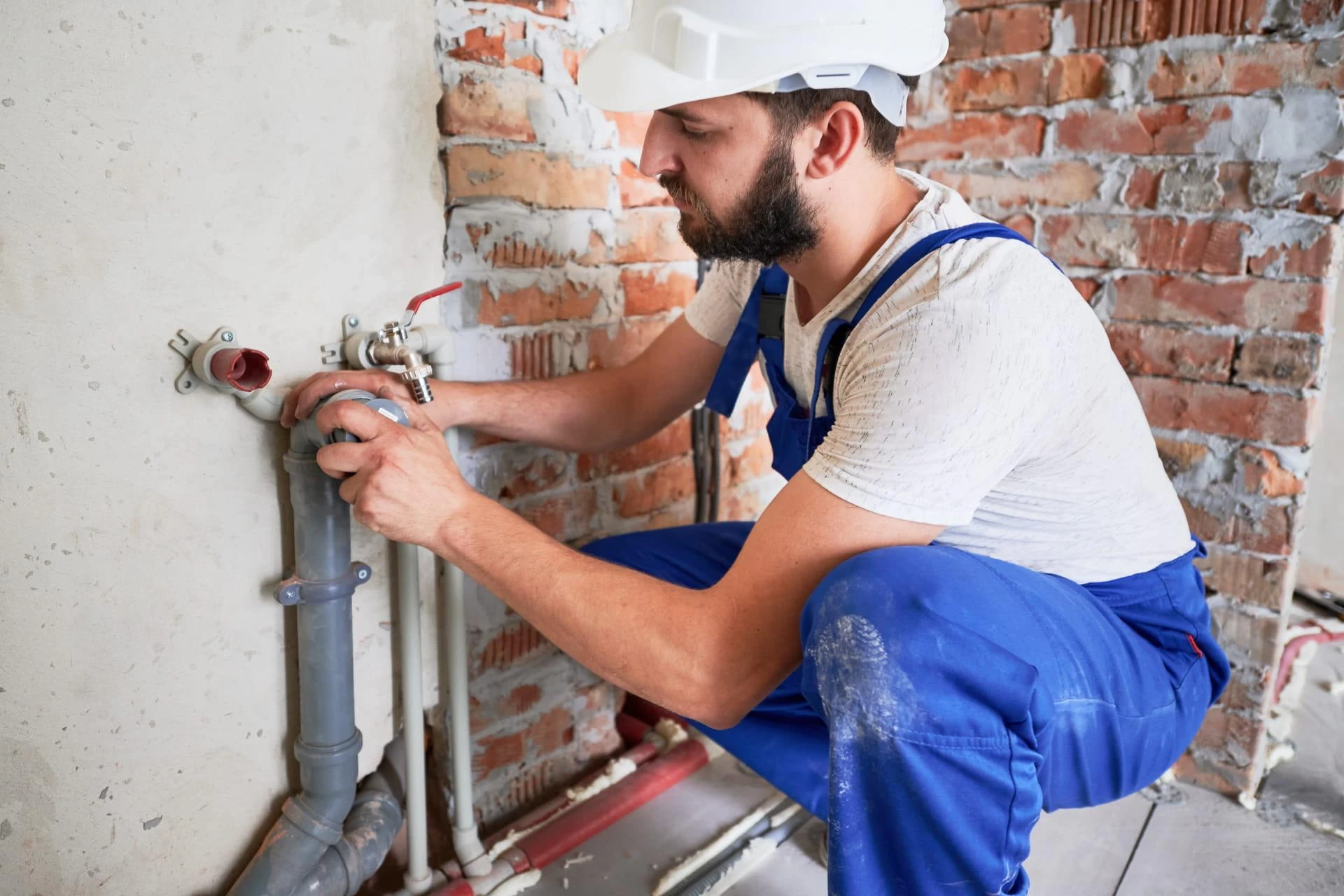
Key Takeaways for Leak Detection Signs
- Early identification prevents costly structural damage.
- Small leaks waste thousands of gallons of water yearly.
- Moisture, odors, stains, and pressure changes signal hidden issues.
- Professional equipment detects leaks beneath slabs and behind walls.
- Quick action limits long-term repair needs.































Sign in to leave a comment.