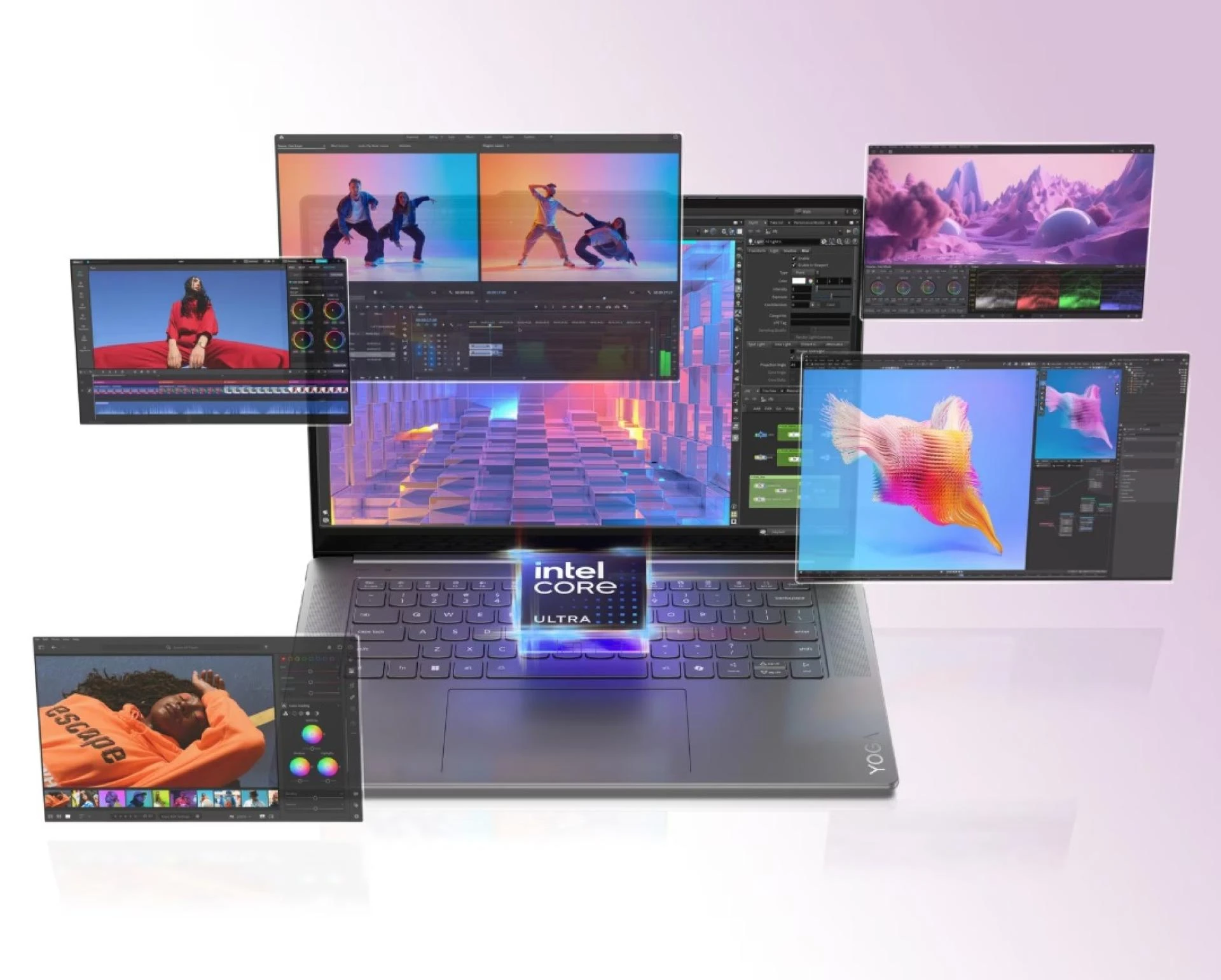

The computing world stands at a pivotal moment. Traditional computers have always maintained a clear separation between hardware and software components. You probably know this distinction well from your everyday tech use. Hardware represents the physical parts you can touch, while software consists of the programs that run on those parts.
AI computers are now challenging this age-old division in remarkable ways. These smart devices blur the distinction between physical parts and digital commands. They build a cohesive ecosystem in which the hardware and the software act together as a single and smooth entity.
This shift represents more than just incremental progress. It marks a fundamental reimagining of how computers operate and deliver results to users worldwide.
1. Dynamic Hardware Reconfiguration Based on Software Demands
AI computer now adjust their physical architecture in real time based on software requirements. This capability was once considered impossible in traditional computing systems. An AI Aura computers can now dynamically reallocate compute units, memory bandwidth, and accelerator resources to match the exact needs of the running workload.
Note: Aura is a series of AI PCs
Adaptive Processing Power Allocation
The system monitors running applications continuously. When you launch a demanding program, the AI computer instantly reconfigures its processing units. It allocates more cores to tasks that need heavy computation. Less intensive processes receive fewer resources automatically.
Benefits include:
- Reduced energy waste during light tasks.
- Maximum performance when you need it most.
- Extended battery life for portable devices.
- Optimal resource distribution across multiple programs.
2. Neural Processing Units Replace Traditional CPU Architecture
AI computers integrate neural processing units directly into their core design. NPUs differ fundamentally from standard processors. They excel at parallel processing and pattern recognition tasks. Your AI computer uses these units for:
- Real-time language translation.
- Image and video enhancement.
- Predictive text and autocomplete functions.
The boundary between specialized hardware and general software dissolves completely. Applications tap into neural processing power as easily as they access regular CPU resources. This integration creates a computing experience that feels more intuitive and responsive than ever before.
3. Memory Systems That Learn and Predict Usage Patterns
Smart memory management represents another breakthrough in AI computing technology. The system studies your behavior and anticipates your needs before you express them.
Intelligent Data Prefetching
Your AI Aura computer tracks which applications and files you access regularly. It loads these resources into fast memory before you even click on them. The result feels almost magical in daily use.
The memory system makes decisions based on:
- Time of day patterns in your workflow.
- Frequency of file and application access.
- Seasonal variations in your computing habits.
- Project-based resource requirements.
This predictive capability eliminates the traditional separation between storage hardware and memory management software. Everything works together as a unified intelligence that serves your specific needs.
As we move towards the fully optimized era of Artificial Intelligence, AI computers will be a new standard of computing. In fact, as per a report, AI PCs will account for more than 55% of the total PC share in 2026.
4. Self-Optimizing Cooling Systems Driven by AI Algorithms
Thermal management has always challenged computer designers. AI Aura computers solve this problem through intelligent cooling systems that adapt constantly.
The cooling hardware receives instructions from AI software millions of times per second. Fans speed up or slow down based on precise predictions about heat generation. Liquid cooling systems adjust flow rates to match processing intensity.
Key advantages include:
- Quieter operation during routine tasks
- Prevention of thermal throttling
- Longer component lifespan
- Reduced energy consumption
Your computer stays cool without the constant fan noise that plagues traditional systems. The AI predicts temperature spikes before they occur and takes preventive action automatically.
5. Programmable Circuit Pathways That Evolve With Tasks
Field-programmable gate arrays once served niche applications only. AI computers now incorporate this technology into mainstream computing architectures.
The physical circuits in your AI computer can rewire themselves based on the software you run. Video editing might trigger one circuit configuration while data analysis activates a completely different pathway. This flexibility was unthinkable in earlier computer generations.
Applications optimize themselves by:
- Creating custom hardware accelerators on demand.
- Reducing latency for time-critical operations.
- Maximizing throughput for bulk processing tasks.
The line between permanent hardware and temporary software configurations becomes meaningless. Your computer physically transforms itself to match your current workload perfectly.
6. Energy Distribution Networks Controlled by Machine Learning
Power management reaches new sophistication levels in AI computers. Machine learning algorithms control how electricity flows through every component.
The system learns your usage patterns over weeks and months. It knows when you typically perform intensive tasks and when you browse casually. Power delivery adjusts accordingly to maximize efficiency.
Smart energy distribution provides:
- Up to 40% better battery efficiency.
- Reduced heat generation during peak loads.
- Lower electricity costs for desktop systems.
- Extended hardware component longevity.
Traditional computers waste significant energy through poor power allocation. AI computers eliminate this waste through constant learning and adaptation to your specific behavior patterns.
Read Also: 7 AI-Powered PC Trends That Will Shape Computing in 2026
7. Unified Development Environments That Compile to Hardware
Software developers now write code that compiles directly into hardware instructions. This eliminates multiple translation layers that slow down traditional computing.
The AI computer understands developer intent at a fundamental level. It can optimize code by actually modifying circuit behavior rather than just adjusting software execution. This creates performance improvements that were previously impossible to achieve.
Development benefits include:
- Faster application execution speeds.
- Reduced memory footprint.
- Better debugging capabilities.
- Hardware-level security implementations.
Programmers gain direct access to hardware optimization without needing electrical engineering degrees. The AI handles the complex translation between high-level code and physical circuit configurations automatically.
Conclusion
AI computers fundamentally reshape the relationship between hardware and software components. The seven boundaries discussed here represent just the beginning of this transformation.
These intelligent systems learn from your behavior and optimize themselves continuously. The distinction between physical components and digital programs fades into irrelevance. What matters now is the unified experience these AI computers deliver. They work harder when you need power and rest when you need efficiency.
The future of computing has arrived, and it refuses to recognize the old boundaries that once defined our digital tools. Your next computer will likely incorporate several of these innovations as standard features rather than premium additions.

























Sign in to leave a comment.